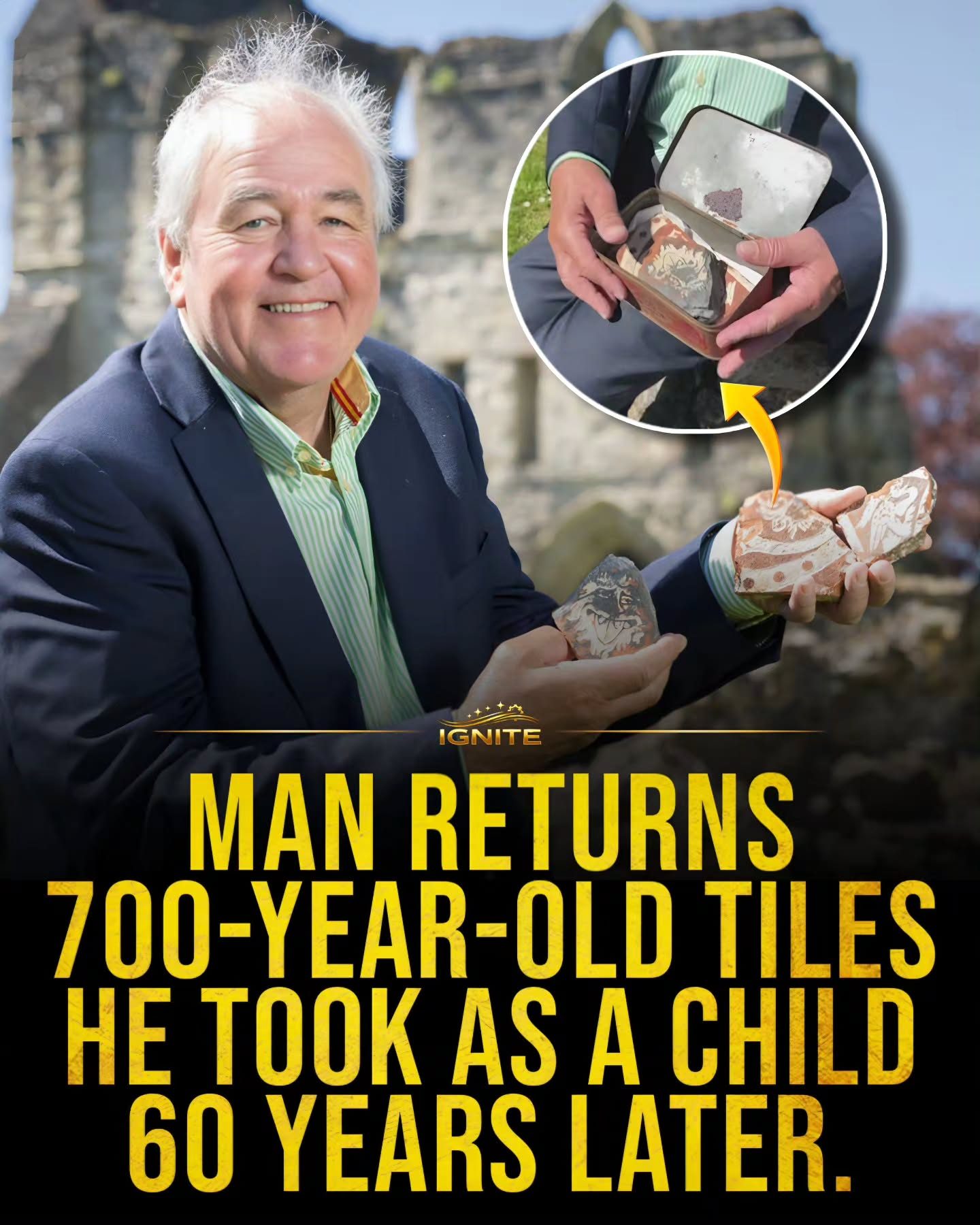
Returning Historical Tiles
Tiles are often taken for granted in our daily lives, but they can hold immense historical value. Recently, a man made headlines by returning a set of 700-year-old tiles that he had taken as a child, some 60 years later. This act of returning the tiles to their rightful place is not just a heartwarming story; it also highlights the cultural and historical significance of preserving ancient artifacts. Let's delve into the importance of such artifacts and the steps involved in returning historical items.
Context: Why This Matters
Historical artifacts, no matter how small or seemingly insignificant, provide valuable insights into past civilizations. Tiles, for instance, can reveal details about ancient architecture, art, and even social customs. When such items are returned to their rightful places, they not only enrich historical records but also contribute to the preservation of cultural heritage.
Understanding the Significance of Historical Tiles
The Historical Value of Tiles
Tiles have been an integral part of human civilization for thousands of years. They serve both functional and decorative purposes, adorning the walls, floors, and ceilings of historical buildings. Historical tiles often carry intricate designs and motifs that reflect the art and culture of their time. These designs can offer clues about the aesthetics, technology, and artistic skills of ancient civilizations. For example, Islamic tiles from the medieval period often feature complex geometric patterns and calligraphy, revealing the rich artistic traditions of the Islamic world.
The Cultural Importance
Beyond their historical value, tiles also hold significant cultural importance. They are part of the collective memory and identity of a community. For instance, the tiles used in the restoration of ancient buildings can help maintain the authenticity of the structures, making them a crucial part of cultural preservation.
The Process of Returning Historical Items
Returning historical items, especially those that have been in personal possession for decades, involves several steps. Here’s a breakdown of the process:
Identification and Authentication
The first step in returning historical items is identifying and authenticating them. This process often involves experts who can verify the age, origin, and significance of the artifacts. In the case of the tiles, the 700-year-old age was a key factor in their historical importance. Authenticating the tiles involved examining their design, material, and any historical markers that could confirm their age and provenance.
Legal and Ethical Considerations
Once the authenticity of the tiles is confirmed, the next step is to consider the legal and ethical aspects of their return. This includes determining the rightful owners or the institutions that should receive the artifacts. In many cases, historical items are returned to museums, historical societies, or other cultural institutions that can preserve and display them for public education and enjoyment.
The Emotional and Logistical Journey
For the man involved, returning the tiles he took as a child was an emotional journey. Holding onto such artifacts for 60 years and then deciding to return them to their rightful place involves a deep sense of responsibility and respect for history. The act of handing over the tiles, as shown in the visuals, highlights the emotional weight of such a decision. It’s a poignant reminder that even small acts can have a significant impact on preserving cultural heritage.
Practical Tips: What to Do If You Find Historical Artifacts
While it’s unlikely that many people will come across artifacts as old as the 700-year-old tiles, the principles of handling and returning historical items remain the same. Here are some practical tips for what to do if you find historical artifacts:
Seek Expert Opinion
If you come across an artifact that you believe to be of historical significance, the first step is to seek expert opinion. Contact local historians, museums, or historical societies who can help identify and authenticate the item. They can provide guidance on the best course of action for preserving and returning the artifact.
Document the Discovery
Document the discovery carefully, noting the exact location where the artifact was found, any relevant details about the context, and how you came to have it. This documentation can be crucial for historical records and authentication purposes.
Contact Relevant Authorities
If the artifact is part of a historical site or building, contact the relevant authorities or institutions that oversee the preservation of such sites. They can guide you on the legal and ethical steps to return the artifact.
Important Takeaways
Respect for History
The story of the man returning the 700-year-old tiles underscores the importance of respecting and preserving historical artifacts. Each artifact, no matter how small, contributes to our understanding of the past and enriches our cultural heritage. Respecting and protecting these artifacts is not just a personal responsibility but a collective duty.
The Value of Cultural Heritage
Historical tiles and other artifacts are not just objects; they are links to our past. They tell stories of civilizations, cultures, and societies that have come before us. Preserving these artifacts ensures that future generations can learn from and appreciate our shared history.
The Emotional Journey
Returning historical artifacts is often an emotional and personal journey. It’s a reminder that our decisions today can shape the future of cultural heritage. Taking the time and effort to return such items to their rightful place is a testament to the enduring value of history and culture.
Conclusion
The act of returning 700-year-old tiles is more than just a personal decision; it’s a testament to the enduring value of history and culture. Historical tiles, like other artifacts, hold immense historical and cultural significance. They offer insights into past civilizations, art, and cultural practices. Preserving and returning such artifacts is a collective responsibility. Whether you’re an individual who stumbles upon a historical artifact or an institution that oversees cultural heritage, every effort counts in preserving our shared history. The journey of returning these tiles is a poignant reminder of the importance of respecting and protecting our cultural legacy for future generations.
Watch the Reel
Questions readers ask
Why did the man decide to return the 700-year-old tiles after 60 years?
The man's decision to return the tiles was likely driven by a desire to preserve cultural heritage and contribute to the historical record. After many years, he realized the importance of these artifacts and sought to rectify his childhood actions.
How do ancient tiles like these contribute to our understanding of history?
Ancient tiles offer a glimpse into the past by providing insights into ancient architecture, art, and social customs. They serve as tangible links to historical periods, and their preservation helps to maintain an accurate record of human history.
What steps should be taken when returning an artifact like the 700-year-old tiles?
When returning an artifact, it's essential to contact local heritage organizations or museums. They can provide guidance on proper handling, authentication, and the best way to ensure the artifact is returned to its rightful place.
How can individuals help in preserving cultural heritage?
Individuals can help in preserving cultural heritage by being mindful of historical sites and artifacts. If you come across an artifact, it is important to leave it in place or contact local authorities if you believe it is in danger. Additionally, supporting local museums and heritage organizations can aid in their preservation efforts.
What is the significance of the 700-year-old tiles being returned to their rightful home?
The return of the 700-year-old tiles to their rightful home is significant because it allows for the continuation of preserving history. This act of returning an artifact highlights the importance of cultural heritage, encourages others to do the same, and enriches the historical record.
Related deep dives
Similar reads based on topic and creator.


Recent articles
Fresh deep dives from the latest Reels we unpacked.




Comments
Be the first to comment.