Why European Castles and American Mansions Use Lead Roofs
Lead roofs are a striking feature of many European castles, old mansions, and even some historical buildings in America. The use of lead for roofing has a rich history and offers several unique advantages that make it a preferred choice for certain architectural styles.
Why Lead Roofs Matter
Lead has been a preferred material for roofing in high-end and historical buildings for centuries. Its durability, flexibility, and longevity make it an ideal choice for preserving the structural integrity and aesthetic appeal of these structures. Understanding why lead roofs are used can provide insights into both historical construction practices and modern architectural innovations.
Advantages of Lead Roofs
Durability and Longevity
One of the primary reasons lead is used for roofing is its exceptional durability. Once exposed to air, lead forms a protective layer that can last over 100 years. This natural oxidation process creates a patina that enhances the material's resistance to corrosion and weathering. The longevity of lead roofs means that once installed, they require minimal maintenance, making them a cost-effective solution over time.
Flexibility and Ease of Installation
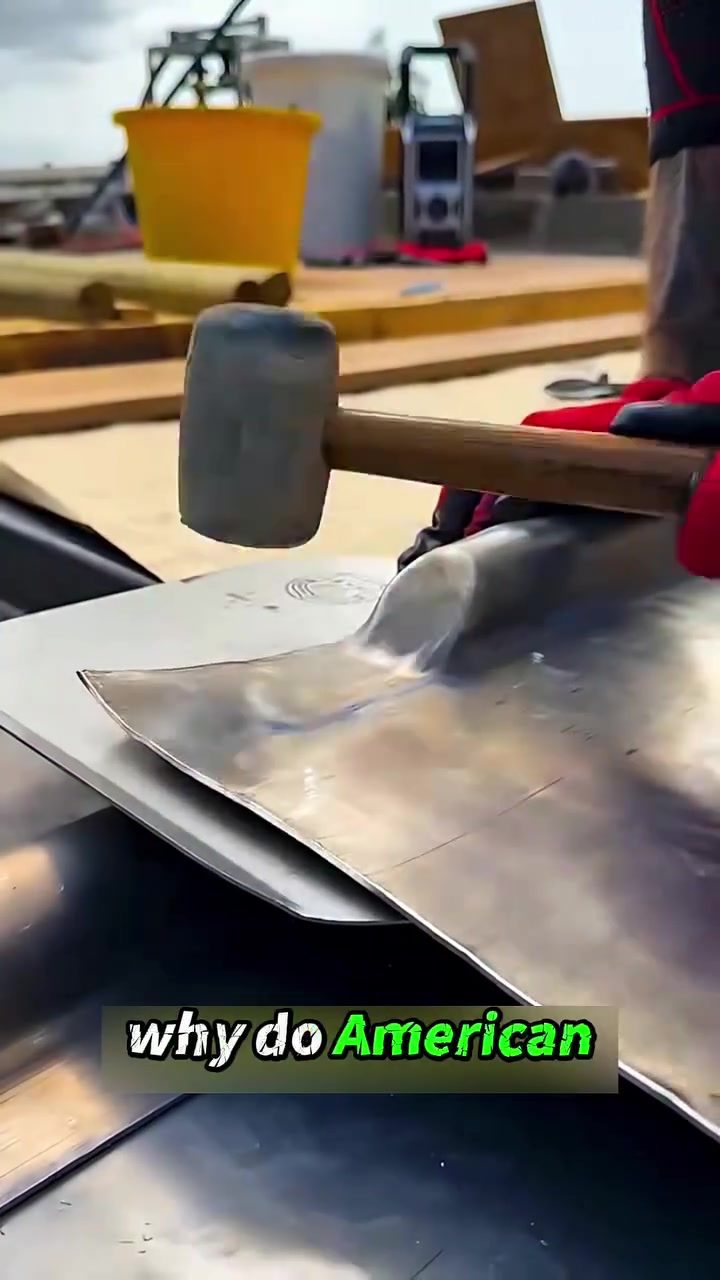
Lead is soft and flexible, allowing workers to hammer it tightly onto every corner of the roof. This malleability makes it easy to shape and conform to the intricate designs found on many historical buildings. The low melting point of lead also allows every seam and nail hole to be welded completely shut, ensuring a watertight seal. This characteristic makes lead roofs almost impossible to leak, which is crucial for protecting the interior of the building from water damage.
Aesthetic Appeal
Lead roofs offer a timeless and elegant appearance that complements the architectural style of many historic buildings. The sleek, metallic finish and the ability to be molded into various shapes and designs make lead a popular choice for ornate roofing. Over time, the patina that forms on lead roofs gives them a distinctive, aged look that adds to their charm and historical authenticity.
Historical Precedent
The use of lead in roofing has a long-standing tradition, particularly in Europe. Many old European buildings and castles feature lead roofs, which have withstood the test of time. This historical precedent has influenced modern architectural practices, leading to the continued use of lead in high-end and historical constructions.
Alternatives to Lead Roofs
While lead roofs offer numerous benefits, there are some drawbacks to consider. The primary downside is the weight of lead, which can be a significant factor in structural design and construction. Additionally, the environmental impact of lead, particularly regarding toxicity and disposal, has led to the exploration of alternative materials.
Copper Roofs
Some buildings now use pure copper instead of lead. Copper is also a durable and flexible metal, and it offers a similar aesthetic appeal. Copper roofs develop a green patina over time, which is often considered attractive. Like lead, copper is expensive, but it has the added benefit that even the scrap metal is worth a significant amount of money. This makes copper a sustainable and environmentally friendly option for roofing.
Practical Tips for Maintaining Lead Roofs
Regular Inspections
To ensure the longevity of a lead roof, regular inspections are essential. Look for signs of wear and tear, such as cracks or lifted edges, and address any issues promptly. Regular inspections can help prevent small problems from becoming significant issues that require costly repairs.
Professional Maintenance
It's crucial to hire a professional for any repairs or maintenance work on a lead roof. Professional roofers have the necessary expertise to handle the material correctly and ensure that the repairs are done to a high standard. DIY repairs can often lead to more damage and costly fixes in the long run.
Weatherproofing
Since lead roofs are susceptible to water damage, weatherproofing is essential. Ensure that all seams and joints are properly sealed, and consider applying a protective coating to enhance the roof's durability and resistance to the elements.
Important Takeaways
Lead roofs offer a unique combination of durability, flexibility, and aesthetic appeal that makes them a popular choice for historical and high-end buildings. The ability to conform to intricate designs, the natural resistance to corrosion, and the longevity of lead make it an ideal material for roofing. However, the weight of lead and environmental concerns have led to the exploration of alternatives like copper, which offers similar benefits with added sustainability.
Conclusion
The use of lead roofs in European castles and American mansions is a testament to the material's exceptional qualities. From its durability and flexibility to its aesthetic appeal, lead has proven to be a reliable choice for roofing. While alternatives like copper offer similar benefits, lead roofs remain a popular choice for those seeking to preserve the historical authenticity and structural integrity of their buildings.
Watch the Reel
Questions readers ask
What makes lead roofing a popular choice for European castles and American mansions?
Lead roofing is favored for its exceptional durability, flexibility, and timeless appeal. It forms a protective patina over time, shielding the structure from weathering and maintaining its aesthetic charm, which is crucial for preserving historical and luxurious buildings.
How does the patina on lead roofs benefit the underlying structure?
The patina that forms on lead roofs acts as a protective barrier, shielding the lead from further corrosion and preventing water from seeping into the building. This natural weathering process enhances the roof's longevity and reduces maintenance requirements.
What are the advantages of lead roofing compared to other metals?
Lead roofing is highly malleable, allowing it to conform to complex shapes and ensure a watertight seal. Unlike some metals, lead does not rust or corrode in the same way, and it provides a consistent, long-lasting performance that other metals may not match.
Why is lead roofing often chosen for historical building restoration?
Lead roofing is frequently selected for historical buildings due to its ability to replicate the original roofing style and provide a durable, long-lasting solution. Its compatibility with traditional construction methods and aesthetic appeal make it an ideal choice for preservation projects.
What factors contribute to the longevity of lead roofing?
The longevity of lead roofing is attributed to its natural weathering process, which creates a protective patina. Additionally, lead's resistance to environmental stressors, such as temperature changes and moisture, ensures that it remains structurally sound for extended periods, often lasting centuries.
What considerations should be made regarding lead roofing costs and installation?
Lead roofing can be more expensive upfront due to the cost of the material and the specialized skills required for installation. However, its longevity, low maintenance needs, and durability make it a cost-effective choice in the long run, especially for high-end and historical structures.
Why is lead roofing particularly well-suited to mansions and castles?
Lead roofing is particularly well-suited to mansions and castles because of its ability to maintain a watertight seal and its flexibility in design. This makes it perfect for the intricate and often steep roof lines of these grand structures, ensuring both structural integrity and aesthetic appeal.
Related deep dives
Similar reads based on topic and creator.


Recent articles
Fresh deep dives from the latest Reels we unpacked.




Comments
Be the first to comment.