Environmental Initiative Turns Legal Battle
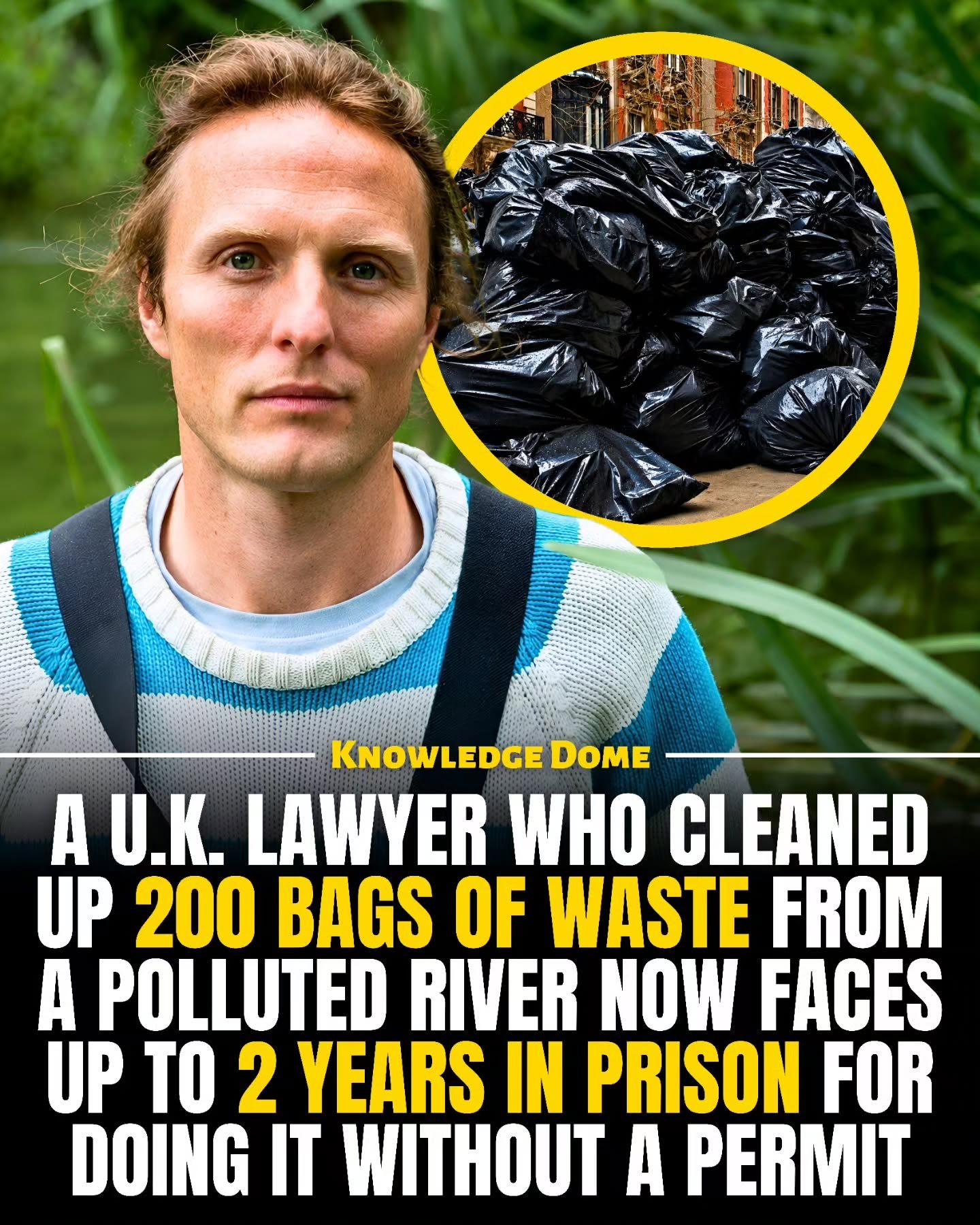
Environmental lawyer and barrister Paul Powlesland organized a significant cleanup effort of a severely polluted stretch of Alders Brook in Barking, East London. The brook, a small river flowing into the River Roding, was filled with rubbish and badly damaged. Over 10 days, Powlesland and a team of volunteers used a mechanical digger to remove more than 200 bags of waste. The cleanup included retrieving broken appliances, needles, and even weapons. This effort significantly improved the river’s habitat for nature and wildlife. Now, however, the Environmental Agency is investigating the cleanup, alleging that it may have violated regulations due to a lack of proper permits. This has sparked controversy and frustration, particularly from individuals like writer Robert Macfarlane, who argue that punishing volunteers is misguided while larger polluters escape responsibility.
Context: Why This Matters
Environmental cleanups are critical for restoring natural habitats and improving biodiversity. The cleanup of Alders Brook highlights the importance of community efforts in environmental restoration. However, the legal complications stemming from this initiative underscore the complex interplay between volunteerism, environmental protection, and regulatory compliance.
Environmental Cleanup and Community Efforts
The Importance of River Cleanups
Rivers serve as vital ecosystems, supporting a wide range of plant and animal species. When rivers become polluted, the health of these ecosystems deteriorates, affecting both wildlife and humans. Cleanup efforts are essential for restoring these ecosystems and ensuring that rivers can once again support diverse flora and fauna.
The Alders Brook Cleanup Effort
Alders Brook, a small river in Barking, East London, had become a victim of pollution, filled with a variety of waste materials, including broken appliances, needles, and even weapons. The cleanup effort, led by Paul Powlesland, aimed to restore the river to a healthier state. With the help of volunteers and a mechanical digger, the team managed to remove over 200 bags of waste over 10 days. This significant effort highlighted the power of community involvement and collective action.
Regulatory Compliance and Environmental Volunteerism
The Legal Implications
The Environment Agency's investigation into the cleanup has raised questions about the legal boundaries of environmental volunteerism. The agency's concern is that the cleanup may have violated regulations by not obtaining the necessary permits. This has led to a complex legal situation, with potential consequences for Powlesland, including up to two years in prison.
Public Reaction and Controversy
The legal complications have sparked public outcry, with many arguing that volunteers who step in to clean up the environment should not be punished, especially when larger polluters often go unchecked. Writer Robert Macfarlane is among those who have expressed frustration, highlighting the disparity in how different environmental actors are treated.
Practical Tips for Environmental Cleanups
Ensure Legal Compliance
Before embarking on any environmental cleanup, it is crucial to understand and comply with local regulations. Contact the relevant environmental agencies to obtain the necessary permits and guidelines. This ensures that the cleanup effort remains legal and aligns with environmental standards.
Engage the Community
Community involvement is key to the success of environmental cleanups. Engage local residents, schools, and other organizations to participate. This not only increases the effectiveness of the cleanup but also fosters a sense of collective responsibility and environmental stewardship.
Proper Waste Disposal
Ensure that all collected waste is disposed of properly. Work with local waste management services to handle hazardous materials, such as needles and chemicals, appropriately. This prevents further environmental contamination and ensures the safety of both volunteers and the community.
Collaborate with Experts
Collaborate with environmental experts and organizations to plan and execute the cleanup. They can provide valuable insights and resources, such as the use of mechanical diggers and other specialized equipment, to make the cleanup more efficient and effective.
Important Takeaways
The cleanup of Alders Brook serves as a reminder of the importance of community-driven environmental initiatives. However, it also highlights the need for clear regulatory guidelines and the complexities of environmental volunteerism. This case underscores the need for balanced policies that encourage community involvement while ensuring compliance with environmental regulations.
Conclusion
Environmental cleanups are a critical aspect of restoring and protecting natural habitats. The Alders Brook cleanup, led by Paul Powlesland, demonstrates the power of community effort in improving river health. However, the legal complications that have arisen from this initiative highlight the need for clearer guidelines and a more balanced approach to environmental regulation and volunteerism. As we continue to face environmental challenges, it is essential to foster a collaborative approach that combines community action with legal compliance, ensuring that our efforts to protect the environment are both effective and sustainable.
Watch the Reel
Questions readers ask
Why is the Environmental Agency investigating Paul Powlesland's cleanup of Alders Brook?
The Environmental Agency is investigating because they allege that the cleanup may have violated regulations due to a lack of proper permits. The investigation is looking into whether the cleanup complied with necessary legal requirements.
What kind of waste was removed during the Alders Brook cleanup?
During the cleanup, over 200 bags of waste were removed, including a wide range of items such as broken appliances, needles, and even weapons. This significant waste removal helped to improve the river's habitat for local wildlife.
Who led the cleanup efforts of Alders Brook and what is their background?
The cleanup of Alders Brook was led by environmental lawyer and barrister Paul Powlesland. He organized the effort to restore the river, which had been severely polluted with rubbish, and significantly damaged over time.
How did the cleanup of Alders Brook impact the river's habitat?
The cleanup of Alders Brook significantly improved the river's habitat. By removing over 200 bags of waste, the river became a cleaner and more hospitable environment for local wildlife, enhancing the overall health of the river ecosystem.
What is the controversy surrounding the Alders Brook cleanup?
The controversy arises from the Environmental Agency's investigation, which alleges that the cleanup may have violated regulations. This has sparked frustration and debate about the balance between community efforts in environmental restoration and compliance with regulatory standards.
What tools were used during the Alders Brook cleanup?
During the Alders Brook cleanup, a mechanical digger was used alongside volunteer efforts to remove over 200 bags of waste. This equipment helped to efficiently clear the river of debris, including broken appliances, needles, and weapons.
What are the potential outcomes of the Environmental Agency's investigation into the Alders Brook cleanup?
The potential outcomes of the Environmental Agency's investigation could range from Paul Powlesland facing legal consequences, including the possibility of jail time, to the investigation being dropped if the Environmental Agency finds that the cleanup complied with regulations. Additionally, the investigation may lead to changes in how community cleanups are handled in the future, to ensure compliance with environmental laws.
Related deep dives
Similar reads based on topic and creator.


Recent articles
Fresh deep dives from the latest Reels we unpacked.




Comments
Be the first to comment.