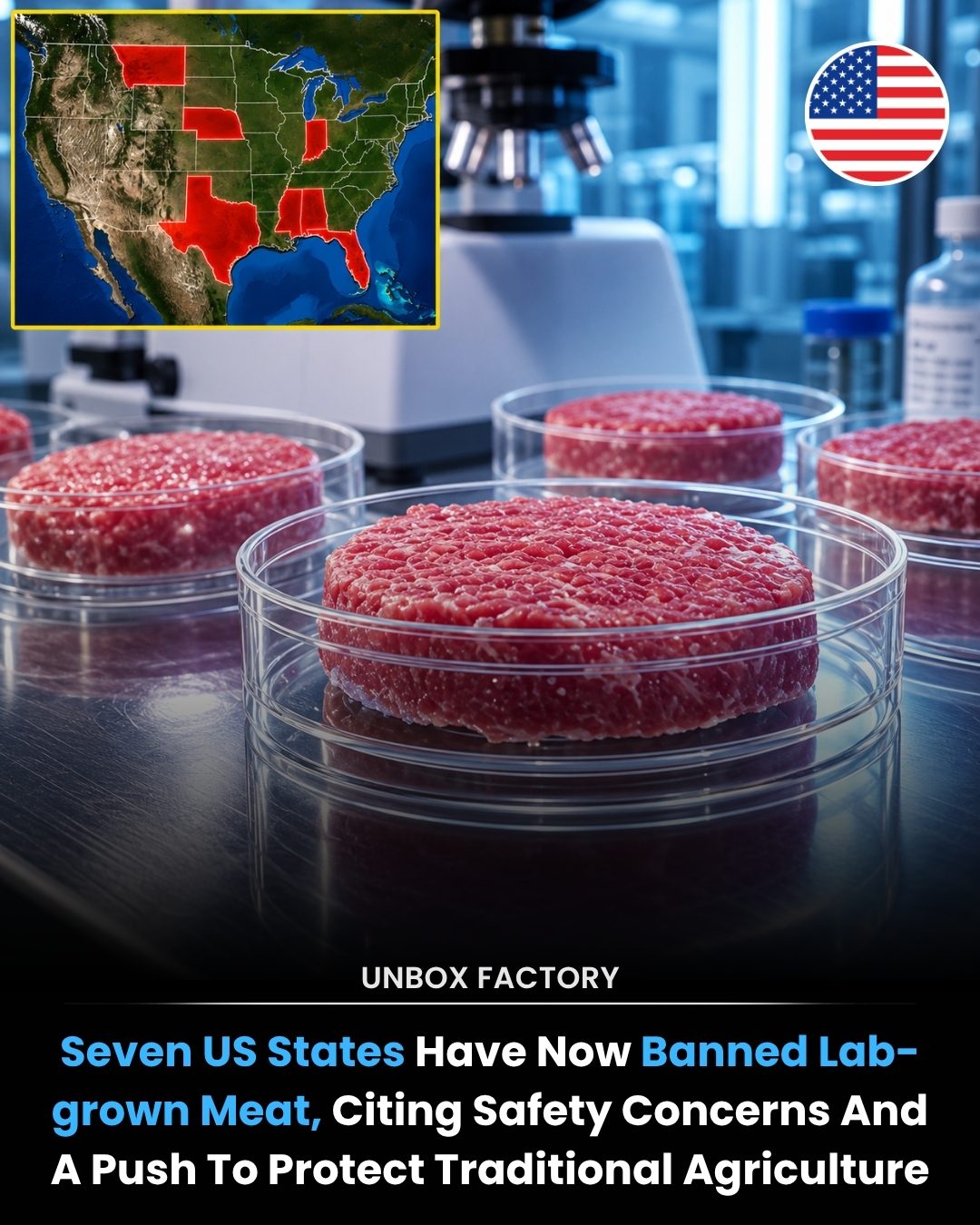
Lab-grown Meat Ban
Seven U.S. states have enacted laws banning or restricting the sale of cultivated (lab-grown) meat. These measures aim to safeguard consumers, livestock producers, and food labeling standards while federal regulators continue assessing the long-term viability of commercializing lab-grown meat. Cultivated meat, produced by growing animal cells in controlled bioreactors, has the potential to revolutionize food technology.
Why This Matters
The debate around lab-grown meat involves a complex interplay of environmental, economic, and ethical considerations. Proponents argue that this technology could significantly reduce land use and greenhouse gas emissions, addressing some of the critical challenges posed by traditional livestock farming. On the other hand, critics raise concerns about production costs, long-term safety, and the economic impact on traditional farming practices.
Current Regulations and Concerns
Overview of Bans
Seven U.S. states have implemented bans or restrictions on lab-grown meat. These regulations are driven by a mix of concerns, primarily centered around safety and the protection of traditional agriculture. The states believe that these measures will ensure consumer safety while also supporting the traditional farming industry.
Safety and Labeling Standards
One of the primary reasons cited for these bans is the concern over the safety of lab-grown meat. While the technology shows promise, it is still relatively new, and there are ongoing debates about its long-term health impacts. Federal regulators are currently evaluating these aspects, and the bans serve as a temporary measure to ensure that consumers are not exposed to potential risks.
Additionally, the regulations are intended to protect food labeling standards. Traditional meat products are already subject to strict labeling requirements, and the introduction of lab-grown meat could complicate this process. The bans provide a buffer period for regulators to establish clear guidelines for labeling and marketing.
Environmental Impact
Lab-grown meat has the potential to significantly reduce the environmental impact of meat production. Traditional livestock farming is a major contributor to greenhouse gas emissions and requires substantial land use. By growing meat in controlled bioreactors, the technology could help mitigate these issues, making it a more sustainable option.
Practical Tips for Navigating the Lab-Grown Meat Landscape
For consumers and producers alike, navigating the lab-grown meat landscape can be challenging. Here are some practical tips to stay informed and make informed decisions:
Consumers
- Stay Informed: Keep an eye on developments in the regulatory landscape. As more research is conducted and regulations are established, consumers will have a clearer understanding of the safety and environmental benefits of lab-grown meat.
- Support Research: Advocate for continued research and development in the field. The more we understand about lab-grown meat, the better equipped we will be to make informed decisions.
Producers
- Monitor Regulatory Changes: Stay updated on state and federal regulations to ensure compliance and avoid potential legal issues.
- Engage with Stakeholders: Work with regulators, consumers, and other stakeholders to contribute to the development of clear guidelines and standards for lab-grown meat production and labeling.
Important Takeaways
The bans on lab-grown meat in seven U.S. states highlight the complex and multifaceted nature of this emerging technology. While the potential benefits are significant, there are legitimate concerns around safety, labeling, and economic impact. As regulators continue to evaluate these issues, it is crucial for consumers and producers to stay informed and engaged in the ongoing dialogue.
Conclusion
The debate around lab-grown meat is far from over. As the technology continues to evolve, so too will the regulatory landscape. The current bans serve as a temporary measure to ensure consumer safety and protect traditional agriculture. However, the long-term viability of lab-grown meat will depend on a careful balance of scientific research, regulatory oversight, and stakeholder engagement. By staying informed and involved, consumers and producers can play a crucial role in shaping the future of this innovative food technology.
Watch the Reel
Questions readers ask
Which seven states have imposed bans or restrictions on lab-grown meat?
As of the latest updates, seven U.S. states have implemented bans or restrictions. These states include Alabama, Arkansas, Idaho, Louisiana, Mississippi, Missouri, and Oklahoma. The specifics of these bans can vary, so it's essential to check the latest legislation in each state.
What are the primary concerns driving these state bans on lab-grown meat?
The primary concerns cited by these states include safety, labeling, and the impact on traditional farming. There are apprehensions about the long-term health effects of consuming lab-grown meat, how it should be labeled to avoid consumer confusion, and the potential economic disruption to the traditional livestock industry.
How does the production of lab-grown meat differ from traditional agriculture?
Lab-grown meat, or cultivated meat, is produced by growing animal cells in controlled bioreactors, which eliminates the need for raising and slaughtering animals. In contrast, traditional agriculture involves raising livestock on farms, which requires significant land, water, and feed resources, and contributes to greenhouse gas emissions.
What are some of the environmental benefits associated with lab-grown meat?
Lab-grown meat has the potential to significantly reduce land use and greenhouse gas emissions compared to traditional livestock farming. By minimizing the need for vast farmlands and decreasing methane emissions from livestock, lab-grown meat could help mitigate some of the environmental challenges posed by conventional agriculture.
What are the labeling concerns surrounding lab-grown meat?
Labeling concerns center around ensuring that consumers are not misled about the origin of their food. There are debates about how to clearly distinguish lab-grown meat from traditionally sourced meat on product labels to maintain transparency and consumer trust.
How might the ban on lab-grown meat impact the farming industry?
The ban on lab-grown meat could have significant economic implications for the farming industry. Traditional livestock producers may face reduced competition, preserving their market share. However, it also means they may miss out on potential innovations and advancements in food technology that could benefit their operations in the long run.
What is the current regulatory status of lab-grown meat in the United States?
The regulatory landscape for lab-grown meat in the United States is still evolving. Federal regulators, such as the FDA and USDA, are assessing the safety and long-term viability of commercializing lab-grown meat. Until federal guidelines are established, individual states have taken their own measures, including bans or restrictions, to manage the sale of lab-grown meat within their jurisdictions.
Related deep dives
Similar reads based on topic and creator.



Recent articles
Fresh deep dives from the latest Reels we unpacked.




Comments
Be the first to comment.