Environmental Innovation: Transforming Waste into Air Pollution Solutions
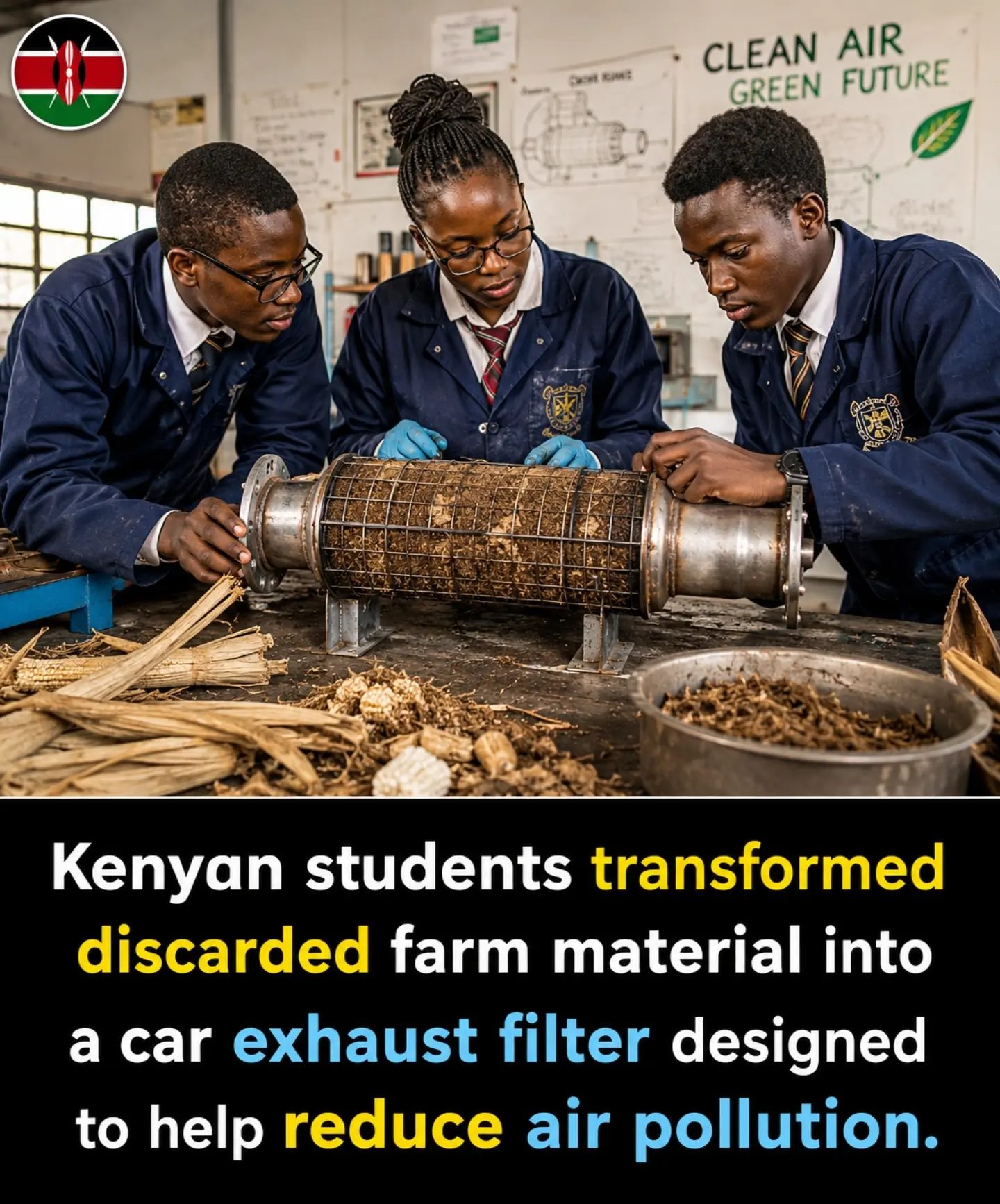
Kenyan students are at the forefront of environmental innovation, transforming discarded farm material into a practical solution for reducing air pollution. Their project focuses on creating a car exhaust filter designed to mitigate the environmental impact of vehicular emissions.
Why This Matters
Air pollution is a pressing global issue, with vehicular emissions being one of the primary contributors. In many regions, the lack of efficient emission control systems exacerbates the problem. Innovative solutions, particularly those that repurpose waste materials, are crucial in addressing this challenge. The efforts of these Kenyan students not only highlight the potential of sustainable technologies but also emphasize the importance of utilizing local resources to combat environmental degradation.
Main Discussion
The Innovation
The project involves the creation of a car exhaust filter using discarded farm material. This approach is multifaceted:
-
Resource Utilization: By repurposing discarded farm material, the project reduces waste and provides an additional use for agricultural byproducts. This dual benefit makes the solution both economically and environmentally viable.
-
Pollution Reduction: The filter is designed to capture harmful pollutants from car exhaust, thereby reducing the amount of toxic substances released into the atmosphere.
The Process
The creation of the car exhaust filter involves several steps:
-
Material Selection: The process begins with the selection of discarded farm material. This step is crucial as the effectiveness of the filter depends on the quality and composition of the raw material.
-
Filter Design: The filter is designed to fit standard car exhaust systems. It is cylindrical in shape and fitted with specialized filters that trap pollutants.
-
Testing and Optimization: The filter undergoes rigorous testing to ensure it meets the necessary standards for emission control. This phase involves iterative testing and adjustments to optimize performance.
Challenges and Solutions
Challenges:
-
Material Stability: Ensuring that the discarded farm material remains stable and effective over time is a significant challenge. Environmental factors such as moisture and temperature can affect the longevity of the filter.
-
Efficiency: Achieving a high level of efficiency in trapping pollutants while maintaining optimal engine performance is a complex task. The filter must be designed to minimize backpressure, which can affect engine efficiency.
Solutions:
-
Advanced Filtration Technology: Incorporating advanced filtration techniques can enhance the stability and efficiency of the filter.
-
Continuous Monitoring: Regular monitoring and maintenance of the filter can help maintain its effectiveness over time.
Practical Tips
For those interested in replicating or supporting similar environmental innovations, here are some practical tips:
-
Collaborate Locally: Engage with local communities and organizations to source materials and talent. This not only supports local economies but also ensures that the solutions are tailored to local needs.
-
Utilize Sustainable Practices: Incorporate sustainable practices at every stage of the project. This includes using environmentally friendly materials and minimizing waste.
-
Seek Expertise: Collaborate with experts in environmental science, engineering, and technology to ensure the highest standards of innovation and effectiveness.
-
Raise Awareness: Publicize the project and its benefits to garner support and attract potential collaborators and funders.
Important Takeaways
-
Innovation for Sustainability: Repurposing waste materials into functional products is a significant step toward sustainability.
-
Community Involvement: Local communities play a crucial role in driving environmental innovation.
-
Technology and Collaboration: Advanced technology, coupled with community collaboration, can lead to effective and sustainable solutions for environmental challenges.
-
Continuous Improvement: Regular testing, monitoring, and improvement are essential for maintaining the effectiveness and sustainability of environmental innovations.
Conclusion
The project undertaken by Kenyan students serves as a beacon of hope and innovation in the fight against air pollution. By transforming discarded farm material into a car exhaust filter, they demonstrate the power of creative problem-solving and the potential of sustainable technologies. Their efforts underscore the importance of repurposing waste and embracing local resources to address global challenges. This innovation not only reduces air pollution but also sets a precedent for future environmental initiatives. The world can learn from this example as we strive to create a cleaner, healthier planet.
Watch the Reel
Questions readers ask
What inspired Kenyan students to develop an eco-friendly car exhaust filter?
The Kenyan students were motivated by the global issue of air pollution, particularly the significant contribution from vehicular emissions. They saw an opportunity to address this problem using sustainable and waste-reducing technologies.
What materials do the Kenyan students use to create their car exhaust filter?
The students repurpose discarded farm materials to construct their eco-friendly car exhaust filter. This not only reduces waste but also creates a practical tool for mitigating vehicular emissions.
How does the eco-friendly car exhaust filter help reduce air pollution?
The filter is designed to trap and reduce harmful emissions from vehicle exhausts. By capturing these pollutants, it helps lower the overall emission levels, contributing to cleaner air in urban and rural areas.
What are the benefits of using repurposed farm materials in this project?
Using repurposed farm materials serves a dual purpose: it reduces waste by giving discarded materials a new life, and it creates a cost-effective solution for air pollution control. This approach aligns with sustainable practices and promotes environmental stewardship.
Can the technology developed by Kenyan students be applied in other regions?
Yes, the principles behind this eco-friendly car exhaust filter can be adapted to other regions facing similar air pollution challenges. The use of locally available waste materials makes it a versatile and scalable solution.
What challenges did the Kenyan students face in developing their eco-friendly car exhaust filter?
The students likely encountered challenges in sourcing the right discarded farm materials and in engineering a filter that could efficiently capture emissions. Additionally, they may have faced limitations in resources and funding, common hurdles for student innovators.
How does the project demonstrate the potential of sustainable technologies?
By transforming waste into a functional air pollution solution, the project showcases the potential of sustainable technologies. It highlights how creative use of available resources can lead to innovative and effective environmental solutions.
Related deep dives
Similar reads based on topic and creator.




Recent articles
Fresh deep dives from the latest Reels we unpacked.




Comments
Be the first to comment.