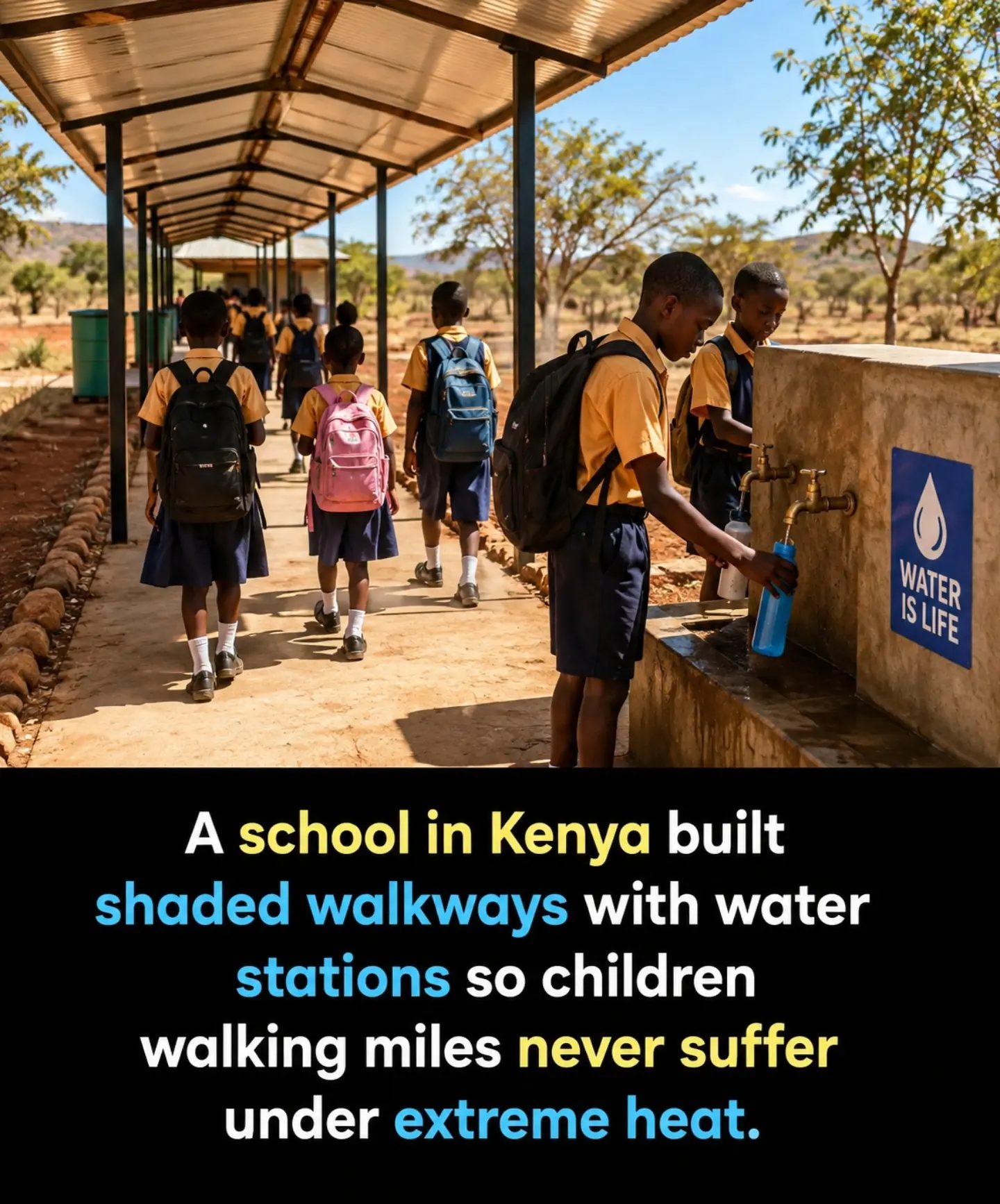
School Water Stations in Kenya: Mitigating Extreme Heat for Students
Extreme heat can pose significant challenges for students, especially in regions where walking long distances to school is a necessity. A school in Kenya has addressed this issue by implementing shaded walkways and water stations, providing crucial relief for students navigating the intense heat.
Why This Matters
Water is essential for maintaining bodily functions. Proper hydration is crucial for cognitive performance, and water intake is particularly important for children, who require more fluid intake due to their higher metabolic rate and body surface area. Scorching temperatures can exacerbate dehydration, leading to fatigue, headaches, and reduced concentration in students. Therefore, ensuring access to water and shade can significantly improve educational outcomes by maintaining students' health and comfort.
Main Discussion
The Initiative: Shaded Walkways and Water Stations
The school in Kenya has built shaded walkways and water stations to alleviate the suffering of children walking long distances in extreme heat. This initiative is a practical response to the environmental challenges faced by students, often overlooked in discussions about educational infrastructure. The walkways provide a much-needed respite from the direct sun, while the water stations ensure that students can stay hydrated throughout their journey to and from school.
Water Stations: More than Just Hydration
Water stations serve a dual purpose. Firstly, they provide a source of clean, fresh water, which is vital for maintaining hydration. Secondly, they serve as a reminder of the importance of water conservation and sustainability. By making water easily accessible, the school encourages students to develop healthy habits and an appreciation for the importance of water in daily life.
Shaded Walkways: Cooling and Comfort
Shaded walkways offer more than just relief from the heat. They provide a safe and comfortable environment for students to travel, protected from the harsh sun and potential hazards like sunburn. These walkways also promote a sense of community, as students walk together, fostering a supportive and inclusive atmosphere.
The Impact on Students
The presence of shaded walkways and water stations has a profound impact on students’ well-being. The initiative reduces the risk of heat-related illnesses, ensuring that students arrive at school ready to engage in learning activities. The relief from extreme heat allows students to focus on their academic pursuits without the distraction of discomfort or fatigue, leading to better performance.
Moreover, the easy access to water and shade encourages students to adopt a healthier lifestyle. They become more conscious of their hydration needs and the importance of staying hydrated throughout the day, habits that will benefit them in the long run.
A Model for Other Schools
This initiative serves as a model for other schools, especially in regions where extreme heat is a common challenge. By implementing similar infrastructure, schools can create a more comfortable and conducive learning environment. Such initiatives can be replicated with modest investments, making them feasible for various educational institutions.
Practical Tips
For Schools
For schools looking to implement similar initiatives, the following tips can be helpful:
-
Assess the Need: Evaluate the specific challenges faced by students in your region. Heat and water access are not the only issues that can impact students. Identify the most pressing concerns and address them accordingly.
-
Invest in Infrastructure: Prioritize the construction of shaded walkways and water stations. Consult with local architects and engineers to design structures that are both functional and sustainable.
-
Educate Students: Incorporate lessons on the importance of hydration and heat management into the curriculum. Encourage students to drink water regularly and take breaks in shaded areas.
-
Community Engagement: Engage with the local community to gather resources and support. Community involvement can enhance the initiative's success and sustainability.
For Students
Students can also take proactive measures to stay hydrated and manage the heat effectively:
-
Hydration Habits: Develop a habit of drinking water regularly, even when not feeling thirsty. Carry a water bottle to school and refill it at the water stations.
-
Dress Appropriately: Wear light-colored, breathable clothing to help regulate body temperature and reduce the impact of the sun.
-
Take Breaks: Utilize the shaded walkways for rest breaks, especially during the hottest parts of the day.
Important Takeaways
The Role of Water and Shade in Education
Water and shade are essential components of a supportive educational environment. They contribute to the overall well-being of students by ensuring they are hydrated and comfortable. By addressing these basic needs, schools can create an atmosphere conducive to learning and development.
Sustainability and Long-term Benefits
Initiatives like these are not just short-term solutions but also sustainable practices that promote long-term benefits. They foster a sense of community, encourage better health habits, and enhance the academic performance of students. Schools that prioritize such infrastructure are likely to see lasting improvements in their educational outcomes.
Conclusion
The school in Kenya has set a commendable example by implementing shaded walkways and water stations. This initiative highlights the importance of addressing environmental challenges that affect students' well-being and academic performance. By ensuring access to water and shade, the school not only mitigates the risks of extreme heat but also fosters a healthier and more focused learning environment. This model can inspire other educational institutions to adopt similar practices, contributing to a more comfortable and conducive educational experience for all students.
Watch the Reel
Questions readers ask
Why are shaded pathways important for students in Kenya?
Shaded pathways play a vital role in protecting students from direct sunlight, reducing the risk of heat-related illnesses and providing a more comfortable environment for walking to school. They also help to mitigate the harsh heat, making long walks to school more bearable for students.
How do water stations benefit students in Kenya?
Water stations in schools are essential for maintaining student hydration, especially in hot climates. They help prevent dehydration, which can lead to fatigue, headaches, and reduced concentration. Proper hydration is crucial for students' cognitive performance and overall well-being.
What are the key challenges students face due to extreme heat in Kenya?
Extreme heat can lead to dehydration, fatigue, and reduced concentration in students. These issues can significantly impact their ability to perform well in school, making it difficult for them to learn and stay focused.
What measures has the Kenyan school taken to combat the heat?
The school has installed shaded pathways to reduce direct sunlight exposure and water stations to ensure students stay hydrated. These measures aim to enhance student well-being and cognitive performance, helping them cope with the harsh heat during their journey to school.
Why is hydration particularly important for children?
Children have a higher metabolic rate and body surface area compared to adults, which means they require more fluid intake. Proper hydration is essential for maintaining bodily functions and cognitive performance, making it crucial for students to have access to water during hot days.
How do shaded paths and water stations improve student well-being?
Shaded paths and water stations work together to create a more comfortable and safer environment for students. By reducing heat exposure and ensuring hydration, these initiatives help prevent heat-related illnesses, enhance students' focus, and improve their overall health during school hours.
Related deep dives
Similar reads based on topic and creator.



Recent articles
Fresh deep dives from the latest Reels we unpacked.




Comments
Be the first to comment.