Data Center Controversies: The Kentucky Lawsuit and AI Infrastructure
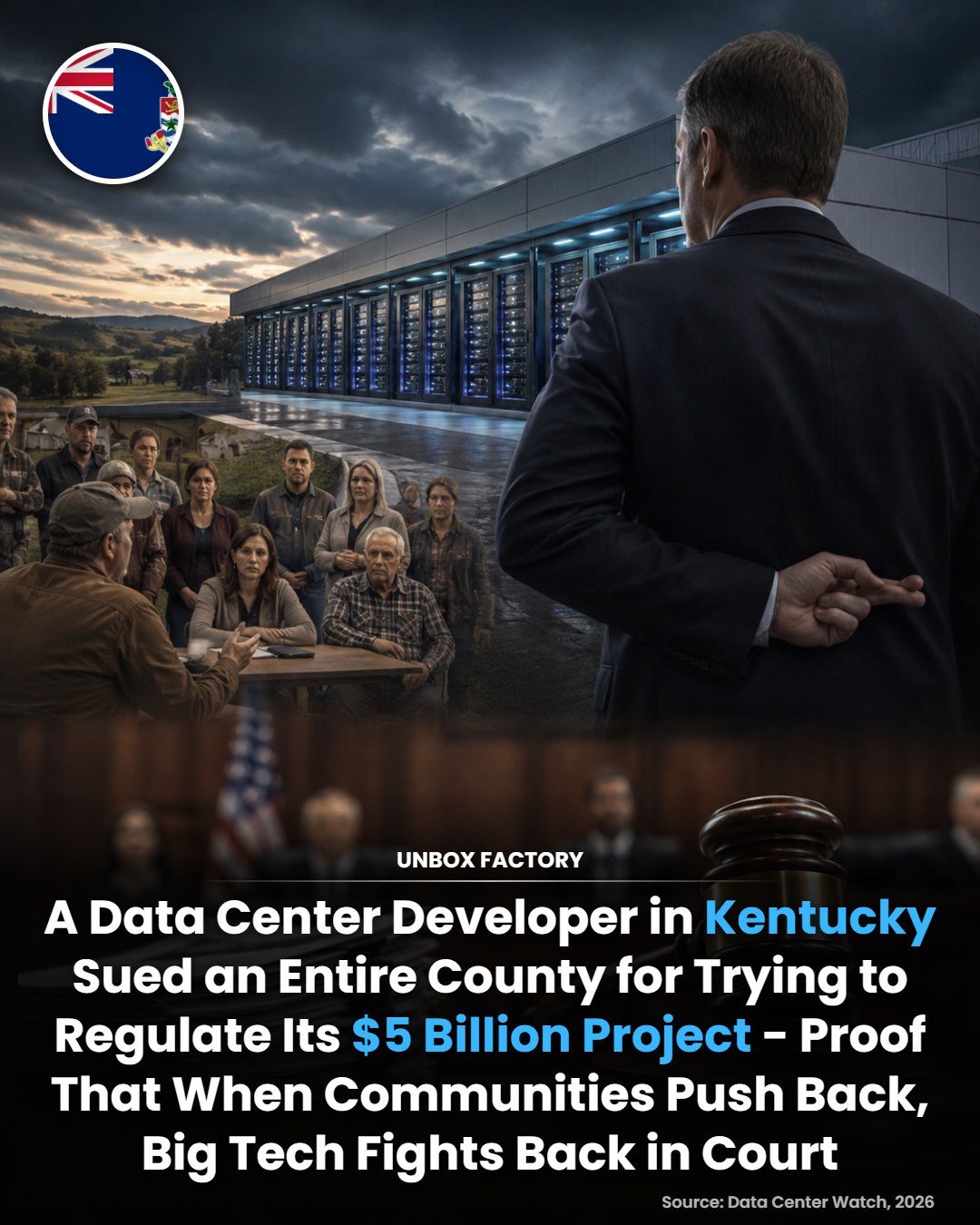
A proposed $5 billion AI data center project in Kentucky has sparked significant legal controversy. The developer behind this massive initiative has filed a lawsuit against the county after local officials attempted to regulate the project. This dispute highlights growing tensions between technology companies eager to expand AI infrastructure and communities concerned about the potential impacts on local resources and quality of life.
Why This Matters
Large-scale AI data centers are critical components of modern technological infrastructure. However, their development often comes with significant challenges, particularly in terms of resource consumption and environmental impact. The legal battle in Kentucky underscores the need for balanced approaches that address both the benefits and drawbacks of such projects.
The Scale of the Issue
AI data centers, especially those classified as hyperscale, require enormous amounts of electricity. A single facility can consume over 1 gigawatt of power, enough to supply hundreds of thousands of homes. Additionally, these centers demand substantial water resources for cooling and place significant pressure on local infrastructure, including roads and utilities. Communities are becoming increasingly vocal about these issues, leading to regulatory pushback and subsequent legal battles.
The Kentucky Lawsuit: A Closer Look
The Background
The lawsuit in Kentucky involves a developer planning to build a $5 billion AI data center. Local officials introduced regulations aimed at mitigating the potential negative impacts of the project, such as high electricity demand, water consumption, noise, and land use concerns. In response, the developer filed legal action against the county, alleging that the regulations were unfair and impeded the project's progress.
The Conflicting Interests
The conflict between the developer and the county represents a microcosm of the broader tensions between technology companies and local communities. On one hand, tech giants see AI data centers as essential for advancing artificial intelligence capabilities, which can drive economic growth and innovation. On the other hand, communities are rightly concerned about the environmental and infrastructural strains that such facilities can impose.
The Broader Context
Similar Legal Disputes
The Kentucky lawsuit is not an isolated incident. Similar legal disputes are becoming more common as communities demand greater oversight and regulation of major AI developments. These conflicts often arise from the significant resource demands of AI data centers and the perceived lack of community involvement in the planning process. Communities are increasingly calling for more transparent and collaborative approaches to development, which can help mitigate potential negative impacts while still allowing for technological advancement.
The Role of Local Governments
Local governments play a crucial role in balancing the interests of tech companies and communities. By introducing regulations, they aim to protect local resources and quality of life while also fostering economic development. However, these efforts can sometimes be met with resistance from developers, who may view regulations as barriers to their projects. Finding a middle ground that satisfies both parties is a complex task, but one that is essential for sustainable development.
Practical Tips for Stakeholders
For Technology Companies
- Engage Early and Often: Involve local communities in the planning process from the outset. Regular communication and transparency can help build trust and reduce resistance.
- Address Environmental Concerns: Invest in sustainable technologies and practices to minimize the environmental impact of AI data centers. This can include renewable energy sources and efficient cooling systems.
- Consider Local Infrastructure: Work with local governments to ensure that infrastructure can support the data center without placing undue strain on resources.
For Communities
- Stay Informed: Educate yourself about the potential benefits and drawbacks of AI data centers. Understanding the issues can help you make informed decisions and advocate for your community's needs.
- Participate in Planning: Engage with developers and local governments during the planning process. Your input can help shape regulations that protect local resources while allowing for technological advancement.
- Seek Economic Benefits: Advocate for policies that ensure your community benefits economically from the presence of an AI data center, such as job creation and local investment.
Important Takeaways
The legal battle in Kentucky highlights the complex dynamics between technology companies and local communities. Both parties have valid concerns and interests, and finding a balanced approach is essential for sustainable development. Communities must be involved in the planning process, and regulations should be designed to protect local resources while still allowing for technological innovation. For technology companies, engaging early and often with communities and addressing environmental concerns can help build trust and reduce resistance.
Conclusion
The lawsuit in Kentucky serves as a reminder of the growing tensions between technology companies and local communities over AI data center development. As the demand for AI infrastructure continues to rise, it is crucial to find balanced approaches that address the concerns of all stakeholders. By engaging in open dialogue and collaboration, technology companies and communities can work together to create sustainable and mutually beneficial solutions.
Watch the Reel
Questions readers ask
What is the Kentucky data center lawsuit about?
The lawsuit involves a dispute between a developer and local officials in Kentucky over regulations for a $5 billion AI data center project. The developer is challenging regulations aimed at managing the project's significant resource demands and community impacts.
What are the main concerns of Kentucky communities regarding the AI data center project?
Kentucky communities are primarily concerned about the potential strain on local resources, such as electricity, and the environmental impacts that could arise from the project's substantial demands.
Why is the 2026 Kentucky data center project significant?
The 2026 Kentucky data center project is significant because it represents a major investment in AI infrastructure, but also because it highlights the growing tensions between technological advancement and community well-being.
What specific regulations are the developers challenging in the lawsuit?
The developers are challenging regulations imposed by local officials that aim to mitigate the project's substantial resource demands and community impacts, although the exact regulations have been mentioned.
What role does electricity demand play in the controversy surrounding the AI data center?
Electricity demand is a crucial factor in the controversy because large-scale AI data centers require significant amounts of power, which can strain local resources and potentially lead to increased costs or supply issues for residents.
How does this lawsuit reflect broader issues between big tech companies and community?
This lawsuit reflects a broader issue between big tech companies and communities. It illustrates the conflicts that arise when large corporations prioritize technological expansion, while local residents and officials prioritize the preservation of resources and quality of life.
Related deep dives
Similar reads based on topic and creator.




Recent articles
Fresh deep dives from the latest Reels we unpacked.




Comments
Be the first to comment.