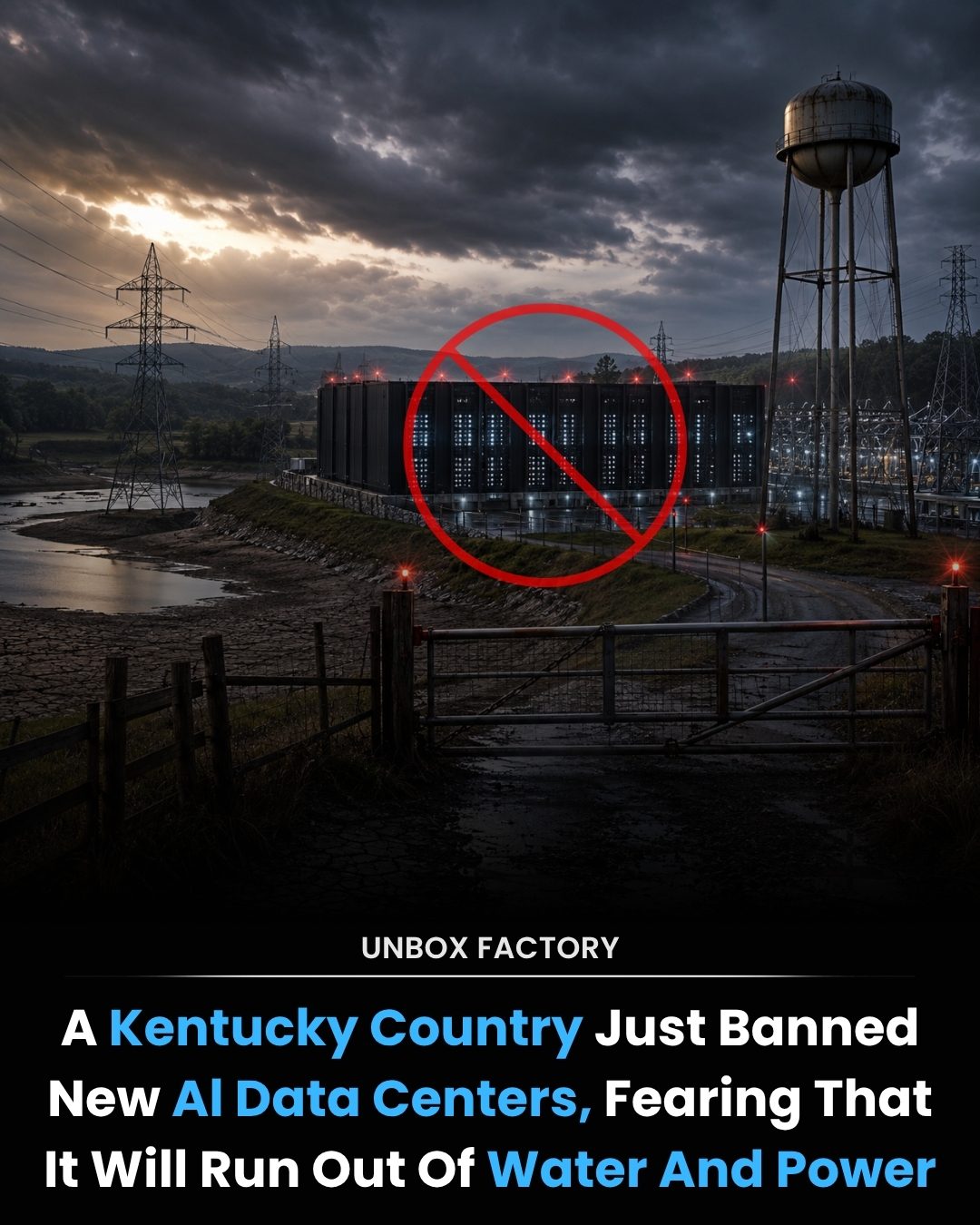
Kentucky County Bans New AI Data Centers: Concerns Over Water and Power Supplies
A Kentucky county has implemented strict restrictions on the development of new AI data centers, driven by significant concerns over the strain these facilities place on local electricity supplies and freshwater resources. This move underscores the growing tension between technological advancement and the finite resources required to support it.
Why This Matters
The ban highlights a critical issue facing communities across the United States: the immense resource demands of modern AI data centers. These facilities are essential for powering the AI revolution, but their energy and water consumption are raising alarms. As AI continues to advance, so does the need for robust infrastructure to support it. Understanding the specifics of this ban and its implications is crucial for anyone involved in or impacted by the tech industry.
The Ban and Its Implications
The Decision to Ban
Officials in the Kentucky county approved restrictions on new AI data center development after recognizing the potential for these facilities to overwhelm local resources. The decision comes as a response to the rapidly growing demands of AI data centers, which require enormous amounts of energy for computing and cooling. A single hyperscale AI campus can demand anywhere from 500 megawatts to over 1 gigawatt of electricity. To put that into perspective, that's enough power to supply hundreds of thousands of homes. Additionally, these centers consume millions of gallons of water per day for cooling, placing a significant burden on local freshwater supplies.
The Impact on Local Infrastructure
The ban is a direct response to the strain that AI data centers can place on local infrastructure. Utilities across the U.S. have warned that AI-driven electricity demand is expected to grow dramatically over the next decade. This exponential growth in demand poses a serious challenge for communities that may not have the infrastructure to support it. Local governments are now being forced to reassess their capacity and plan for the future, ensuring they can meet the needs of both existing residents and new technological developments.
The Broader Implications
The decision in Kentucky is part of a larger trend. Communities across the United States are beginning to reassess their infrastructure capacity in light of the growing demands of AI data centers. This reassessment is necessary to ensure that new projects can be approved safely and sustainably. However, it also means that AI companies and developers must adapt to a more stringent regulatory environment, one that prioritizes sustainability and resource management.
Practical Tips for Navigating AI Data Center Development
Assessing Resource Demand
For companies looking to develop new AI data centers, one of the first steps should be a thorough assessment of the resource demand. Understanding the energy and water requirements of a new facility can help in identifying potential challenges and planning for future growth. This involves not only assessing the current capacity of local utilities but also considering future demand and potential disruptions.
Collaborating with Local Governments
Collaboration with local governments is essential for navigating the regulatory environment. Engaging with officials early in the planning process can help ensure that projects align with local priorities and infrastructure capabilities. This collaboration can also help in identifying potential incentives or support that can make the development process smoother.
Investing in Sustainable Solutions
Investing in sustainable solutions is crucial for long-term success. This includes implementing advanced cooling systems that reduce water usage, as well as exploring renewable energy sources to power data centers. Companies that prioritize sustainability are more likely to gain support from local communities and governments, making the development process more feasible.
Important Takeaways
The Critical Role of Infrastructure
The ban in Kentucky underscores the critical role of infrastructure in supporting technological advancements. As AI continues to grow, so will the demand for resources, making it essential for communities to ensure they have the capacity to support new developments. This involves not only assessing current capabilities but also planning for future growth and potential disruptions.
The Need for Sustainable Solutions
The growing demand for resources highlights the need for sustainable solutions. Companies and developers must prioritize sustainability in their planning and operations, ensuring that their data centers are both efficient and environmentally responsible. This involves implementing advanced cooling systems and exploring renewable energy sources.
The Importance of Collaboration
Collaboration between companies, local governments, and communities is essential for navigating the challenges of AI data center development. This collaboration can help ensure that projects align with local priorities and infrastructure capabilities, making the development process more feasible and sustainable.
Conclusion
The ban on new AI data centers in a Kentucky county is a stark reminder of the challenges posed by the growing demand for resources. As AI continues to advance, so will the need for robust infrastructure to support it. For companies and developers, this means prioritizing sustainability, collaborating with local governments, and planning for future growth. By doing so, they can help ensure that technological advancements are supported by a resilient and sustainable infrastructure.
Watch the Reel
Questions readers ask
What prompted Kentucky county officials to restrict AI data center development?
Kentucky county officials restricted AI data center development due to concerns about the strain these facilities place on local electricity grids and freshwater resources. The rapid growth of data centers has raised alarms about the sustainability of power and water supplies in the region.
How do AI data centers impact local electricity supplies?
AI data centers consume vast amounts of electricity to power their operations and cooling systems. This high demand can overwhelm local electricity grids, leading to potential shortages and increased pressure on power infrastructure.
What role does water play in the operations of AI data centers?
Water is crucial for cooling the servers and other equipment in AI data centers. The significant water usage can strain local freshwater resources, potentially leading to shortages and environmental concerns, especially in regions where water is already scarce.
What are the implications of these restrictions for the tech industry?
The restrictions on AI data center development in Kentucky may prompt the tech industry to seek alternative locations with more robust infrastructure. This could potentially slow down the advancement of AI technologies in the region while encouraging investment in areas with better resource management.
How might AI data centers adapt to these limitations?
AI data centers may need to invest in more efficient cooling technologies and renewable energy sources to reduce their reliance on local electricity grids and freshwater resources. This could include using recycled water for cooling and implementing solar or wind power to lower their carbon footprint.
Will other regions in the U.S. follow Kentucky's lead in restricting data center growth?
It's possible that other regions facing similar challenges with power and water supplies may consider similar restrictions. This trend underscores the importance of developing sustainable and resource-efficient data center technologies to support the growing demand for AI services.
Related deep dives
Similar reads based on topic and creator.



Recent articles
Fresh deep dives from the latest Reels we unpacked.




Comments
Be the first to comment.