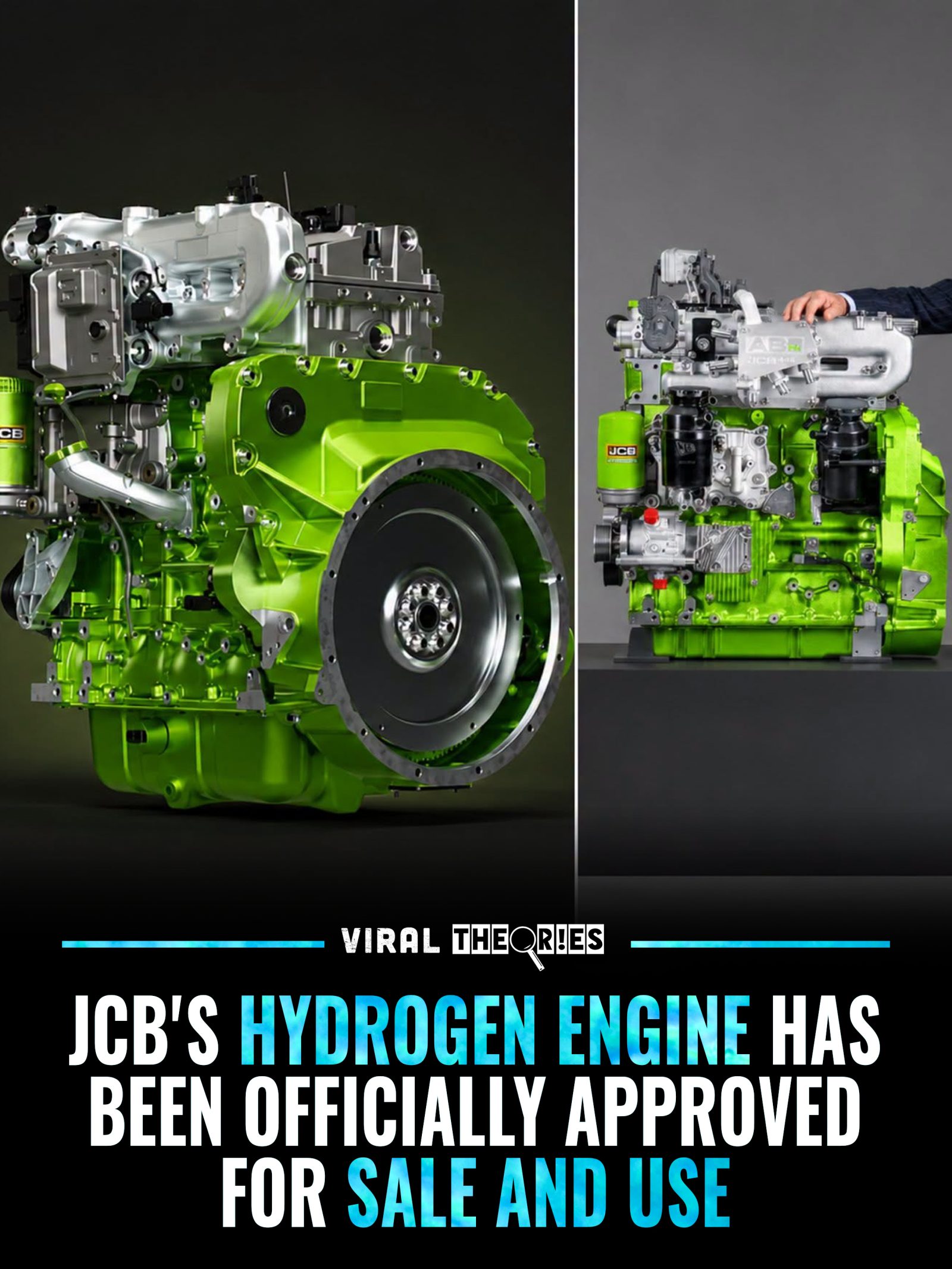
JCB's Hydrogen Combustion Engine: A Zero-Emission Alternative for Heavy Machinery
The JCB hydrogen combustion engine has made significant strides, receiving official approval for sale and use across Europe. This development is a game-changer for the construction and agricultural sectors, offering a zero-emission alternative to traditional diesel engines. Let's delve into the details of this innovative technology and its potential impact on heavy machinery.
The Approval and Certification
JCB's hydrogen combustion engine has garnered approval from eleven licensing authorities, including those in Great Britain, Germany, France, and the Netherlands. This multi-national certification paves the way for the commercial deployment of JCB’s hydrogen-powered machinery. The certification process involved rigorous testing to ensure the engine meets all safety and performance standards. This milestone marks a significant step forward in the adoption of hydrogen technology in the industrial sector.
The Benefits of Hydrogen Engines
Hydrogen combustion engines offer several advantages over traditional diesel engines. The most notable benefit is their zero-emission output, making them an environmentally friendly choice. This is particularly important for industries that rely heavily on diesel fuel, such as construction and agriculture. By switching to hydrogen, these sectors can significantly reduce their carbon footprint and contribute to global sustainability efforts.
Another key advantage is the engine's performance. JCB's hydrogen combustion engines are designed to provide the same power and reliability as their diesel counterparts. This ensures that the transition to hydrogen technology does not compromise the efficiency and effectiveness of heavy machinery. The engines are also quieter, reducing noise pollution on job sites.
Applications and Real-World Testing
JCB has already produced over 130 evaluation engines, which are being tested in various applications, including backhoe loaders, Loadall telescopic handlers, and generator sets. These real-world tests are crucial for understanding how the hydrogen engines perform in different environments and under various conditions. The results so far have been promising, with the engines showing strong performance and reliability.
The real-world testing also involves customer sites, providing valuable feedback from end-users. This feedback is instrumental in refining the technology and ensuring it meets the needs of the industry. The positive progress of these tests indicates a promising future for hydrogen combustion technology in heavy machinery.
The Future of Hydrogen Technology
The approval and deployment of JCB's hydrogen combustion engine mark a significant milestone in the adoption of hydrogen technology in the industrial sector. As more companies and industries recognize the benefits of hydrogen, we can expect to see increased investment and innovation in this area. The success of JCB's engines could inspire other manufacturers to explore hydrogen technology, leading to a broader range of hydrogen-powered machinery.
Moreover, the infrastructure for hydrogen fueling is likely to expand as the demand for hydrogen-powered machinery grows. This will make it easier for companies to adopt hydrogen technology and further accelerate its integration into the industrial sector.
Practical Tips for Transitioning to Hydrogen Engines
For companies considering a transition to hydrogen combustion engines, there are several practical steps to take:
- Evaluate Your Needs: Assess your current machinery and determine which pieces of equipment would benefit most from a switch to hydrogen. Consider the specific applications and operational requirements.
- Partner with Experts: Work with companies like JCB that have extensive experience in hydrogen technology. They can provide valuable insights, support, and resources to ensure a smooth transition.
- Invest in Training: Ensure that your staff is well-trained in the operation and maintenance of hydrogen-powered machinery. This will help maximize the benefits and longevity of the equipment.
- Plan for Infrastructure: Consider the infrastructure required for hydrogen fueling. This may involve installing new fueling stations or partnering with hydrogen providers.
Important Takeaways
- Zero-Emission Technology: JCB's hydrogen combustion engines offer a zero-emission alternative to traditional diesel engines, making them an environmentally friendly choice for the construction and agricultural sectors.
- Reliable and Efficient: The engines provide the same power and reliability as diesel engines, ensuring that the transition to hydrogen does not compromise performance.
- Real-World Testing: The engines are being tested in various applications and on customer sites, with promising results indicating a bright future for hydrogen combustion technology.
Conclusion
The official approval for sale and use of JCB's hydrogen combustion engine across Europe is a significant development in the industrial equipment sector. With their zero-emission capabilities and reliable performance, these engines offer a promising alternative to traditional diesel engines. As more companies adopt hydrogen technology, we can expect to see a positive impact on the environment and a more sustainable future for heavy machinery.
Watch the Reel
Questions readers ask
What makes JCB's hydrogen combustion engine a notable advancement in heavy machinery?
JCB's hydrogen combustion engine stands out because it offers a zero-emission alternative to traditional diesel engines, making it a greener option for industries like construction and agriculture. This engine has received approval for sale and use across Europe, marking a significant step forward in reducing emissions from heavy machinery.
Which European countries have approved JCB's hydrogen combustion engine?
JCB's hydrogen combustion engine has received approval from several European countries, including Great Britain, Germany, France, and the Netherlands. These approvals are part of a broader certification from eleven licensing authorities, allowing for the commercial deployment of JCB’s hydrogen-powered machinery across Europe.
How does the JCB hydrogen engine benefit the construction sector?
The JCB hydrogen engine provides a sustainable solution for the construction sector by eliminating the harmful emissions associated with diesel engines. This transition to zero-emission technology can help construction companies meet environmental regulations and reduce their carbon footprint.
What are the implications of JCB's hydrogen engine for the agricultural sector?
For the agricultural sector, the JCB hydrogen engine offers a cleaner alternative to traditional diesel-powered machinery. By reducing emissions, it helps agricultural operations become more environmentally friendly, which is crucial for maintaining soil and water quality, as well as contributing to overall sustainability efforts.
What processes were involved in the approval of JCB's hydrogen engine in Europe?
The approval process involved certifications from multiple national authorities, including those in Great Britain, Germany, France, and the Netherlands. This multi-level certification ensures that the engine meets stringent safety and performance standards, allowing it to be commercially deployed across Europe.
How does the JCB hydrogen engine compare to traditional diesel engines in terms of emissions?
The JCB hydrogen engine produces zero emissions, unlike traditional diesel engines. This makes it a superior choice for reducing the environmental impact of heavy machinery, as hydrogen combustion does not release pollutants like nitrogen oxides, particulate matter, and carbon dioxide.
What are the potential impacts of JCB's hydrogen engine on the European market?
The approval and commercial deployment of JCB’s hydrogen engine across Europe could lead to a significant reduction in greenhouse gas emissions from heavy machinery. This innovation has the potential to transform the construction and agricultural sectors by providing a sustainable and efficient power source for their equipment.
Related deep dives
Similar reads based on topic and creator.


Recent articles
Fresh deep dives from the latest Reels we unpacked.




Comments
Be the first to comment.