Japan's Innovative Urban and Hospitality Designs
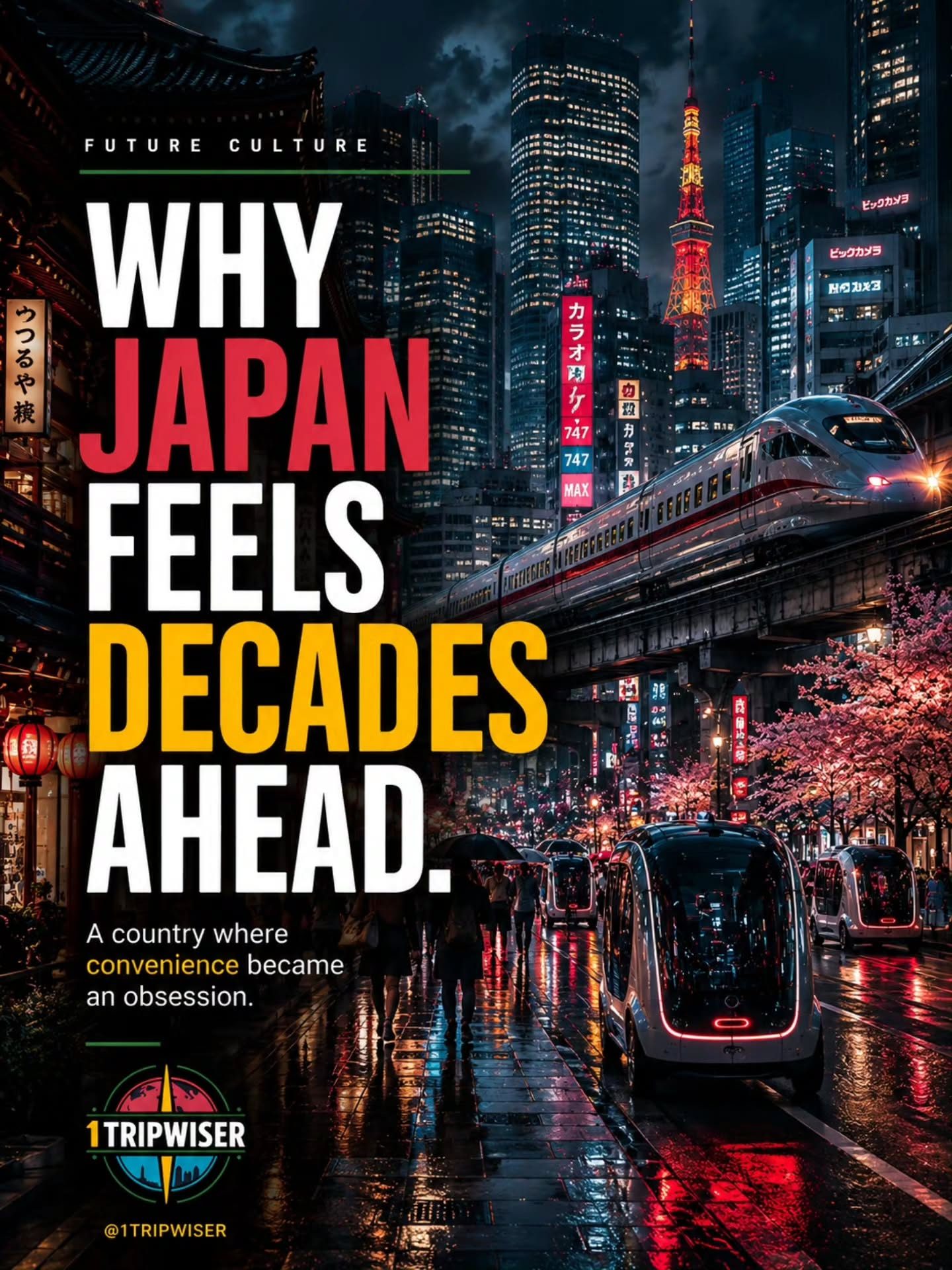
Japan is renowned for its cutting-edge technology and innovative urban planning. The country's obsession with convenience and efficiency is evident in its futuristic cityscapes, advanced public facilities, and unique hospitality solutions. Let’s explore some of the most remarkable examples of Japan's forward-thinking designs.
Why This Matters
Japan's innovative approach to urban design and hospitality is not just about aesthetics; it's about creating a more efficient, convenient, and user-friendly environment. These innovations address real-world problems, enhancing the quality of life for both residents and visitors. From public toilets to bicycle storage and hotel services, Japan's solutions are groundbreaking and often decades ahead of other countries.
Public Toilets and Convenience
One of the most innovative aspects of Japan's urban design is its approach to public toilets. These facilities often feature transparent glass walls that become opaque when the door is locked. This design, known as "See-Through" or "Privacy on Demand," uses an electric current to make the glass instantly opaque, ensuring privacy while maintaining a clean and open appearance.
The technology behind these toilets is not just about aesthetics; it prioritizes cleanliness and safety. The transparent design allows for constant surveillance, making it difficult for vandalism or misuse. Additionally, the electric current that opacifies the glass can be a deterrent to potential intruders, as it is visible from the outside.
These public toilets are not only functional but also award-winning. They have been recognized for their innovative design and functionality, making them a model for urban planning around the world. The design is built for everyone, ensuring accessibility and convenience for all users.
Urban Transportation Solutions
Tokyo, the capital of Japan, has implemented an innovative solution for bicycle storage. The city features robotic underground bicycle vaults that can store and retrieve bicycles automatically. This system is a perfect example of Japan's efficiency and artistry in urban engineering.
Users can simply tap their card, and the platform receives their bicycle, storing it underground in seconds. When they return, their bicycle rises back up automatically. This system not only saves space but also ensures that bicycles are secure and easily accessible. It’s a prime example of how technology can be integrated into everyday life to create a more efficient and convenient urban landscape.
Robot-Staffed Hospitality
Japan has also made significant strides in the hospitality industry with the Henn-na Hotel, the world's first robot-staffed hotel. Located in the Nagasaki Prefecture, the hotel is run predominantly by robots, showcasing Japan's innovative approach to service and efficiency.
The Henn-na Hotel features robot dinosaurs for check-in, robot arms for luggage storage, and AI assistants for customer service. These robots are designed to handle various tasks, from greeting guests to providing information, ensuring a seamless and futuristic experience for visitors. The hotel's use of robots is not just a gimmick; it's a practical solution that enhances efficiency and reduces the need for human staff, addressing labor shortages in the hospitality sector.
Practical Tips
If you're planning to visit Japan, here are some practical tips to make the most of these innovative solutions:
- Public Toilets: Look for the transparent glass toilets, especially in urban areas. They are not only convenient but also a unique experience.
- Bicycle Storage: If you're visiting Tokyo, consider using the bicycle storage system. It’s a great way to navigate the city without worrying about parking or theft.
- Hotel Stay: For a unique experience, stay at the Henn-na Hotel. It's a great way to witness the future of hospitality and robotics.
Important Takeaways
- Japan's Commitment to Innovation: The country's focus on convenience and efficiency is evident in its futuristic designs and innovative solutions.
- Public Toilets: Transparent glass walls with electric current for privacy and safety.
- Urban Transportation: Robotic underground bicycle vaults for efficient and space-saving storage.
- Hospitality: Robot-staffed hotels like the Henn-na Hotel offer a unique and futuristic experience.
Conclusion
Japan's approach to urban design and hospitality is a testament to its commitment to innovation and efficiency. From public toilets to bicycle storage and robot-staffed hotels, the country continues to push the boundaries of what's possible, creating solutions that are not only convenient but also forward-thinking. Whether you're a resident or a visitor, experiencing these innovations firsthand is a unique and enlightening experience.
Watch the Reel
Questions readers ask
What are some unique features of Japan's public toilets that enhance user experience?
Japan's public toilets, particularly in urban areas, are designed with privacy and security in mind. Transparent designs, for example, ensure that while the toilet is visible from the outside, the user remains fully private thanks to clever use of frosted glass and reflective angles. Additionally, these toilets are often equipped with advanced features like automatic flushing, heated seats, and touch-free controls.
How does Japan's bicycle storage system in cities like Tokyo contribute to urban efficiency?
Tokyo's bicycle storage systems, often underground or integrated into building designs, maximize space and reduce clutter. These systems use automated or robot-assisted mechanisms to store and retrieve bicycles efficiently, making it easier for residents to commute and reducing congestion on city streets and in public spaces.
What role do robots play in Japan's hospitality industry, particularly in hotels?
Robots in Japan's hospitality industry, particularly in hotels, are used for various tasks such as check-in, room service, and even as guides. For example, the Henn-na Hotel in Hakone uses a variety of robots to handle tasks ranging from front desk services to cleaning. This not only adds a futuristic touch but also ensures efficiency and reliability in services.
What makes Japan a global leader in urban planning?
Japan's leadership in urban planning comes from its focus on integrating advanced technology and innovative design solutions that prioritize user experience, convenience, and safety. From efficient traffic management systems to smart city technologies, Japan's urban planning efforts are designed to enhance the quality of life for residents and visitors alike.
How do transparent public toilets ensure privacy and security in Japan?
Transparent public toilets in Japan use a combination of frosted glass, reflective surfaces, and smart design to ensure that while the toilet is visible from the outside, users remain fully private. This design is particularly effective in areas with high foot traffic, as it allows for security checks and reduces vandalism without compromising user privacy.
What are some of the key features of Tokyo's futuristic design?
Tokyo's futuristic design is characterized by its seamless integration of advanced technology into daily life. Innovations include smart city technologies, automated systems for public amenities, and efficient transportation solutions. The city's urban landscape is a testament to Japan's commitment to creating a convenient, efficient, and user-friendly environment for its residents and visitors.
Related deep dives
Similar reads based on topic and creator.




Recent articles
Fresh deep dives from the latest Reels we unpacked.




Comments
Be the first to comment.