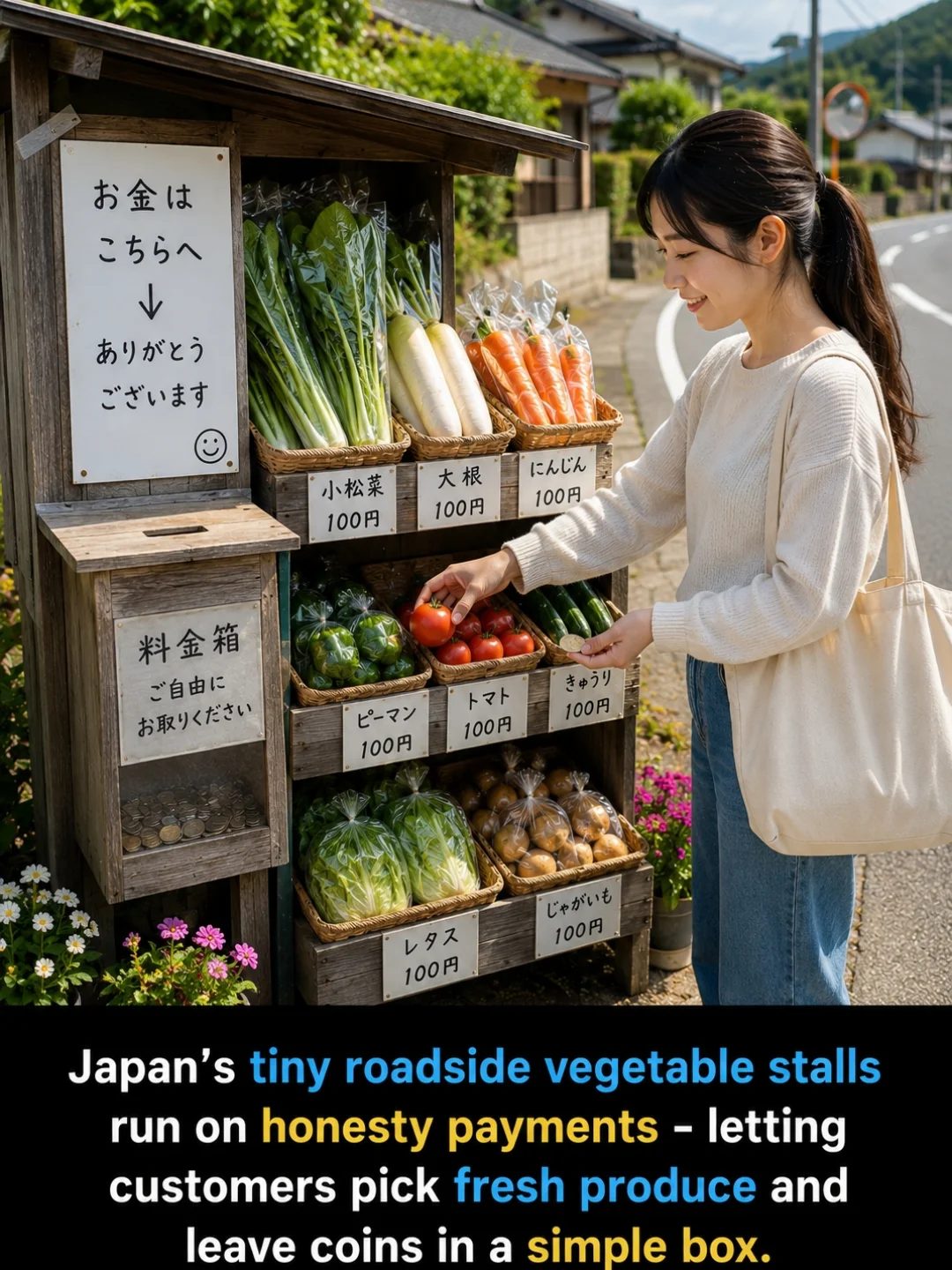
Roadside Vegetable Stalls in Japan
Roadside vegetable stalls are a common sight in Japan, offering a unique and convenient way for locals to access fresh produce. These stalls, often found along country roads and in rural areas, operate on a system of trust and honesty, allowing customers to pick their vegetables and leave payment in a designated box.
Context / Why This Matters
In a country known for its efficient and highly organized society, these small, roadside vegetable stalls stand out as a testament to the deep-seated sense of community and mutual trust. They not only provide fresh, affordable produce but also foster a sense of camaraderie and social connection within rural communities. Understanding how these stalls operate and their significance in Japanese society can offer valuable insights into the cultural fabric of the country.
The honesty system is a core feature of these stalls, reflecting a level of trust and integrity that is deeply ingrained in Japanese culture. This system not only simplifies transactions but also encourages a sense of personal responsibility and respect for community resources.
Main Discussion
The Honesty System
The honesty system at these roadside vegetable stalls is straightforward. Customers are expected to select their produce, check the prices displayed, and leave the appropriate payment in a designated box. This system relies on the honesty and integrity of the customers, who are trusted to pay the correct amount without direct supervision.
The on-screen text from the visual summary highlights this clearly:
"お値段は", "こちらへ", "ありがとうございます", "ございます", "小松菜", "100円", "大根", "100円", "にんじん", "料金箱"
This translates to:
"Prices are", "here", "Thank you very much", "there is", "spinach", "100 yen", "daikon radish", "100 yen", "carrot", "payment box"
The prices are usually displayed clearly, making it easy for customers to understand what they need to pay. Common items like spinach, daikon radish, and carrots are typically priced at around 100 yen, ensuring affordability.
The Role of Community
These stalls often serve as community hubs, where neighbors can meet, chat, and exchange news. This social aspect is as important as the economic function of the stalls. It reinforces the sense of community and mutual trust that is central to Japanese rural life.
Variety of Produce
The variety of vegetables available at these stalls can be surprisingly diverse. Common items include carrots, daikon radish, spinach, and other seasonal vegetables. The freshness and quality of the produce are typically high, as the vegetables are often sourced locally.
The display of vegetables is usually well-organized, making it easy for customers to select what they need. This organization contributes to the overall appeal and convenience of these stalls, ensuring that customers can quickly find and pick their items.
Pricing and Accessibility
The affordability of the produce is another significant aspect of these stalls. Prices are generally set at a reasonable rate, often around 100 yen per item, making fresh vegetables accessible to everyone. This affordability is a key reason why these stalls are popular among locals, who can enjoy fresh, nutritious food without spending too much.
Practical Tips
If you find yourself near a roadside vegetable stall in Japan, here are some practical tips to ensure a smooth and enjoyable experience:
- Check the Prices: Before selecting your vegetables, take a moment to review the prices displayed. This will help you understand the cost and ensure you leave the correct payment.
- Be Honest: The honesty system relies on the integrity of the customers. Always pay the correct amount and leave it in the designated box.
- Support Local Farmers: By purchasing from these stalls, you are directly supporting local farmers and contributing to the local economy.
Important Takeaways
- Trust and Honesty: Roadside vegetable stalls in Japan are a unique example of a system built on trust and honesty.
- Community Value: These stalls serve as more than just a place to buy vegetables; they are community hubs that foster social connections.
- Affordability and Accessibility: The affordability and accessibility of fresh produce make these stalls a valuable resource for locals.
Conclusion
Roadside vegetable stalls in Japan are a fascinating blend of practicality and cultural significance. They offer a unique way for locals to access fresh, affordable produce while fostering a sense of community and trust. Whether you are a visitor or a local, these stalls provide a glimpse into the everyday life and values of Japanese society. The next time you come across one of these stalls, take a moment to appreciate the simplicity and charm of this traditional practice.
Watch the Reel
Questions readers ask
How does the honesty system work at Japan's roadside vegetable stalls?
Customers select the vegetables they want, such as carrots, daikon radish, or spinach, and place the appropriate payment in a designated box. Typically, this is a 100 yen coin or a note, depending on the price of the produce.
What kinds of vegetables can I expect to find at these stalls?
The variety can change with the seasons, but common vegetables include leafy greens like spinach, root vegetables such as carrots and daikon radish, and other fresh produce.
Is it safe to leave money in the honesty box?
Yes, the system is built on a deep sense of trust and community in rural Japan. Customers are expected to leave the correct amount of money in the box, ensuring the system works smoothly.
What happens if I can only pay with a larger bill, but the change is not available at the stall?
It's best to have the correct change ready, such as 100 yen coins, as change may not always be available. If you must use a larger bill, you can try leaving a note with your contact information and the amount due.
Are these stalls only for locals, or can tourists access them as well?
Tourists are welcome to use these stalls. It's a great way to experience Japanese rural culture and enjoy fresh, local produce. Just be sure to follow the honesty system guidelines.
How do the stall owners ensure their produce doesn't go to waste?
The stalls are typically restocked regularly, and the system relies on the honesty and trust of the community. Additionally, the produce is often priced affordably to encourage sales.
What should I do if I can't find a price list or the correct change?
If you can't find a price list, you can try contacting the stall owner or leaving a note with your contact information, and the stall owner will get back to you. If you can't find the correct change, it's best to come back when you can pay the exact amount.
Related deep dives
Similar reads based on topic and creator.




Recent articles
Fresh deep dives from the latest Reels we unpacked.




Comments
Be the first to comment.