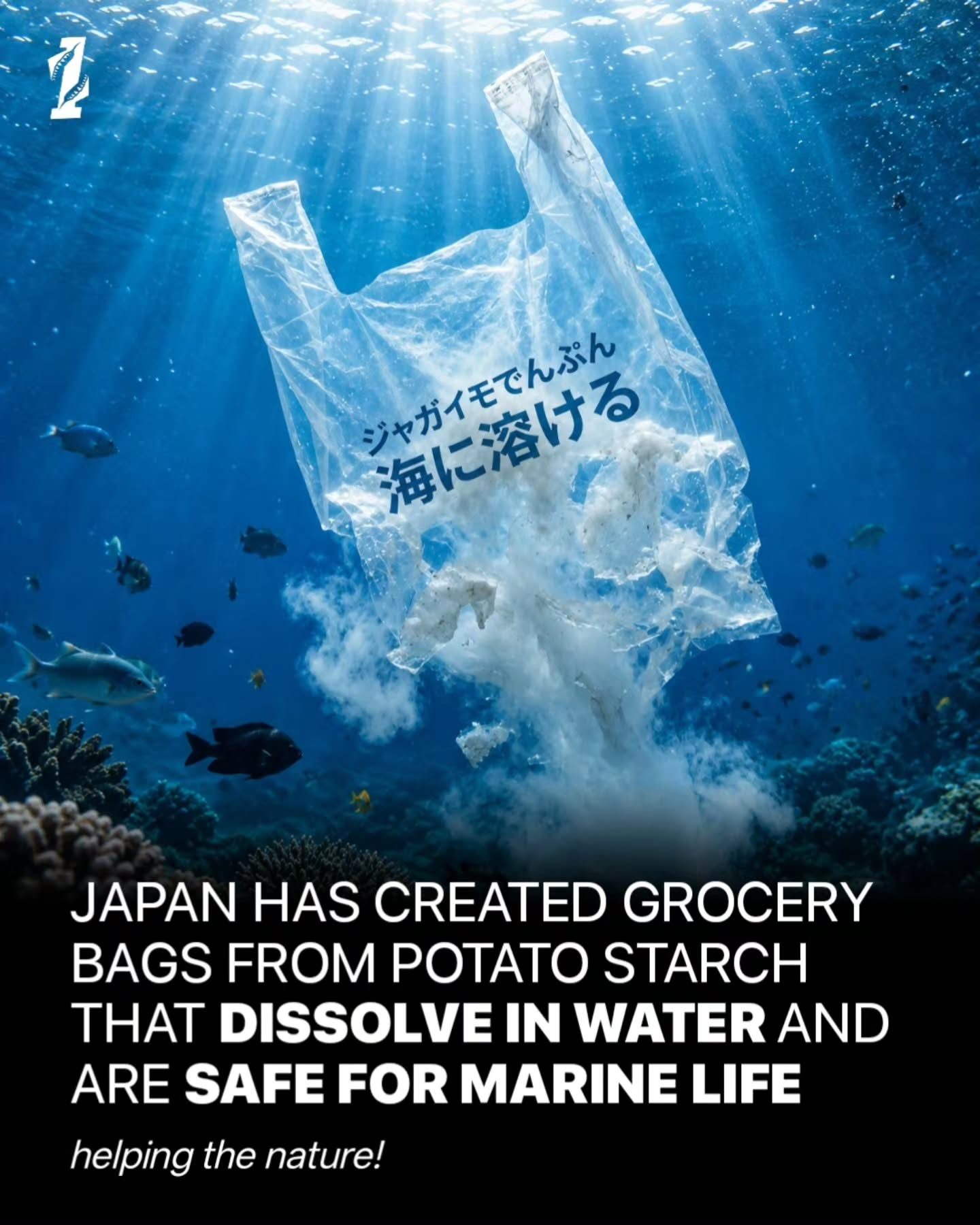
Biodegradable Grocery Bags: A Revolutionary Solution to Plastic Pollution
Plastic bags have long been a staple in grocery shopping, but their environmental impact has become increasingly alarming. Enter the innovative solution from Japan: biodegradable grocery bags made from potato starch. These bags offer a promising alternative to traditional plastic bags, which can take hundreds of years to decompose and often end up in our oceans, harming marine life.
Why This Matters
The environmental crisis posed by plastic waste is well-documented. According to various reports, around eight million tonnes of plastic waste enter the world's oceans annually, entangling and killing marine animals. Traditional plastic bags, in particular, are notorious for their durability, which is a double-edged sword. While they are useful for carrying groceries, their longevity means they persist in the environment long after they are discarded.
The Breakthrough: Starch-Based Grocery Bags
The Material: Potato Starch
These innovative grocery bags are made from a natural plant-based polymer derived from potatoes. This renewable material can be turned into strong, flexible films that mimic the properties of conventional plastic bags. The key difference lies in how these bags behave when exposed to water.
Dissolving in Water
Unlike traditional plastic, the starch-based material in these bags dissolves completely when it comes into contact with water. This means that if one of these bags ends up in the ocean, it will break down without leaving behind microplastics. This feature is crucial for protecting marine ecosystems, as it prevents the harmful effects of plastic pollution on aquatic life and coral reefs.
Comparing with Conventional Plastic
Traditional plastic bags are made from petroleum-based polymers, which are not biodegradable. They can survive in the ocean for hundreds of years, contributing to the massive plastic waste problem. In contrast, the biodegradable bags from Japan offer a sustainable solution that can significantly reduce the environmental impact of shopping bags.
Practical Tips for Choosing and Using Biodegradable Grocery Bags
When transitioning to biodegradable grocery bags, there are several practical tips to keep in mind:
Check for Certifications
Ensure that the bags are certified biodegradable. Look for labels or certifications that guarantee the bags will dissolve in water and do not leave behind harmful microplastics.
Proper Disposal
Even though these bags are biodegradable, it is still important to dispose of them properly. Place them in the appropriate waste stream, preferably in a compost bin or with other biodegradable waste.
Reusing and Repurposing
While biodegradable bags are designed to break down, try to reuse them as much as possible to further reduce waste.
Important Takeaways
The development of biodegradable grocery bags made from potato starch marks a significant step forward in addressing the environmental challenges posed by plastic pollution. These bags offer a practical, scalable alternative to traditional plastic bags, helping to protect wildlife and ecosystems by dissolving safely in water. By adopting these innovative solutions, we can contribute to a more sustainable future and reduce the harmful impact of plastic waste on our oceans and marine life.
Conclusion
The introduction of biodegradable grocery bags made from potato starch is a game-changer in the fight against plastic pollution. These bags offer a viable and environmentally friendly alternative to conventional plastic bags, helping to mitigate the devastating effects of plastic waste on marine life. By embracing this innovation, we can take a significant step towards a more sustainable and eco-friendly world.
Watch the Reel
Questions readers ask
What makes Japan's potato starch bags an eco-friendly alternative to plastic bags?
Japan's potato starch bags are eco-friendly because they are biodegradable and dissolve completely in water. Unlike plastic bags, they do not persist in the environment for centuries, thereby reducing harm to marine life and ecosystems.
How do potato starch bags help mitigate plastic pollution in the oceans?
Potato starch bags help reduce plastic pollution by dissolving in water, which prevents them from contributing to the estimated eight million tonnes of plastic waste that enter the world's oceans each year. This makes them a safer option for marine life.
What are the benefits of using potato starch grocery bags over traditional plastic bags?
Potato starch grocery bags offer several benefits, including being biodegradable, dissolvable in water, and reducing the risk of harm to marine animals. They provide a sustainable solution to the problem of plastic waste.
How do potato starch bags compare to other biodegradable bags in terms of functionality?
Potato starch bags are unique because they dissolve in water, unlike many other biodegradable bags. This makes them particularly effective at reducing litter in marine environments, and they are still durable enough for everyday use.
How do Japan's potato starch bags contribute to sustainable grocery solutions?
Japan's potato starch bags support sustainability by offering a biodegradable option for grocery shopping. They encourage environmentally friendly habits and help reduce the reliance on traditional plastic bags, which have negative environmental impacts.
How do the Inventionsharkjapan products, such as potato bags, benefit the environment?
Inventionsharkjapan products, like potato starch bags, benefit the environment by providing water soluble and biodegradable alternatives to plastic bags. These innovations help minimize the negative impact of plastic waste on marine life and ecosystems.
Are there any downsides to using potato starch bags as a replacement for plastic bags?
While potato starch bags are a significant step forward in reducing plastic waste, they may not be as durable as traditional plastic bags for certain uses. Additionally, their production and disposal conditions should be optimized to ensure they fully dissolve and do not release harmful byproducts.
Related deep dives
Similar reads based on topic and creator.



Recent articles
Fresh deep dives from the latest Reels we unpacked.




Comments
Be the first to comment.