The Jamaican Flag: A Unique Symbol of Color and Culture
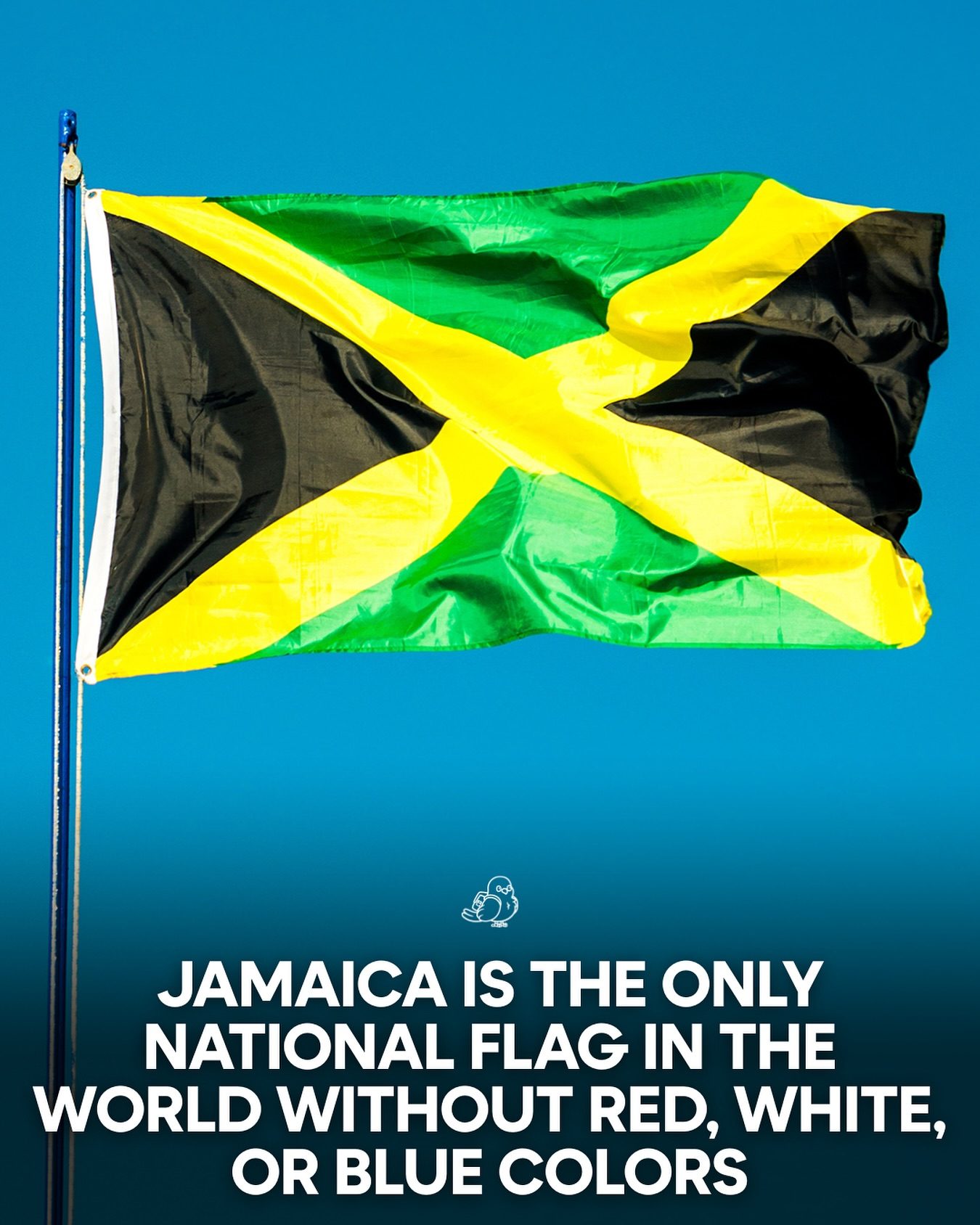
The Jamaican flag stands out in the world of national symbols, distinctive not just for its design but also for its unique color scheme. Unlike many other national flags, the Jamaican flag does not include the colors red, white, or blue. This absence makes it a topic of interest and curiosity for those who appreciate the intricacies of national symbols.
Why This Matters
Flags are more than just pieces of cloth; they are powerful symbols representing a country's history, culture, and values. The Jamaican flag’s unique color composition is a testament to its rich cultural heritage. Understanding the significance of these colors offers a deeper appreciation for the country and its people.
The Colors of Jamaica
The Jamaican flag comprises three vibrant colors: green, gold, and black. These colors were carefully chosen to represent different aspects of Jamaican life and heritage. Green symbolizes the lush landscapes and fertile lands, serving as a reminder of the country's agricultural roots and natural beauty. Gold, or yellow, represents the golden sun and the mineral wealth of the island, reflecting Jamaica's rich resources and economic potential. Lastly, black represents the strength and creativity of the Jamaican people, highlighting their resilience and cultural vigor.
Green: The Land of Wood and Water
Jamaica's lush greenery is more than just a scenic backdrop; it is a fundamental part of the country’s identity. The country is rich in natural beauty, with verdant landscapes, dense forests, and vibrant flora. The green in the flag pays homage to this natural heritage, emphasizing the importance of the environment to Jamaican culture and livelihood. The agricultural sector, which is a cornerstone of the Jamaican economy, benefits significantly from the fertile lands, which are integral to the production of crops such as sugar, coffee, and spices.
Gold: Sun, Sand, and Riches
The gold color in the Jamaican flag represents the sun, a vibrant and powerful source of light and energy. The island's sunny climate is a magnet for tourists, contributing significantly to the country's tourism industry. The gold color is also a nod to the island's rich mineral resources, particularly bauxite and gold, which are essential to Jamaica’s economy. The golden hue symbolizes the warmth and radiance of the Jamaican people, reflecting their friendly and welcoming nature.
Black: Strength and Creativity
Black, the third and final color, stands for the strength and creativity of the Jamaican people. It signifies the resistance and perseverance they have shown throughout history, from fighting for independence to overcoming challenges in modern times. The color also represents the cultural vibrancy of the people, who have made significant contributions to music, literature, and the arts. The Jamaican flag's black color is a reminder of the country's cultural heritage and the resilience of its people.
Practical Tips for Understanding National Symbols
When exploring the symbolism of national flags, it's essential to understand the historical and cultural context behind the colors and designs. Here are some tips to help you appreciate the significance of any flag:
Research the Historical Context
Delve into the history of the country and the events that led to the adoption of its flag. Understanding the historical context can provide deeper insights into the symbolism of the flag's colors and design.
Learn About Cultural Significance
Explore the cultural and symbolic meanings behind the flag's colors and design. This can involve reading about the country's traditions, customs, and values, as well as the roles these symbols play in everyday life.
Use Multiple Sources
Rely on a variety of sources to gather information about the flag. This can include official government websites, historical texts, and interviews with experts in the field. Different sources can provide diverse perspectives and a more comprehensive understanding.
Compare Other Flags
Comparing the Jamaican flag with other national flags can offer a broader perspective on how different countries choose their symbols. This exercise can help identify unique aspects of the Jamaican flag and provide a deeper appreciation for its design.
Important Takeaways
The Jamaican flag’s unique color scheme sets it apart from other national flags, making it a fascinating subject for those interested in national symbols and their meanings. The vibrant colors of green, gold, and black tell a story of the country's natural beauty, rich resources, and the strength and creativity of its people. By understanding these elements, one can gain a deeper appreciation for the Jamaican flag and its significance.
Conclusion
The Jamaican flag is more than just a piece of cloth; it is a powerful symbol of the country's rich heritage and cultural values. Its unique color scheme, which excludes the common red, white, and blue, makes it a distinctive and meaningful national emblem. By exploring the significance of each color, one can gain a deeper understanding of Jamaica's natural beauty, economic resources, and the resilience of its people. The flag serves as a reminder of the island nation's vibrant culture and the enduring spirit of its people.
Watch the Reel
Questions readers ask
What do the colors on the Jamaican flag represent?
The colors on the Jamaican flag hold significant meaning. Green represents the lush landscapes and agricultural richness, gold signifies the mineral wealth of the country, and black stands for the resilience and creativity of the Jamaican people.
Why is the Jamaican flag unique among national flags?
The Jamaican flag is unique because it does not include the common colors of red, white, or blue. Instead, it features a distinctive combination of green, gold, and black, which sets it apart from many other national flags around the world.
What is the history behind the Jamaican flag's color scheme?
The colors of the Jamaican flag were chosen to reflect the country's natural beauty and cultural heritage. This color scheme was adopted when Jamaica gained independence in 1962, and it has since become a powerful symbol of national identity.
How does the Jamaican flag reflect the country’s cultural identity?
The Jamaican flag's unique design and color scheme are deeply rooted in the country's cultural heritage. The combination of green, gold, and black not only represents the natural beauty and resources of Jamaica but also embodies the spirit and resilience of its people.
What is the significance of the Jamaican flag's design?
The Jamaican flag features a bold design with a black diagonal cross that divides the flag into four triangles. The colors and design of the flag are a testament to the country’s rich history and the pride of its people, making it a symbol of national pride.
Are there any other national flags that share a similar color scheme to the Jamaican flag?
There are no other national flags that share the exact same color scheme of green, gold, and black. This unique combination makes the Jamaican flag easily recognizable and distinct among the flags of the world.
Related deep dives
Similar reads based on topic and creator.




Recent articles
Fresh deep dives from the latest Reels we unpacked.




Comments
Be the first to comment.