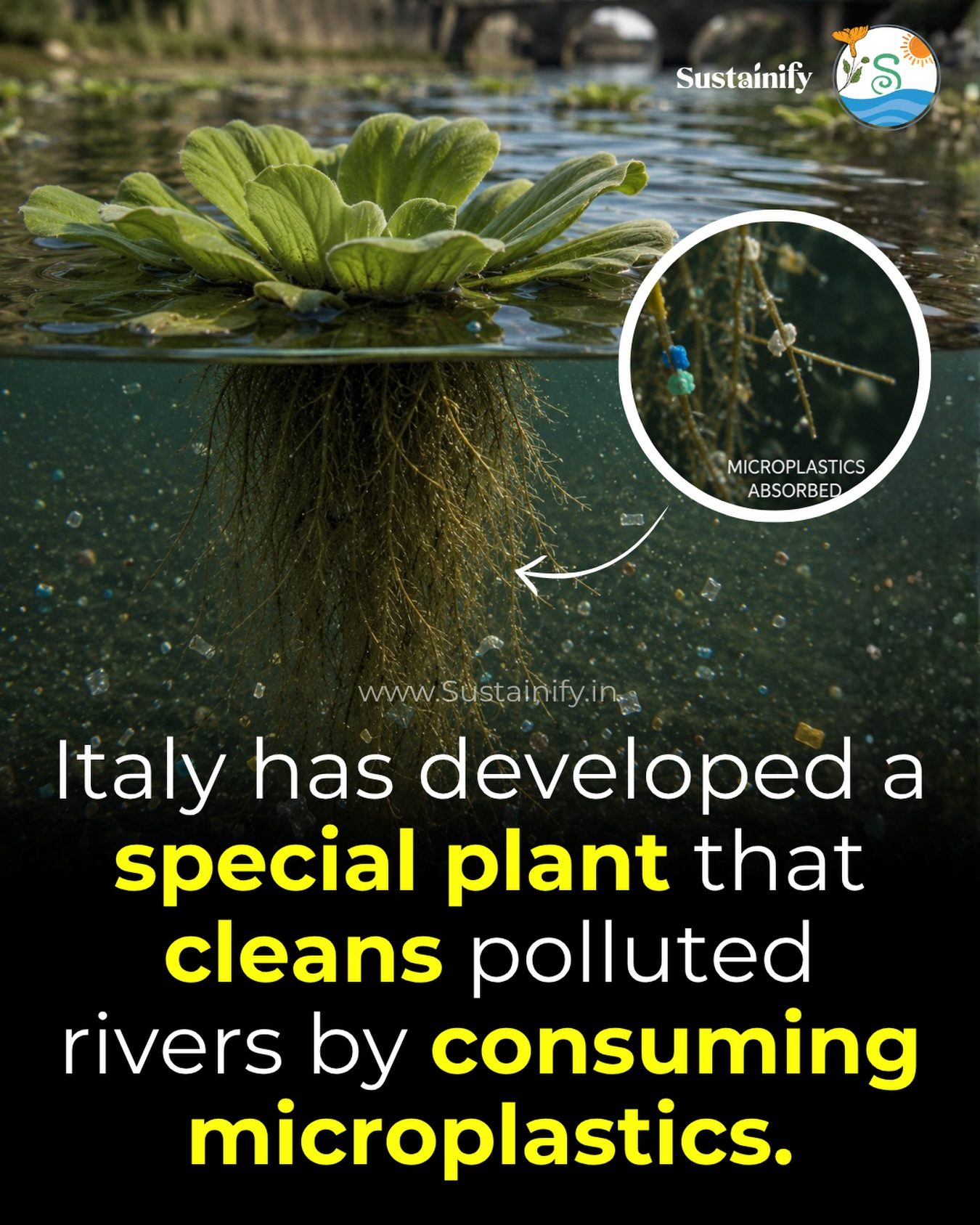
Microplastic Cleanup
Microplastics and toxic metals are increasingly polluting our waterways, posing significant threats to aquatic life, biodiversity, and human health. Traditional treatment systems often rely on costly infrastructure and energy-intensive processes. However, a promising nature-based solution is emerging: using floating aquatic plants to clean polluted water naturally. This method leverages the natural abilities of plants like water lettuce to absorb and trap contaminants through their extensive root systems.
Context: Why this matters
Water pollution is a global issue with far-reaching consequences. Microplastics, which are tiny plastic particles less than five millimeters in size, enter waterways through various sources, including industrial discharge, consumer waste, and agricultural runoff. These particles can accumulate in the environment, posing risks to aquatic organisms and human health.
Heavy metals, such as lead, mercury, and cadmium, also enter waterways through industrial activities and agricultural runoff. These toxins can bioaccumulate in aquatic organisms, leading to long-term health risks for both wildlife and humans.
Traditional water treatment methods, while effective, often require substantial financial and energy investments. Nature-based solutions, on the other hand, use the natural processes of plants and other organisms to clean water, offering a more sustainable and cost-effective approach.
Main discussion
The Problem: Microplastics and Heavy Metals in Waterways
Microplastics and toxic metals are pervasive in our water systems. They are not only unsightly but also pose significant risks to the environment and human health. Microplastics are particularly concerning because they are so small and can be ingested by aquatic organisms, entering the food chain and potentially affecting human health.
Heavy metals, such as lead and mercury, are no less concerning. They enter waterways primarily through industrial discharge and agricultural runoff. These toxins can accumulate in the tissues of fish and other aquatic animals, posing risks to both wildlife and humans who consume these contaminated organisms. Conventional treatment systems, while effective, can be costly and require significant energy inputs. This is why researchers are exploring nature-based solutions to tackle water pollution.
Nature-Based Solutions: The Role of Floating Aquatic Plants
Floating aquatic plants, such as water lettuce (Pistia stratiotes), offer a promising solution to the problem of water pollution. These plants have extensive root systems that can trap and absorb contaminants, including microplastics and heavy metals, from the water.
The natural process of using aquatic plants to clean water is known as phytoremediation. This process involves planting specific aquatic plants in contaminated water bodies, where they can absorb and accumulate toxins through their root systems. The plants can then be harvested and removed for controlled treatment, reducing the overall pollution load in the water.
Research on Aquatic Plants and Water Cleanup
Researchers have studied various aquatic plants for their ability to remove contaminants from water. Several studies have shown that water lettuce, for example, can effectively remove heavy metals such as lead, cadmium, and copper from contaminated water. The plants' long, fibrous roots absorb and trap the toxins, making the water cleaner and safer for aquatic life.
In addition to their ability to absorb heavy metals, aquatic plants can also trap and accumulate microplastics. Research has shown that microplastics can become entangled in the root systems of aquatic plants, reducing their presence in the water. This makes aquatic plants a valuable tool in the fight against water pollution.
The Special Plant from Italy
Italy has been at the forefront of research into using aquatic plants for water cleanup. Researchers there have developed a special plant that is said to consume a significant amount of microplastics, effectively reducing pollution in rivers. While the claims about this plant's effectiveness are still under review, the research highlights the potential of using aquatic plants for water cleanup. The plant is said to be a type of water lettuce, which is known for its ability to absorb and trap contaminants.
The Phytoremediation Process
The process of phytoremediation involves several steps. First, the aquatic plants are planted in the contaminated water body. As the plants grow, they absorb and accumulate toxins from the water. The roots of the plants trap and absorb contaminants, while the plant itself can also take up toxins through its leaves and stems. Once the plants have accumulated a significant amount of toxins, they can be harvested and removed from the water. The harvested plant material can then be treated in a controlled environment, reducing the overall pollution load in the water.
Practical Tips
Implementing Nature-Based Solutions
Implementing nature-based solutions for water cleanup involves several practical steps. The first step is to identify the specific contaminants present in the water. This can be done through water quality testing. Once the contaminants have been identified, the appropriate aquatic plants can be selected for phytoremediation. For example, water lettuce is a good choice for removing heavy metals and microplastics.
The plants should be planted in the contaminated water body, where they can grow and absorb toxins. It's important to plan the planting in a way that maximizes the plants' ability to absorb contaminants. This may involve planting the plants in areas where the water is stagnant or where there is less current, as this can help the plants to accumulate more toxins.
Regular monitoring and maintenance are also essential. The plants should be monitored for signs of stress or disease, and any affected plants should be removed. The harvested plant material should be disposed of safely and responsibly, ensuring that the toxins do not re-enter the environment.
Collaborating with Researchers and Environmental Organizations
Collaboration with researchers and environmental organizations can greatly enhance the effectiveness of nature-based water cleanup efforts. Researchers can provide valuable insights and expertise on the selection and implementation of aquatic plants for phytoremediation. Environmental organizations can offer resources and support for monitoring and maintenance, as well as for public outreach and education.
Local government agencies and policymakers also play a crucial role in supporting nature-based solutions. They can provide funding and policy support for phytoremediation projects, as well as for research and development of new technologies. Collaboration with these stakeholders can help ensure the long-term success and sustainability of nature-based water cleanup efforts.
Important Takeaways
The fight against water pollution is ongoing, and there is no one-size-fits-all solution. However, nature-based solutions offer a promising and sustainable approach to addressing this global challenge. By leveraging the natural abilities of aquatic plants, we can effectively clean contaminated water while minimizing environmental impact and costs.
Research into the use of aquatic plants for water cleanup is still ongoing, and new discoveries are being made all the time. The potential of these plants to remove heavy metals and microplastics from water is clear, and the benefits of using phytoremediation are many. By collaborating with researchers, environmental organizations, and policymakers, we can further develop and implement these solutions, creating a cleaner, healthier future for our waterways and the organisms that depend on them.
Conclusion
Nature-based solutions, such as using aquatic plants for water cleanup, offer a promising and sustainable approach to addressing water pollution. By leveraging the natural abilities of plants, we can effectively remove contaminants from water while minimizing environmental impact and costs.
The use of floating aquatic plants, such as water lettuce, is a valuable tool in the fight against water pollution. These plants can trap and absorb heavy metals and microplastics, making the water cleaner and safer for aquatic life and human health. As research into this area continues, the potential for nature-based solutions to address water pollution will only grow.
Watch the Reel
Questions readers ask
How do aquatic plants help in cleaning polluted rivers in Italy?
Aquatic plants like water lettuce act as natural filters, absorbing and trapping microplastics and heavy metals through their root systems. This process helps to purify the water, reducing pollutants that harm aquatic life and human health.
What are the benefits of using plants for river cleanup?
Using plants for river cleanup is a sustainable, cost-effective solution. This method reduces the need for expensive, energy-intensive treatment systems, making it an eco-friendly alternative for maintaining clean waterways.
Which plants are being used in Italy's river cleanup efforts?
Italy is testing several aquatic plants for their ability to clean rivers. One notable example is water lettuce, which has shown promise in absorbing and trapping pollutants, thereby improving water quality.
How do microplastics enter Italian rivers, and why is their removal important?
Microplastics enter Italian rivers through various sources, including industrial discharge and consumer waste. Removing them is crucial because they pose significant threats to aquatic life, biodiversity, and human health, making their cleanup a top priority.
What makes Italy's approach to river cleanup sustainable?
Italy's approach is sustainable because it relies on natural processes and plants that require minimal energy and resources. By using floating aquatic plants, Italy can maintain clean waterways without the need for expensive, energy-intensive infrastructure.
Can floating plants remove heavy metals from polluted rivers?
Yes, certain floating plants have the ability to absorb heavy metals from polluted water. This capability makes them a valuable tool in Italy's efforts to clean rivers contaminated with toxic metals, enhancing the overall environmental health.
How does Italy's use of plants for river cleanup contribute to environmental preservation?
By leveraging the natural abilities of aquatic plants to clean polluted water, Italy's approach reduces reliance on harmful, energy-intensive methods. This eco-friendly strategy promotes environmental preservation while mitigating the impacts of pollution on rivers and the ecosystems they support.
Related deep dives
Similar reads based on topic and creator.


Recent articles
Fresh deep dives from the latest Reels we unpacked.




Comments
Be the first to comment.