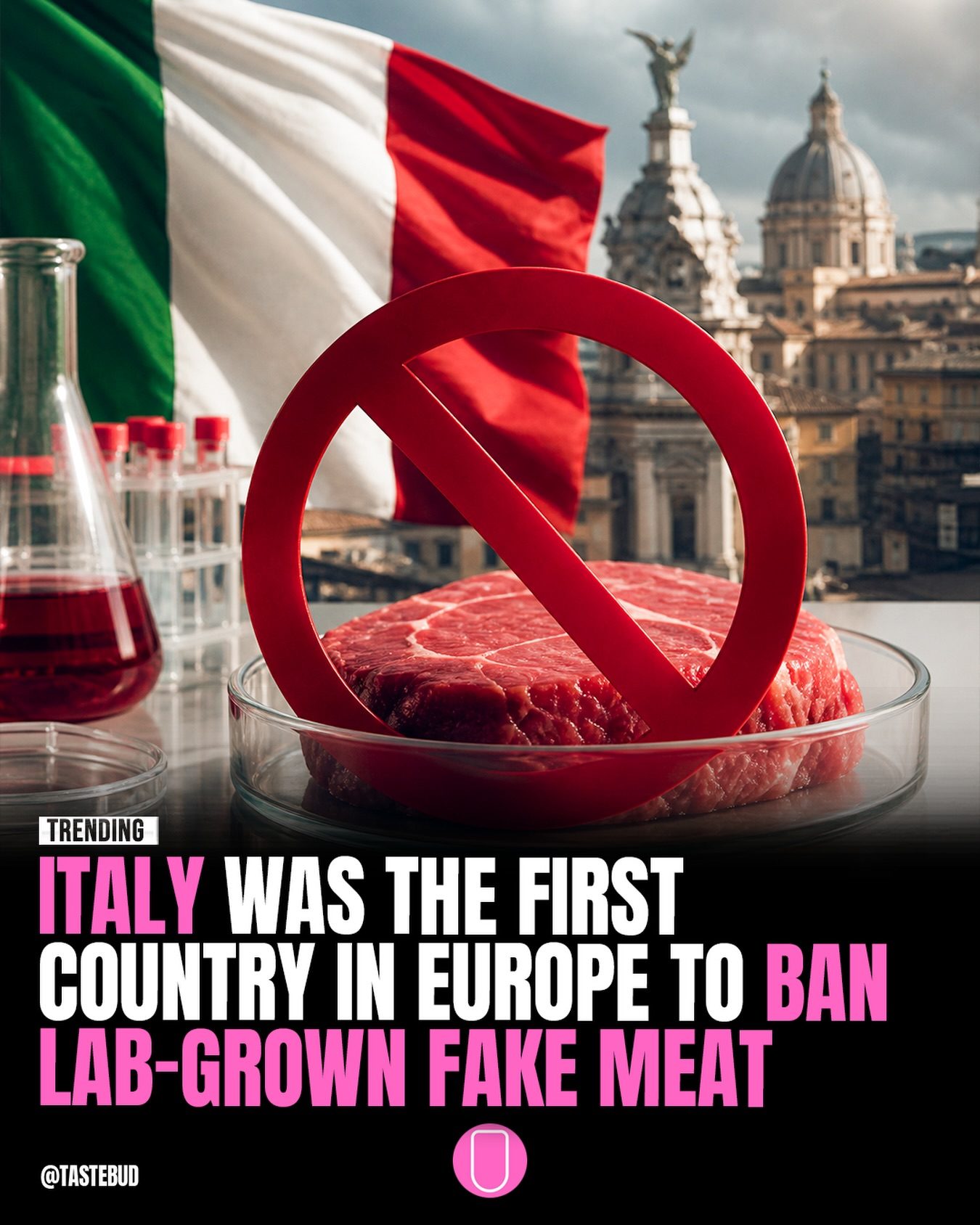
Lab-Grown Meat Ban in Italy
Italy has made headlines by becoming the first European country to impose a ban on lab-grown meat. This decision encompasses both the production and sale of cultured meat products, which are grown from animal cells in a laboratory setting. The move has sparked considerable debate and raises important questions about food safety, tradition, and environmental impact.
Context / Why This Matters
The ban on lab-grown meat in Italy is significant for several reasons. Firstly, it highlights the ongoing debate across Europe about the future of alternative proteins. Second, it sets a precedent for other countries considering similar regulations. Lastly, it reflects a clash between technological innovation and traditional food practices.
Lab-grown meat, also known as cultured meat, is produced by growing animal cells in a controlled environment. This process aims to address ethical concerns related to animal welfare and environmental sustainability. However, the ban in Italy underscores the complexities and challenges associated with this emerging technology.
Main Discussion
Food Safety Concerns
One of the primary reasons cited for the ban is food safety. Regulatory bodies in Italy have expressed concerns about the potential risks associated with consuming lab-grown meat. Unlike traditional meat, lab-grown meat involves novel production methods that require rigorous safety assessments. The unknowns surrounding the long-term effects of consuming cultured meat have led to caution among Italian officials.
Cultural and Traditional Factors
Italy has a rich culinary tradition deeply rooted in its cultural identity. The introduction of lab-grown meat poses a threat to this tradition, as it challenges the authenticity and heritage of Italian cuisine. The ban can be seen as a protective measure to preserve Italy’s culinary heritage and ensure that traditional meat products remain central to the country’s food culture.
Environmental Impact
The environmental impact of lab-grown meat is a contentious issue. Proponents argue that cultured meat could significantly reduce greenhouse gas emissions, land use, and water consumption compared to traditional livestock farming. However, critics point out that the production of lab-grown meat requires energy-intensive processes and may not be as environmentally friendly as initially thought. The ban in Italy reflects a cautious approach to assessing the true environmental benefits of lab-grown meat.
Economic Considerations
The ban also has economic implications for the food industry. Italy is home to a thriving food sector, and the introduction of lab-grown meat could disrupt existing markets and supply chains. The decision to block both the production and sale of cultured meat products aims to protect local farmers and food producers from potential economic challenges posed by this new technology.
Practical Tips
For those interested in the implications of the lab-grown meat ban, here are some practical tips to navigate this evolving landscape:
Stay Informed
Keep up-to-date with the latest developments in food technology and regulatory changes. Follow reliable sources for accurate information on lab-grown meat and its impact on the industry.
Engage in Dialogue
Participate in public discussions and debates about the future of alternative proteins. Share your thoughts and opinions with others to contribute to a well-informed dialogue.
Consider the Broader Context
Recognize that the ban on lab-grown meat in Italy is just one part of a broader conversation about food safety, tradition, and environmental sustainability. Consider how these factors intersect and influence each other in the context of the global food industry.
Important Takeaways
The ban on lab-grown meat in Italy serves as a reminder of the complexities involved in regulating new food technologies. It highlights the need for thorough assessments of food safety, cultural impact, and environmental considerations. The move also underscores the importance of preserving traditional food practices while embracing innovations in the food industry.
Conclusion
Italy's ban on lab-grown meat reflects a nuanced approach to integrating new technologies into its culinary landscape. By addressing concerns around food safety, tradition, and environmental impact, the decision sets a precedent for other countries grappling with similar challenges. Whether this move will influence policy in other parts of Europe remains to be seen, but it certainly adds a new layer to the ongoing debate about the future of alternative proteins.
Watch the Reel
Questions readers ask
Why did Italy decide to ban lab-grown meat?
Italy's decision to ban lab-grown meat is rooted in a desire to protect its rich culinary heritage and traditional food practices. The ban also reflects concerns about food safety and the potential impacts on the environment, as well as the broader debate surrounding the future of alternative proteins in Europe.
What exactly does Italy's ban on lab-grown meat cover?
Italy's ban encompasses both the production and sale of cultured meat products. This means that creating lab-grown meat in Italy is prohibited, as is selling it to consumers.
How does this ban affect the broader European conversation about alternative proteins?
By being the first European country to implement such a ban, Italy has set a significant precedent. Other countries considering similar regulations will likely look to Italy's decision as a reference point, influencing the broader debate about the role and regulation of alternative proteins across Europe.
Will this ban impact the taste and availability of meat products in Italy?
The ban specifically targets lab-grown meat, often referred to as 'fake' meat. Traditional meat products, those derived from livestock, will remain available. However, consumers interested in lab-grown meat for its potential environmental benefits or novelty will need to seek alternatives, as they won't be able to purchase these products in Italy.
What are the potential environmental impacts of lab-grown meat that Italy's ban addresses?
The ban addresses concerns about the environmental impact of lab-grown meat. While lab-grown meat is often promoted for its potential to reduce greenhouse gas emissions and land use compared to traditional livestock, the environmental impact of producing it at scale is still being studied. Italy’s ban reflects a cautious approach to these uncertainties.
How does Italy's food safety regulation influence this ban?
Italy's food safety regulations play a crucial role in the decision to ban lab-grown meat. The ban suggests that the country's regulatory bodies may not yet be satisfied with the safety standards and testing protocols for such products, which are still relatively new and evolving. Additionally, the long-term health impacts of consuming lab-grown meat are still under investigation, contributing to the ban.
Related deep dives
Similar reads based on topic and creator.



Recent articles
Fresh deep dives from the latest Reels we unpacked.




Comments
Be the first to comment.