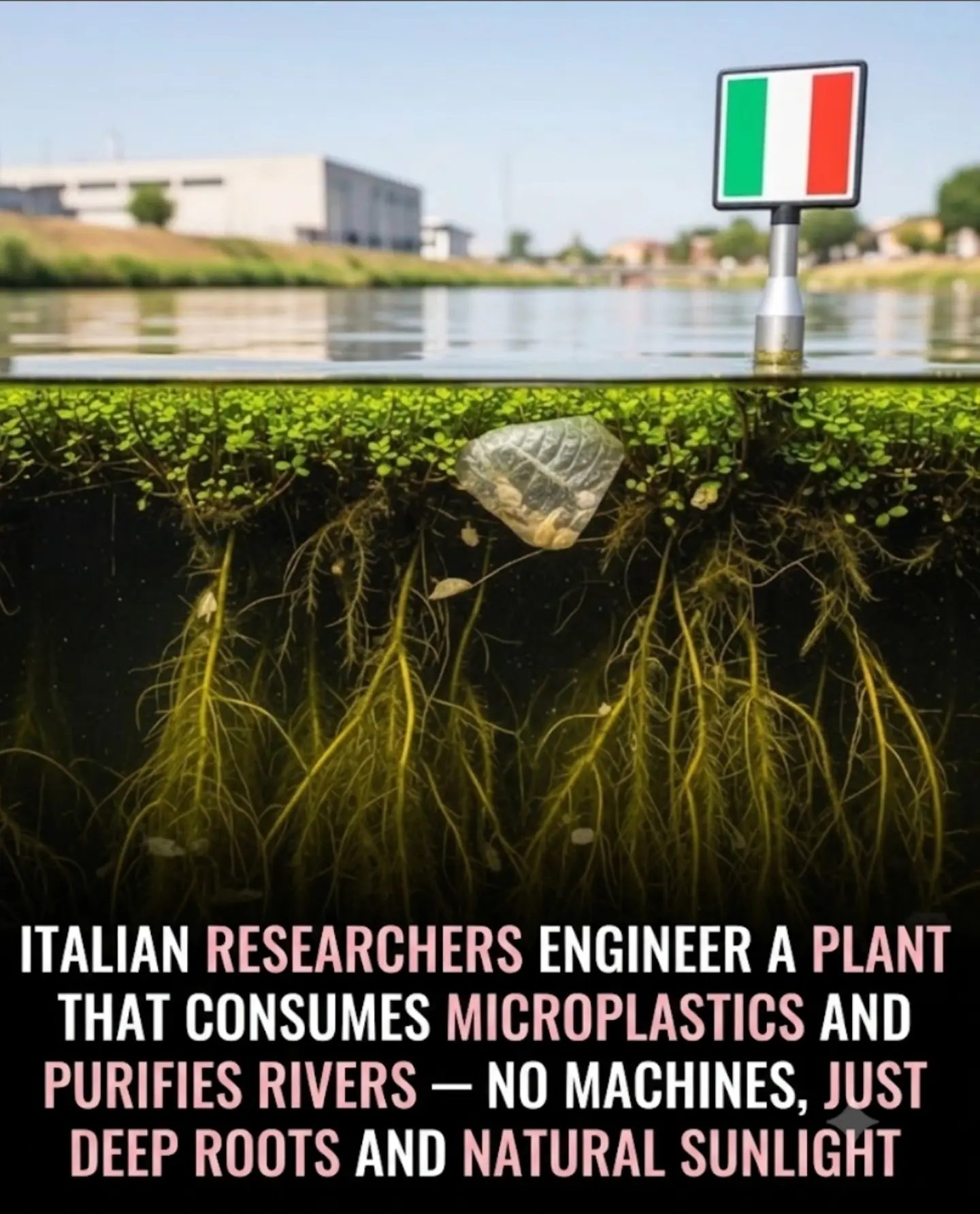
Microplastic Removal via Aquatic Plants
Italian researchers have developed a groundbreaking solution to combat plastic pollution in rivers. By engineering aquatic plants that consume microplastics, these scientists are paving the way for a more sustainable and natural approach to environmental cleanup. This innovation not only addresses the urgent issue of plastic pollution but also highlights the potential of biological solutions in environmental management.
Why This Matters
Plastic pollution is a growing global concern, with microplastics posing significant threats to aquatic ecosystems and human health. Traditional cleanup methods often rely on complex machinery and energy-intensive processes. The introduction of aquatic plants that can naturally absorb and trap microplastics offers a promising alternative. This approach leverages nature's own mechanisms, requiring only sunlight and the plants' biological processes, making it both cost-effective and environmentally friendly.
The Science Behind Plant-Powered Microplastic Removal
The Role of Aquatic Plants
Aquatic plants have long been recognized for their ability to filter and purify water. However, their capacity to absorb microplastics is a relatively new discovery. Italian researchers have identified specific species of aquatic plants that can take up microplastics from the surrounding water, trapping them within their tissues. This process effectively removes harmful particles from the water, making it cleaner and healthier for aquatic life.
The Process of Microplastic Absorption
The absorption of microplastics by aquatic plants involves several steps. First, the microplastics are suspended in the water, where they can come into contact with the plant's roots and other parts. The plants then absorb these particles, incorporating them into their tissues. This natural process does not require any additional chemicals or energy, making it a sustainable solution to plastic pollution.
The Benefits of Natural Cleanup
One of the most significant advantages of using aquatic plants for microplastic removal is the natural and sustainable approach. These plants rely on sunlight and their biological mechanisms to filter water, eliminating the need for energy-intensive machinery. This not only reduces the environmental impact of the cleanup process but also makes it more cost-effective, as it requires minimal resources.
Main Types of Aquatic Plants for Microplastic Removal
1. Water Hyacinth
The water hyacinth is a fast-growing aquatic plant that has shown promising results in absorbing microplastics. Its extensive root system and high growth rate make it an effective filter for contaminated water. Additionally, water hyacinths are known for their ability to absorb nutrients and other pollutants, further enhancing their role in water purification.
2. Duckweed
Duckweed is another aquatic plant that has been studied for its microplastic-absorbing capabilities. This small, floating plant forms dense mats on the water's surface, which can trap and absorb microplastics. Duckweed is also highly efficient in removing other contaminants, making it a valuable tool in water treatment.
3. Eelgrass
Eelgrass is a seagrass that grows in shallow coastal waters. Its extensive root system and ability to stabilize sediments make it an effective filter for microplastics. Eelgrass meadows provide essential habitats for many marine species, and their role in water purification further highlights the importance of preserving these ecosystems.
Practical Tips for Implementing Aquatic Plant-Based Cleanup
Site Selection
When implementing aquatic plant-based cleanup, it's crucial to select the right site. Areas with slow-moving or stagnant water are ideal, as they provide sufficient time for the plants to absorb microplastics. Additionally, ensure that the site is free from other significant pollutants that could disrupt the plants' natural processes.
Plant Selection
Choose aquatic plants that are well-suited to the local environment and known for their microplastic-absorbing capabilities. Consider factors such as growth rate, root depth, and nutrient requirements when selecting the plants. A mix of different plant species can provide a more comprehensive approach to water purification.
Monitoring and Maintenance
Regular monitoring of the aquatic plant populations is essential to ensure their health and effectiveness. Remove any dead or decaying plant material to prevent the release of harmful substances back into the water. Additionally, monitor water quality to assess the impact of the cleanup efforts.
Important Takeaways
Environmental Impact
Aquatic plants offer a sustainable and effective solution to microplastic pollution in rivers. By leveraging nature's own mechanisms, this approach reduces the environmental impact of traditional cleanup methods and promotes a more natural balance in aquatic ecosystems.
Cost-Effectiveness
The use of aquatic plants for microplastic removal is a cost-effective solution. These plants require minimal resources and rely on natural processes, making them a practical choice for long-term environmental management.
Future Potential
The success of aquatic plant-based cleanup methods opens up new possibilities for addressing other environmental challenges. This approach highlights the potential of biological solutions and encourages further research into nature-based innovations.
Conclusion
The engineering of aquatic plants that consume microplastics and purify rivers is a groundbreaking innovation in environmental science. By harnessing the power of nature, Italian researchers have developed a sustainable and effective solution to plastic pollution. This approach not only addresses the urgent issue of microplastic contamination but also provides a blueprint for future environmental solutions.
Watch the Reel
Questions readers ask
How do the engineered aquatic plants in Italy remove microplastics from rivers?
The engineered aquatic plants in Italy are designed to absorb and trap microplastics using natural biological processes. These plants use sunlight and their internal mechanisms to break down and contain microplastics, effectively cleaning the water.
What makes the Italian approach to microplastic removal sustainable?
This approach is sustainable because it leverages nature's own processes. By using aquatic plants, the method avoids the need for complex machinery and energy-intensive processes, making it a cost-effective and eco-friendly solution.
Are there specific types of aquatic plants used in this Italian research?
The article does not specify the exact types of aquatic plants used in the research. However, it mentions that Italian researchers have engineered these plants to consume microplastics, indicating a focus on plants that are naturally suited to aquatic environments and can be enhanced for this purpose.
Can this method be applied to other bodies of water besides rivers?
While the article focuses on rivers, the principle of using engineered aquatic plants to absorb microplastics could potentially be applied to other bodies of water, such as lakes and coastal areas. More research would be needed to adapt this method to different environments.
What are the benefits of using biological solutions for plastic pollution?
Biological solutions like engineered aquatic plants offer several benefits, including reduced dependence on machinery, lower energy consumption, and a more natural approach to environmental cleanup. These solutions can also be more cost-effective in the long run and have a smaller environmental footprint.
How does this Italian innovation address the global concern of microplastic pollution?
This innovation addresses the global concern by providing a natural and sustainable method to tackle microplastic pollution in waterways. By using aquatic plants, it offers a practical solution that can be integrated into ecosystems, helping to mitigate the harmful effects of microplastics on aquatic life and human health.
What role does sunlight play in the microplastic removal process by these aquatic plants?
Sunlight plays a crucial role in the process as it supports the biological mechanisms within the plants that break down and trap microplastics. The plants use photosynthetic processes to convert sunlight into energy, which powers their ability to absorb and contain the microplastics.
Related deep dives
Similar reads based on topic and creator.



Recent articles
Fresh deep dives from the latest Reels we unpacked.




Comments
Be the first to comment.