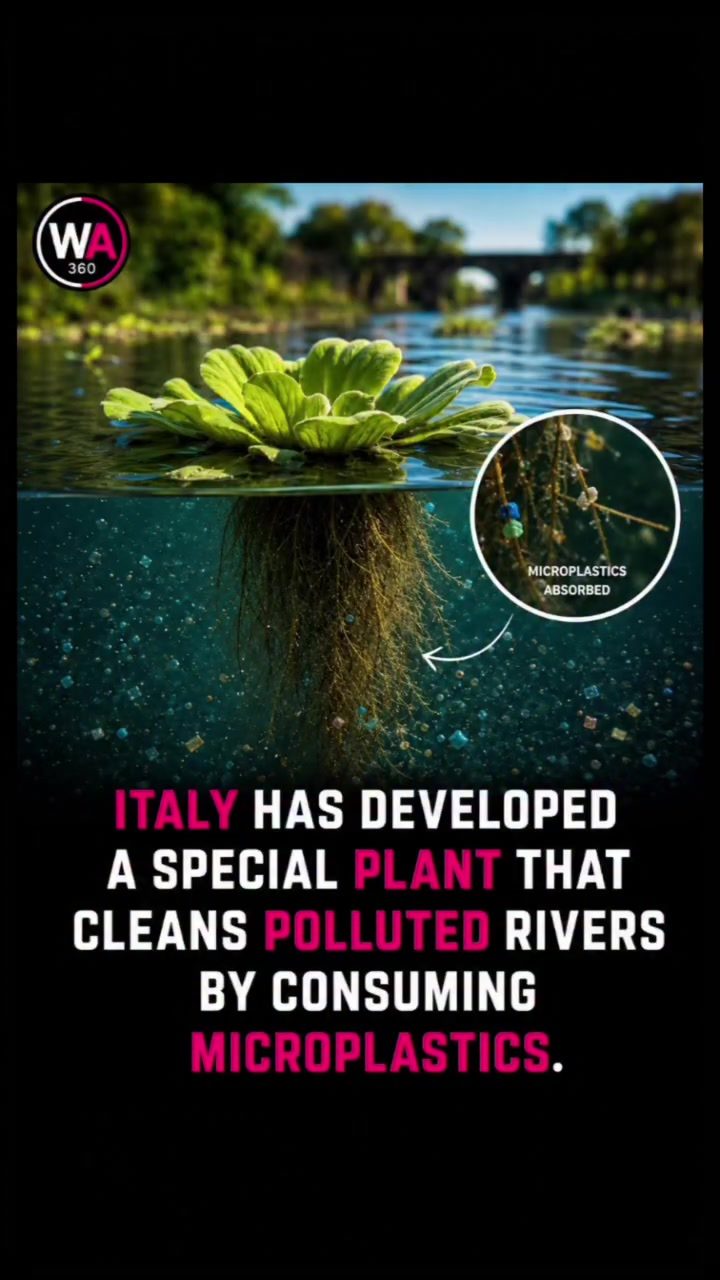
Microplastic-Absorbing Plants: A Green Innovation for Cleaner Rivers
The fight against river pollution has taken an intriguing turn with the development of microplastic-absorbing plants in Italy. These innovative plant-based solutions offer a promising approach to capturing and removing microplastics from polluted waterways, potentially leading to healthier ecosystems and cleaner rivers.
Why This Matters
Microplastics pose a significant threat to aquatic life and human health. These tiny plastic particles, often measuring less than five millimeters, can be ingested by marine animals and enter the human food chain through contaminated water sources. The cumulative impact of microplastics on biodiversity and ecosystem health is concerning, making innovative solutions like microplastic-absorbing plants critically important for environmental sustainability.
The Science Behind Microplastic-Absorbing Plants
Roots of Innovation
Researchers in Italy have been exploring the potential of special plants to absorb microplastics from polluted rivers. These plants are engineered to consume microplastics as part of their natural processes. The root system of these plants plays a crucial role in this process, acting as a filter that traps and breaks down microplastic particles.
The Absorption Process
The absorption of microplastics by these plants involves several mechanisms:
- Physical Trapping: The plant's root system acts as a physical barrier, trapping microplastics as water flows through it.
- Chemical Interaction: The roots release enzymes and other chemicals that break down the microplastic particles, converting them into less harmful substances.
- Biodegradation: The plant's biological processes further degrade the microplastics, making them safer for the environment.
Environmental Impact
This innovative approach has the potential to revolutionize river cleanup efforts. By harnessing the natural processes of plants, researchers can develop sustainable solutions that reduce the impact of microplastics on aquatic ecosystems. Cleaner rivers mean healthier habitats for aquatic life and a safer water supply for humans.
Practical Tips for Supporting Environmental Initiatives
Reduce Single-Use Plastics
One of the most effective ways to combat microplastic pollution is to reduce the use of single-use plastics. Opt for reusable bags, bottles, and containers to minimize the amount of plastic waste that ends up in rivers and oceans.
Improve Recycling
Ensure that recyclable materials are properly sorted and disposed of. Recycling not only reduces waste but also conserves natural resources and energy.
Support Eco-Friendly Initiatives
Participate in local cleanup efforts and support organizations that work towards environmental conservation. Every small action contributes to a larger movement for a cleaner, healthier planet.
Advocate for Policy Changes
Advocate for policies that promote the use of eco-friendly materials and stricter regulations on plastic waste management. Public awareness and collective action can drive meaningful change.
Important Takeaways
- Microplastic-absorbing plants offer a novel and effective way to clean polluted rivers.
- The root systems of these plants trap and degrade microplastics, reducing environmental pollution.
- Reducing single-use plastics, improving recycling, and supporting eco-friendly initiatives are essential steps in the fight against microplastic pollution.
- Collectively, these efforts can create lasting environmental change and protect biodiversity for future generations.
Conclusion
The development of microplastic-absorbing plants in Italy represents a significant step forward in the battle against river pollution. By leveraging the natural processes of plants, researchers are paving the way for sustainable solutions that can help clean our waterways and protect aquatic life. As we continue to explore innovative technologies and sustainable practices, we move closer to a future where our rivers are cleaner, our ecosystems are healthier, and our planet is preserved for generations to come.
Watch the Reel
Questions readers ask
What are microplastic-absorbing plants and how do they help in cleaning rivers?
Microplastic-absorbing plants are innovative, naturally occurring plants that have the ability to filter and break down microplastic particles from polluted waterways. They help in cleaning rivers by capturing these tiny plastic particles and potentially leading to healthier ecosystems with cleaner water.
Why are microplastics a significant threat to river ecosystems in Italy?
Microplastics are tiny plastic particles, often less than five millimeters in size, that can be ingested by aquatic animals and enter the human food chain. Their presence in rivers poses a threat to biodiversity and ecosystem health, making innovative solutions crucial for addressing this environmental challenge in Italy.
How does Italy's development of microplastic-absorbing plants contribute to sustainability efforts?
The development of microplastic-absorbing plants in Italy represents a significant step towards sustainability by providing a natural solution to an environmental threat. These plants offer a sustainable approach to reducing river pollution and improving the overall health of aquatic ecosystems, thereby contributing to a greener future.
What makes the use of microplastic-absorbing plants an innovative solution for river pollution in Italy?
The use of microplastic-absorbing plants is an innovative solution because it harnesses nature's ability to filter and break down microplastics. Unlike traditional pollution control methods, these plants offer a natural and potentially more effective way to clean rivers, making it a promising approach in the fight against microplastic pollution in Italy.
What are the potential benefits of utilizing plant-based solutions for cleaning rivers in Italy?
Utilizing plant-based solutions for cleaning rivers in Italy offers several benefits, including enhanced river water quality, improved aquatic life health, and a reduction in microplastic pollution. These plants can also contribute to the restoration of river ecosystems, promoting biodiversity and overall environmental well-being. Additionally, these solutions can be more eco-friendly and sustainable compared to traditional cleaning methods.
How do microplastic-absorbing plants compare to traditional river cleaning methods in Italy?
Microplastic-absorbing plants represent a natural and sustainable alternative to traditional river cleaning methods in Italy. These innovative plants can capture and break down microplastics, improving water quality and promoting healthier ecosystems. Traditional methods, on the other hand, often rely on mechanical processes that may not be as eco-friendly or effective in targeting microplastics.
Related deep dives
Similar reads based on topic and creator.



Recent articles
Fresh deep dives from the latest Reels we unpacked.




Comments
Be the first to comment.