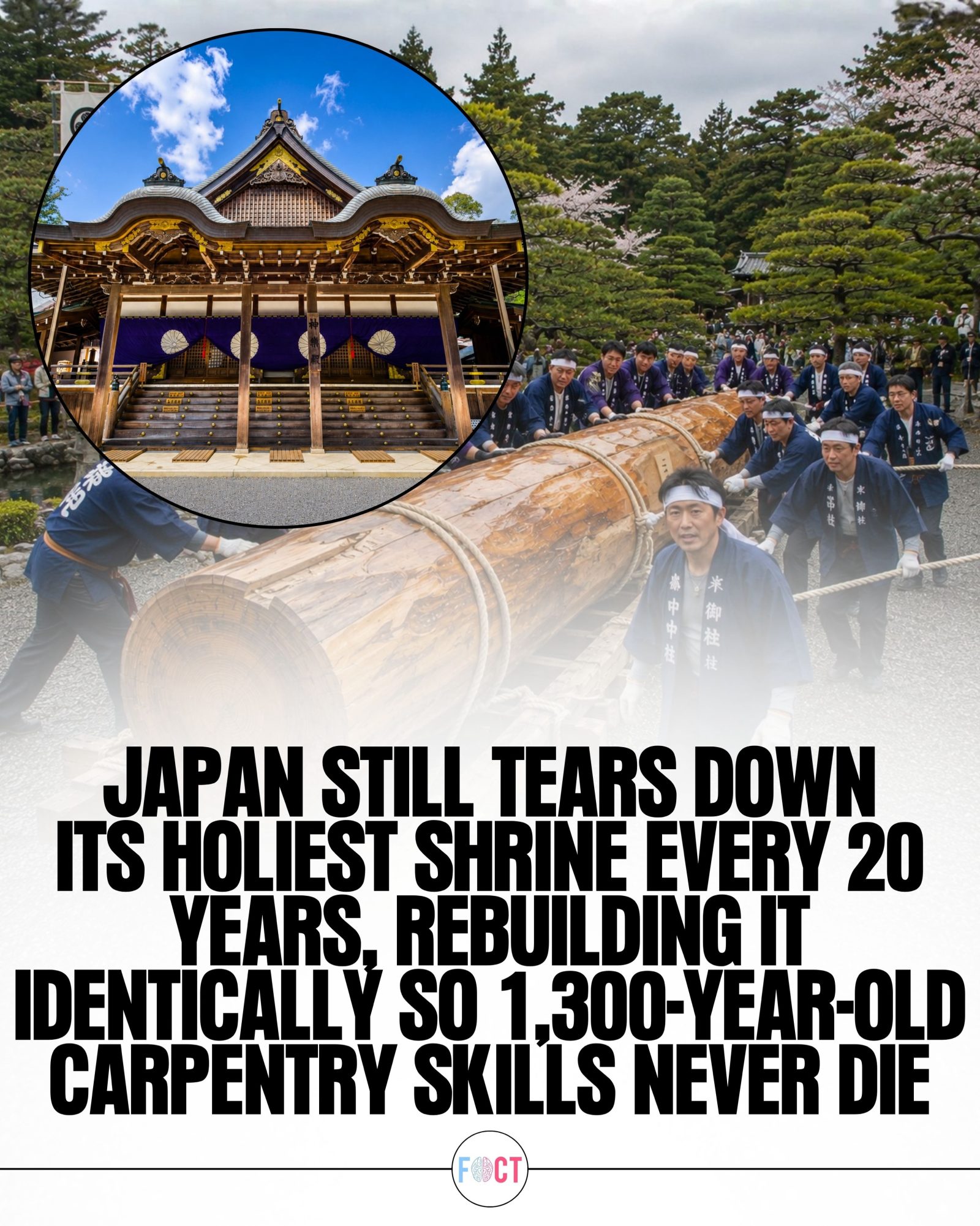
The Ise Grand Shrine: A Living Tradition of Carpentry and Preservation
The Ise Grand Shrine in Japan stands as a testament to one of the most remarkable traditions in architecture and craftsmanship. Every 20 years, this sacred site is meticulously dismantled and rebuilt on an adjacent plot, preserving ancient carpentry skills that date back over 1,300 years. This cycle of renewal is not merely about replacing an old structure; it's about maintaining a living tradition through continuous practice and skill transmission.
Why This Matters
The Ise Grand Shrine's ritualistic rebuilding is a unique blend of cultural preservation and architectural innovation. By repeating this process every two decades, carpentry techniques and other traditional skills are not only preserved but also passed down from one generation to the next. This continuous cycle ensures that the skills remain alive and relevant, even as the physical structure is renewed.
The Ritual of Rebuilding
The 20-Year Cycle
Every 20 years, the Ise Grand Shrine is carefully dismantled, piece by piece. Each component is meticulously labeled and stored, ensuring that the rebuilding process can begin with precision and accuracy. The new structure is constructed on an adjacent site using the same materials and techniques. This process is not just about construction; it's about the meticulous planning and dedication required to maintain the integrity of the shrine.
The Role of Carpentry Skills
The carpentry skills involved in this ritual are over 1,300 years old. They are a blend of art and science, requiring a deep understanding of wood, its properties, and the techniques needed to work with it. The carpenters, artisans, and priests involved in this process are not just builders; they are custodians of a tradition that has been passed down through generations.
The Role of Community
The process involves a large group of people, each with a specific role. From carrying heavy wooden components to ensuring the precise alignment of the structure, everyone plays a crucial part. This communal effort is a testament to the importance of collaboration and the collective responsibility of preserving cultural heritage.
The Process
The dismantling and rebuilding process is a meticulous one. Each beam, plank, and joinery piece is carefully removed and labeled, ensuring that the new structure can be rebuilt exactly as the old one. The use of traditional materials and techniques ensures that the integrity of the shrine is maintained. The process is a living example of how tradition and innovation can coexist.
Practical Tips for Understanding This Tradition
Visit the Shrine
Visiting the Ise Grand Shrine during the rebuilding process can be an enlightening experience. It offers a unique opportunity to witness ancient carpentry skills in action and understand the significance of this ritual. The shrine is open to the public, and guided tours are available.
Learn About Carpentry Techniques
If you're interested in traditional Japanese carpentry, the Ise Grand Shrine ritual is a great way to learn. Many workshops and demonstrations are available, offering hands-on experience with the techniques used in the rebuilding process. These workshops can provide a deeper understanding of the skills and the tools used.
Explore Japanese Cultural Heritage
The Ise Grand Shrine is not just a place of worship; it's a cultural heritage site. Exploring the surrounding area and its cultural significance can provide a deeper understanding of the traditions and practices of the region. The area is rich in history and offers numerous opportunities to delve into the customs and beliefs that have shaped the region over centuries.
Important Takeaways
The Ise Grand Shrine's 20-year rebuilding cycle is more than just a structural renovation; it's a living tradition that preserves ancient carpentry skills and ensures their continuity. This process involves the entire community, from carpenters to artisans to priests, each contributing to the preservation of a cultural heritage that has been in place for over 1,300 years.
Conclusion
The Ise Grand Shrine stands as a beacon of cultural preservation, showcasing how ancient traditions can be kept alive through repetition, discipline, and craftsmanship. The 20-year cycle of dismantling and rebuilding is a testament to the resilience and dedication of the community, ensuring that the skills and techniques remain vibrant and relevant for generations to come. Whether you're a history enthusiast, an architecture aficionado, or simply curious about traditional Japanese craftsmanship, the Ise Grand Shrine offers a unique and enriching experience.
Watch the Reel
Questions readers ask
Why does the Ise Grand Shrine undergo a rebuilding process every 20 years?
The Ise Grand Shrine undergoes a rebuilding process every 20 years to preserve ancient carpentry techniques and maintain the shrine's architectural integrity. This cycle also involves dismantling the existing structure and reconstructing it on an adjacent plot, fostering a continuous tradition of skill transmission.
What are some of the ancient carpentry techniques preserved at the Ise Grand Shrine?
The Ise Grand Shrine preserves a variety of ancient carpentry techniques, including the use of specific joinery methods, traditional tools, and meticulous construction practices that have been passed down for over 1,300 years.
How does the rebuilding process at the Ise Grand Shrine benefit future generations?
The 20-year rebuilding cycle ensures that future generations of craftsmen are trained in traditional carpentry skills, thereby maintaining the cultural heritage and architectural legacy of the shrine. This process fosters a sense of continuity and cultural identity.
What materials are primarily used in the construction of the Ise Grand Shrine?
The Ise Grand Shrine is primarily constructed using cypress wood, which is known for its durability and resistance to decay. The wood is carefully selected and processed using traditional methods, ensuring that the shrine's construction is both sturdy and aesthetically pleasing.
What is the role of skill transmission in the rebuilding process of the Ise Grand Shrine?
Skill transmission is crucial in the rebuilding process of the Ise Grand Shrine. It involves passing down carpentry techniques from master craftsmen to apprentices, ensuring that the traditional knowledge and skills are preserved and practiced over centuries.
In what way does the Ise Grand Shrine's reconstruction differ from typical renovation projects?
Unlike typical renovations, the Ise Grand Shrine's reconstruction involves a complete dismantling and rebuilding of the shrine on an adjacent site. This process is not about renovating an existing structure but rather about preserving and practicing ancient carpentry techniques through a continuous cycle of renewal.
What impact does the 20-year cycle have on the Ise Grand Shrine's architectural legacy?
The 20-year rebuilding cycle ensures that the Ise Grand Shrine's architectural legacy remains intact by continuously applying ancient carpentry techniques. This process not only maintains the shrine's structural integrity but also keeps its historical and cultural significance alive.
Related deep dives
Similar reads based on topic and creator.




Recent articles
Fresh deep dives from the latest Reels we unpacked.




Comments
Be the first to comment.