Wildlife Crossings in the Netherlands
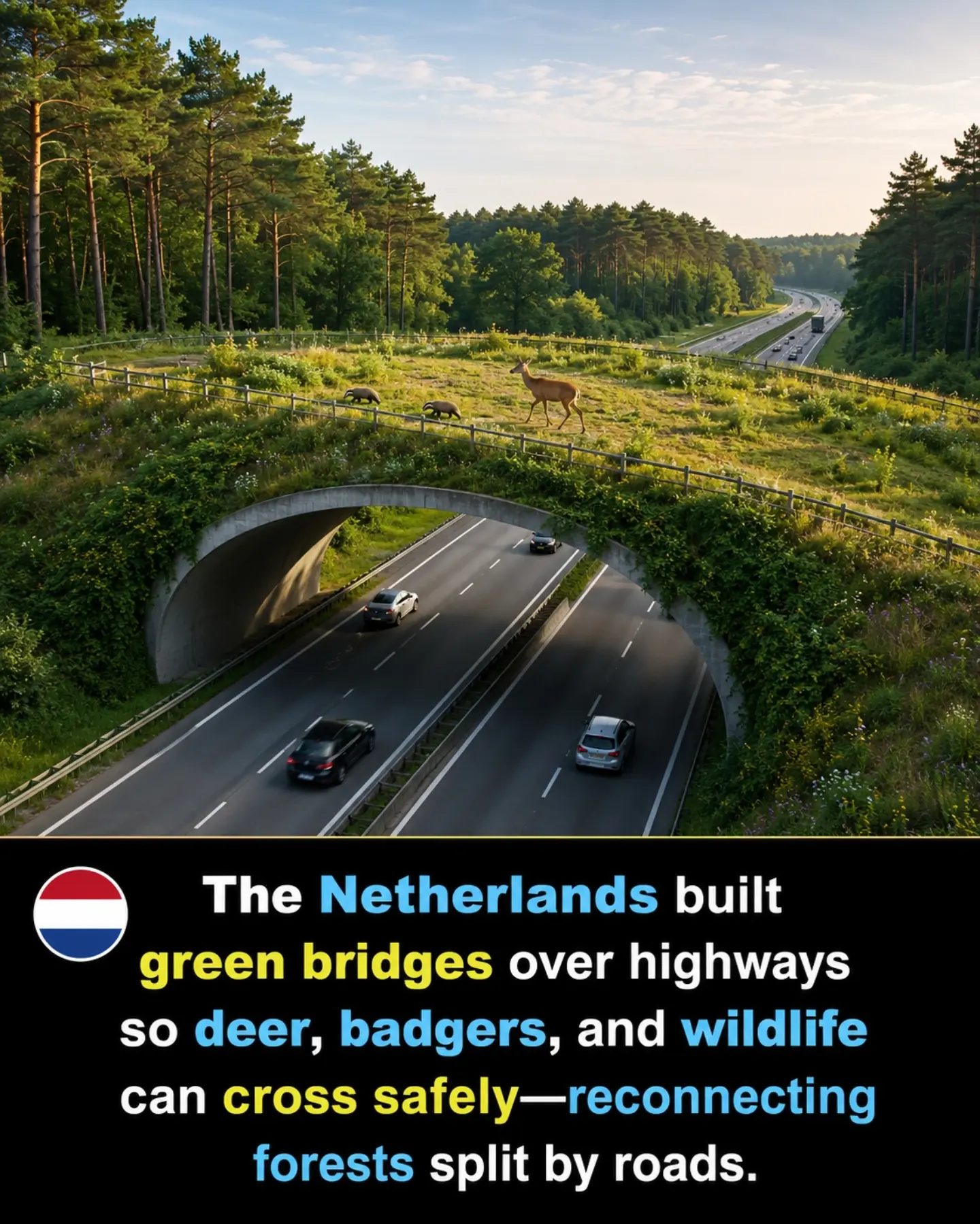
Wildlife crossings are an innovative approach to wildlife conservation and infrastructure design, addressing the growing problem of habitat fragmentation due to roads. These structures enable safe passage for animals, allowing them to cross busy highways without risking their lives. The Netherlands has taken a significant step in this domain by building green bridges over highways, providing a lifeline for species like deer, badgers, and other wildlife.
Why This Matters
The Netherlands' green bridges are more than just a passing trend; they are a crucial response to a pressing issue. Roads and highways, while essential for human transportation, often divide and isolate animal habitats, leading to increased animal-vehicle collisions and disrupted ecosystems. Wildlife crossings, including green bridges, help mitigate these problems by providing safe passage for animals, thereby reducing roadkill and maintaining ecological balance.
Green Bridges: Design and Function
Purpose and Construction
The green bridges in the Netherlands are designed to resemble natural landscapes, making them inviting for animals to cross. These structures span highways, reconnecting fragmented forests. Constructed with vegetation and natural materials, they create a seamless transition for wildlife between habitat areas that have been divided by roads.
Benefits for Wildlife
These green bridges offer significant benefits for wildlife:
- Safe Passage: The primary benefit is the reduction of wildlife-vehicle collisions, which are a major cause of animal fatalities. By providing a safe route across roads, these bridges significantly decrease the risk of animals being hit by cars.
- Habitat Reconnection: These bridges help reconnect divided habitats, allowing animals to move between forests and maintain their natural behaviors, such as foraging, mating, and migration.
- Ecosystem Integrity: By enabling the safe movement of animals, these structures contribute to the overall health of ecosystems. They support biodiversity and help maintain genetic diversity within species by facilitating gene flow.
Innovations in Wildlife Conservation
Integration with Infrastructure
The green bridges in the Netherlands demonstrate how infrastructure can be designed to coexist with wildlife. By integrating wildlife-friendly structures into road planning, we can address the needs of both humans and animals, fostering a more harmonious coexistence.
Public Awareness and Support
The visible success of these green bridges has raised awareness about the importance of wildlife conservation. They serve as a powerful example of how human engineering can be adapted to benefit wildlife, encouraging broader public and political support for such initiatives.
Practical Tips for Building Wildlife Crossings
Location and Design
Selecting the right location for wildlife crossings is crucial. Ideally, these structures should be placed where wildlife movement is most frequent and where roadkill incidents are highest. The design should mimic natural habitats to make animals feel comfortable crossing.
Materials and Vegetation
Use natural materials and vegetation to construct the bridges. This not only makes them more inviting for wildlife but also helps them blend into the surrounding environment. Native plants and trees should be used to ensure that the bridge supports local ecosystems.
Monitoring and Maintenance
Regular monitoring is essential to ensure that the wildlife crossings are being used effectively. This can be done through camera traps and wildlife tracking. Maintenance is also key to keeping these structures safe and functional over time.
Important Takeaways
Wildlife crossings, including green bridges, are a critical solution to habitat fragmentation and roadkill. They offer significant benefits for both wildlife and humans by reducing collisions and maintaining ecological balance. The Netherlands' green bridges serve as a model for integrating wildlife-friendly infrastructure into modern road planning. By learning from these examples and implementing similar initiatives, we can create a more harmonious coexistence between humans and wildlife.
Conclusion
As urbanization and road networks continue to expand, the need for wildlife crossings becomes increasingly pressing. The Netherlands' green bridges are a shining example of how innovative engineering can support wildlife conservation. By building structures that allow animals to move safely across roads, we can protect biodiversity and maintain the health of our ecosystems. Whether through green bridges, tunnels, or other wildlife-friendly designs, integrating these solutions into our infrastructure is a step towards a more sustainable future.
Watch the Reel
Questions readers ask
What are wildlife bridges and why are they important in the Netherlands?
Wildlife bridges are structures built over highways to provide safe passages for animals. In the Netherlands, they are crucial for mitigating habitat fragmentation caused by roads, ensuring the safety of animals like deer and badgers, and maintaining ecological balance.
How do the green bridges in the Netherlands help wildlife?
These green bridges mimic natural landscapes, allowing animals to cross busy roads without encountering vehicles. This design helps reduce animal-vehicle collisions and maintains the connectivity of habitats, which is essential for the survival and movement of various species.
What types of animals benefit from these wildlife crossings?
Animals such as deer and badgers significantly benefit from these crossings. The bridges provide them with safe routes to traverse human-made barriers, ensuring their safety and allowing them to move between different parts of their habitats.
How do wildlife bridges contribute to sustainable infrastructure?
Wildlife bridges contribute to sustainable infrastructure by integrating nature into road design. They help reduce wildlife fatalities and minimize disruptions to animal habitats, promoting a harmonious coexistence between human transportation needs and wildlife conservation.
What is the significance of wildlife bridges in addressing habitat fragmentation?
Wildlife bridges play a critical role in addressing habitat fragmentation by providing continuous pathways for animals to travel safely across roads. This ensures that animals can access food, water, and mates, thereby maintaining the health and diversity of wildlife populations.
Are there specific design features that make Dutch green bridges effective?
Yes, Dutch green bridges are designed to blend seamlessly with the natural environment, featuring vegetation and natural materials. This design encourages animals to use the bridges, as they feel more secure and less likely to encounter human-made obstacles.
What are some of the benefits of green bridges for human populations?
Green bridges not only protect wildlife but also reduce the risk of animal-vehicle collisions, which can cause human injuries and vehicle damage. Additionally, these bridges help maintain a healthy ecosystem, which can have broader benefits for human health and environmental sustainability.
Related deep dives
Similar reads based on topic and creator.


Recent articles
Fresh deep dives from the latest Reels we unpacked.




Comments
Be the first to comment.