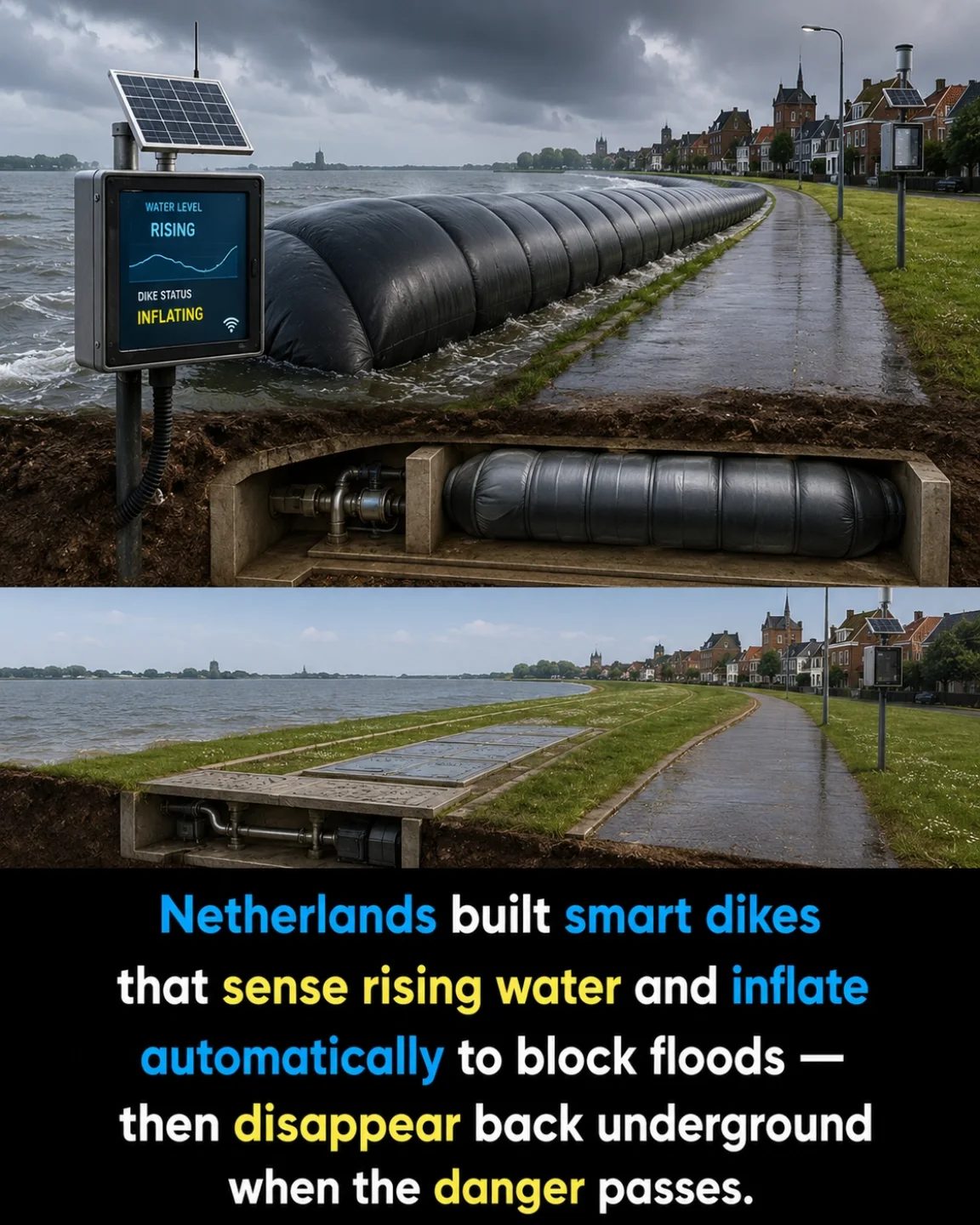
Smart Flood Defense Systems: Innovative Protection for the Netherlands
The Netherlands has long been at the forefront of flood management, given its geographical position and the ever-present threat of rising water levels. Recent advancements have taken this to the next level with the introduction of smart flood defense systems. These systems are designed to automatically detect and respond to rising water levels, offering a proactive and efficient solution to flood protection.
Context: Why This Matters
The Netherlands, with its extensive coastline and numerous rivers, faces significant risks from both sea and river flooding. Traditional methods of flood management, while effective to some extent, often lack the flexibility and speed needed to respond to rapidly changing water levels. Smart flood defense systems address these challenges by leveraging modern technology to provide a more dynamic and responsive approach to flood protection.
Main Discussion
How Smart Flood Defense Systems Work
Smart flood defense systems are engineered to respond to rising water levels with minimal human intervention. These systems are built into the ground and remain unobtrusive during normal conditions. When water levels start to rise, sensors detect the change and trigger the deployment of inflatable barriers. These barriers inflate automatically to form a barrier that blocks the flow of water, protecting the area from flooding.
The Role of Inflatable Barriers
Inflatable barriers are a critical component of these systems. They are designed to be highly flexible and can quickly adapt to various shapes and sizes. When the threat of flooding subsides, the barriers deflate and retract back underground, leaving the landscape unchanged. This seamless retraction ensures that the system remains unobtrusive and does not disrupt daily life or the environment.
Automation and Efficiency
One of the standout features of these smart systems is their automation. By relying on sensors and automated mechanisms, the systems can respond to changing water levels in real-time. This automated response ensures that the barriers are deployed as soon as there is a threat, providing a swift and effective defense against flooding. Automation also reduces the need for constant monitoring and human intervention, making the system more efficient and cost-effective.
Environmental Impact
The unobtrusive and automated nature of these systems has significant environmental benefits. By minimizing human intervention and reducing the need for constant maintenance, these systems help preserve the natural landscape. Additionally, the barriers are designed to be eco-friendly and do not cause harm to the local flora and fauna.
Practical Tips
Monitoring and Maintenance
While the system is largely automated, periodic monitoring and maintenance are essential to ensure its effectiveness. Regular checks on the sensors and barriers can prevent potential failures and ensure that the system is always ready to respond to threats.
Community Involvement
Local communities can play a crucial role in the success of these systems. By staying informed about the system's operation and being prepared for potential deployments, communities can contribute to a quicker and more efficient response to floods. Educating the public about the system's benefits and how it works can help build community support and readiness.
Integrating with Other Defenses
Smart flood defense systems should be integrated with other traditional flood management strategies for maximum effectiveness. This includes maintaining and upgrading existing dikes, levees, and drainage systems. A comprehensive approach to flood management ensures that all potential threats are addressed.
Important Takeaways
The introduction of smart flood defense systems in the Netherlands represents a significant advancement in flood management. These systems offer a proactive, automated, and unobtrusive solution to the challenges posed by rising water levels. By leveraging technology and automation, these systems provide a more efficient and effective way to protect communities and the environment.
Conclusion
Smart flood defense systems in the Netherlands are a testament to the country's commitment to innovative and effective flood management. These systems, with their automated response mechanisms and unobtrusive design, offer a modern solution to a longstanding problem. By integrating these systems with existing flood management strategies, the Netherlands can continue to lead the way in protecting its communities and environment from the impacts of rising water levels.
Watch the Reel
Questions readers ask
What are smart flood defense systems and how do they work?
Smart flood defense systems are advanced flood management technologies used in the Netherlands. These systems use sensors and automated mechanisms to detect rising water levels. They respond with measures like inflating barriers to prevent flooding. This automatic response enhances the Netherlands' ability to protect against floods.
Why is the Netherlands investing in smart flood defense systems?
The Netherlands is particularly vulnerable to flooding due to its low-lying geography. The country is investing in smart flood defense systems to provide a more proactive and efficient solution to its flood protection needs. These systems aim to mitigate the risks posed by both sea and river flooding, which are exacerbated by rising water levels.
What are automatic inflatable barriers and how do they help in flood protection?
Automatic inflatable barriers are a key component of the Netherlands' smart flood defense systems. These barriers are designed to inflate automatically when water levels rise, creating a quick and effective barrier against flooding. Unlike traditional flood defenses, they offer a rapid response, which is crucial for protecting against rapidly changing water levels.
How do smart dike technologies differ from traditional flood management methods?
Smart dike technologies differ from traditional methods in their use of automated and sensor-based systems. While traditional methods may rely on manual interventions and fixed structures, smart dikes can automatically adjust to changing conditions. This allows for more flexibility and responsiveness, enhancing overall flood protection.
What benefits do smart flood defense systems provide to the Netherlands?
Smart flood defense systems provide numerous benefits, including enhanced flood protection, rapid response to rising water levels, and reduced need for manual intervention. By automatically detecting and mitigating flood risks, these systems help to safeguard communities and infrastructure from the devastating impacts of flooding.
What are underground flood barriers and how are they deployed in the Netherlands?
Underground flood barriers are another innovative component of the Netherlands' smart flood defense systems. These barriers are installed beneath the surface and can be quickly raised when needed. They provide a discreet and effective means of flood protection, seamlessly integrating with the environment until activated.
Can smart flood defense systems be implemented in other countries?
Yes, the technology and principles behind smart flood defense systems can be adapted for use in other countries facing similar flood risks. The key is to tailor the systems to the specific geographical and environmental conditions of each location. This approach can help other nations enhance their flood protection capabilities and mitigate the impacts of rising water levels.
Related deep dives
Similar reads based on topic and creator.




Recent articles
Fresh deep dives from the latest Reels we unpacked.




Comments
Be the first to comment.