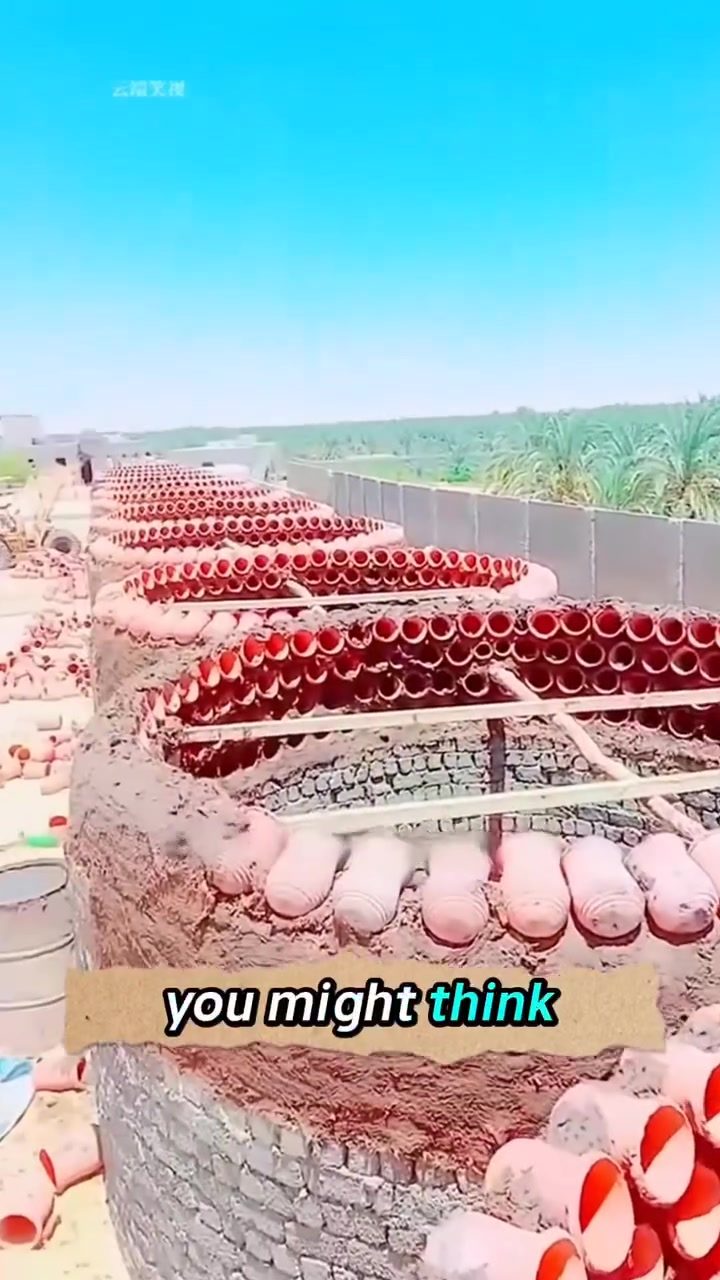
Pot Making in Rural Egypt
Rural Egypt is home to an unusual architectural marvel: the pigeon tower. These structures, built from mud and filled with hundreds of clay pots, serve a unique purpose that benefits local farmers. These towers, also known as pigeon towers, are not designed for human habitation but rather as housing for pigeons.
Why It Matters
Any discussion of pigeon towers in rural Egypt must address the ingenious design of these structures. Each small hole in the tower functions as a miniature apartment for a bird. The design is remarkably efficient, allowing air to flow naturally through the gaps. This natural ventilation keeps the inside cool, even during the hottest periods. This design is crucial for maintaining a comfortable environment for the pigeons, which in turn supports the tower's primary function: producing valuable natural fertilizer.
The Unique Design and Function
Crafting the Towers
Pigeon towers in rural Egypt are constructed from mud, a readily available material in the region. The process begins with the creation of clay pots, which are then arranged in a way that forms the tower's structure. Craftsmanship is a critical aspect of this process, with artisans carefully assembling the pots to ensure the tower's stability and functionality.
The Natural Cooling System
One of the most impressive features of these towers is their natural cooling system. The design allows air to flow freely through the gaps between the pots, creating a natural ventilation system. This is particularly beneficial in the hot climate of rural Egypt, where temperatures can soar. The natural airflow keeps the interior of the tower cool, providing a comfortable environment for the pigeons.
The Pigeons and Their Droppings
While the pigeons themselves are not the primary source of income for the farmers, their droppings are highly valuable. These droppings are sold as natural fertilizer, which is highly sought after for its nutrient-rich properties. The droppings help to enhance soil fertility, promoting the growth of crops and boosting agricultural yields. In this system, the pigons are a crucial component of the ecosystem, contributing to the overall sustainability of the farming practices in the region.
Practical Tips for Crafting and Using Pigeon Towers
Choosing the Right Materials
When building a pigeon tower, the choice of materials is crucial. Mud is a popular choice in rural Egypt due to its availability and durability. The clay pots used in the construction should be of high quality to ensure they can withstand the elements and the weight of the structure. When it comes to clay pots, sourcing locally made products is a key to success.
Design Considerations
The design of the tower should focus on maximizing airflow while providing adequate space for the pigeons. Each small hole should be designed to accommodate a single bird, ensuring that the pigeons have enough room to nest and breed. The arrangement of the pots should allow for natural ventilation, keeping the interior cool and comfortable for the pigeons. The layout should be open enough to allow for easy access and maintenance, ensuring that the tower remains functional over time.
Maintenance
Regular maintenance is essential for keeping the tower in good condition. This includes checking the integrity of the structure, ensuring the pots are securely in place, and repairing any damage that may occur. In addition, it's important to monitor the pigeon population to ensure that the tower remains a suitable habitat for the birds.
Important Takeaways
- Natural Ventilation: The design of pigeon towers in rural Egypt allows for natural ventilation, keeping the interior cool and comfortable for the pigeons.
- Craftsmanship: The construction process requires significant skill and attention to detail, with artisans carefully arranging the clay pots to form the tower's structure.
- Economic Value: While the pigeons themselves are not the primary source of income, their droppings are a valuable commodity, sold as natural fertilizer for crops.
Conclusion
Pigeon towers in rural Egypt are a testament to the ingenuity and resourcefulness of local farmers. By creating these structures, farmers not only provide a home for pigeons but also generate a valuable natural fertilizer that supports agricultural activities. The design of these towers, with their natural cooling system and efficient use of materials, makes them a sustainable and practical solution for farming in the region.
Watch the Reel
Questions readers ask
What are pigeon towers and where are they primarily found?
Pigeon towers are architecturally unique structures found in rural Egypt. They are designed specifically to house pigeons and are constructed using mud and filled with clay pots. These towers are not intended for human habitation but play a crucial role in the local farming ecosystem.
How do pigeon towers benefit local farmers in Egypt?
Pigeon towers benefit local farmers by producing a steady supply of natural fertilizer. The pigeons' droppings, collected from the towers, are highly valuable. This fertilizer supports agricultural activities, enhancing crop yields and overall productivity.
What makes the design of pigeon towers so innovative?
The design of pigeon towers is innovative due to their natural ventilation system. Each tower is filled with gaps between the clay pots, allowing air to flow freely. This keeps the interior cool, providing a comfortable environment for the pigeons, even during hot periods.
How do pigeon towers contribute to local economies in rural Egypt?
Pigeon towers contribute to local economies by generating income for farmers. The natural fertilizer produced from the pigeons' droppings can be sold, providing an additional revenue stream. This makes pigeon towers a valuable asset for farmers looking to diversify their income sources.
What are pigeon towers made of and how are they constructed?
Pigeon towers in rural Egypt are primarily made of mud and filled with hundreds of clay pots. The construction involves building the tower with small holes that serve as individual pigeon dwellings. This design not only houses the pigeons but also facilitates natural air circulation, keeping the towers cool.
Why is natural ventilation important in pigeon towers?
Natural ventilation is crucial in pigeon towers because it maintains a comfortable environment for the pigeons. The design allows air to flow through the gaps between the clay pots, preventing the towers from becoming too hot. This ensures the health and productivity of the pigeons, which in turn maximizes the production of natural fertilizer.
What role do pigeon towers play in sustainable agriculture in Egypt?
Pigeon towers play a significant role in sustainable agriculture by providing a natural source of fertilizer. The droppings collected from the towers are rich in nutrients, which can be used to enhance soil fertility. This reduces the need for synthetic fertilizers, promoting more environmentally friendly farming practices.
Related deep dives
Similar reads based on topic and creator.




Recent articles
Fresh deep dives from the latest Reels we unpacked.




Comments
Be the first to comment.