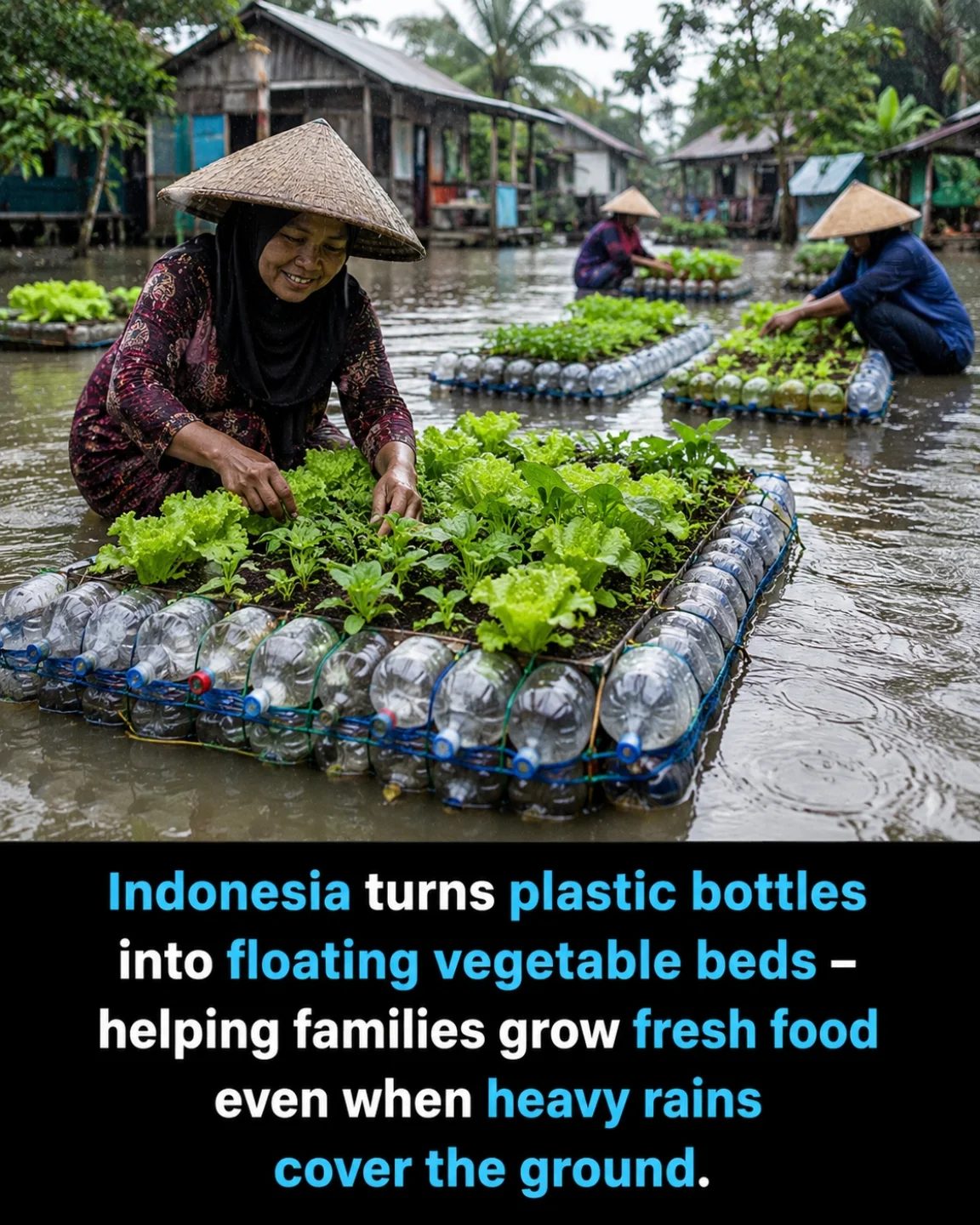
Floating Vegetable Gardens: A Sustainable Solution for Flood-Prone Areas
Floating vegetable gardens, particularly those created from repurposed plastic bottles, offer a creative and sustainable solution for families living in flood-prone areas. This innovative technique allows for continuous food production even when heavy rains inundate the ground, ensuring fresh produce remains available.
Why This Matters
In regions where flooding is a recurring problem, traditional farming methods often fall short. Floods can wash away soil, destroy crops, and leave families without a reliable food source. Floating vegetable gardens address this challenge by elevating the growing beds above the water level, making them resilient to rising water. This method not only ensures food security but also promotes sustainable living by repurposing waste materials like plastic bottles.
The Technique
Repurposing Plastic Bottles
The heart of this method lies in the use of plastic bottles. These bottles are typically discarded after use, contributing to environmental pollution. However, by cutting the bottoms off and filling them with soil, these plastic containers are transformed into mini floating gardens. The air trapped inside the bottles provides buoyancy, keeping the gardens afloat even when the water level rises.
Plant Selection and Maintenance
Leafy greens are the primary plants grown in these floating beds. Vegetables like lettuce, kale, and spinach thrive in this environment due to their shallow root systems and relatively low nutrient requirements. Tending to these gardens involves regular watering, fertilizing, and pruning, much like traditional gardening. The key difference is that the gardener must navigate the floating beds, often using simple rafts or boats to access the plants.
Benefits of Floating Vegetable Gardens
Sustainability
Floating vegetable gardens embody sustainability in multiple ways. Firstly, they repurpose plastic waste, reducing environmental pollution. Secondly, they promote local food production, reducing the need for imported produce and thereby lowering the carbon footprint. Finally, these gardens can help mitigate the effects of climate change by providing a resilient food source in areas prone to flooding.
Economic Benefits
For families in flood-prone areas, these gardens offer an economic lifeline. Fresh produce can be sold at local markets, providing an additional income stream. Additionally, the ability to grow food locally reduces dependency on external food suppliers, helping families save money.
Practical Tips for Creating Your Own Floating Garden
To create your own floating vegetable garden, consider the following steps:
- Gather Materials: Collect plastic bottles, soil, and seeds or seedlings for leafy greens.
- Prepare the Bottles: Cut the bottoms off the bottles and fill them with soil.
- Plant the Seeds: Plant your seeds or seedlings in the soil-filled bottles.
- Place in Water: Float the prepared bottles in a body of water, ensuring they are stable and buoyant.
- Maintain the Garden: Regularly water, fertilize, and prune your plants to ensure healthy growth.
Important Takeaways
- Floating vegetable gardens offer a sustainable solution for food production in flood-prone areas.
- Repurposing plastic bottles reduces environmental pollution while providing a buoyant base for the gardens.
- Leafy greens are ideal for these gardens due to their shallow root systems and low nutrient needs.
- Regular maintenance is essential for healthy plant growth and a bountiful harvest.
- These gardens provide economic benefits by allowing families to grow and sell fresh produce locally.
Conclusion
Floating vegetable gardens are a testament to human ingenuity and adaptability. By leveraging simple materials and innovative techniques, families in flood-prone areas can ensure a steady supply of fresh food, even in the face of challenging environmental conditions. This method not only addresses immediate food security issues but also contributes to long-term sustainability by repurposing waste and promoting local agriculture.
Watch the Reel
Questions readers ask
What are floating vegetable gardens and how do they help in flood-prone areas in Indonesia ?
Floating vegetable gardens are innovative gardening systems designed to stay afloat during heavy rains and floods. In Indonesia, these gardens are often made from recycled plastic bottles and are particularly beneficial in flood-prone regions. They allow families to continue growing and harvesting fresh vegetables even when their lands are submerged, ensuring a steady food supply.
How are floating vegetable gardens constructed from recycled plastic bottles?
To create floating vegetable gardens from recycled plastic bottles, people typically bundle dozens of empty bottles together to form a buoyant base. This base is then covered with a layer of soil or growing medium, and vegetables are planted directly into it. The use of recycled materials makes this method both eco-friendly and cost-effective.
What are the key challenges that floating vegetable gardens address for Indonesian farmers?
Floating vegetable gardens tackle several key challenges for Indonesian farmers, particularly those in flood-prone areas. They help maintain food production during floods, prevent soil erosion, and reduce the risk of crop destruction. Additionally, these gardens can be more accessible for farmers with limited mobility, as they can be placed in various locations, including shallow bodies of water.
How do floating vegetable gardens contribute to sustainable living in Indonesia?
Floating vegetable gardens promote sustainable living in Indonesia by repurposing plastic waste, reducing food insecurity, and minimizing the environmental impact of traditional farming methods. They also support local communities by providing a reliable source of fresh produce and fostering a sense of self-sufficiency. By encouraging the use of recycled materials, these gardens help reduce plastic pollution and promote a more circular economy.
Can floating vegetable gardens be implemented in other countries with similar climatic conditions?
Yes, the concept of floating vegetable gardens can be adapted and implemented in other countries with similar climatic conditions, such as those prone to monsoons, hurricanes, or heavy rainfall. The key is to tailor the design and materials to the specific environmental and cultural context, ensuring that the gardens are durable, accessible, and beneficial to local communities.
What types of vegetables are commonly grown in floating vegetable gardens in Indonesia?
In Indonesia, a variety of vegetables can be grown in floating vegetable gardens, including leafy greens like spinach and kale, as well as herbs, root vegetables, and fruiting plants. Some popular choices are those that thrive in waterlogged conditions, but the selection can vary based on local preferences and the specific growing conditions in each region.
What are some maintenance tips for floating vegetable gardens?
To maintain floating vegetable gardens, it's essential to regularly check the stability of the floating base, ensuring it remains buoyant and secure. Additionally, monitor the soil or growing medium for nutrient levels, and replenish as needed. Regularly prune plants to promote healthy growth, and keep an eye out for pests or diseases, addressing any issues promptly. Regularly cleaning the bottles can also help prevent algae buildup and maintain the garden's overall health.
Related deep dives
Similar reads based on topic and creator.



Recent articles
Fresh deep dives from the latest Reels we unpacked.




Comments
Be the first to comment.