The Pacific's rumbling reminders
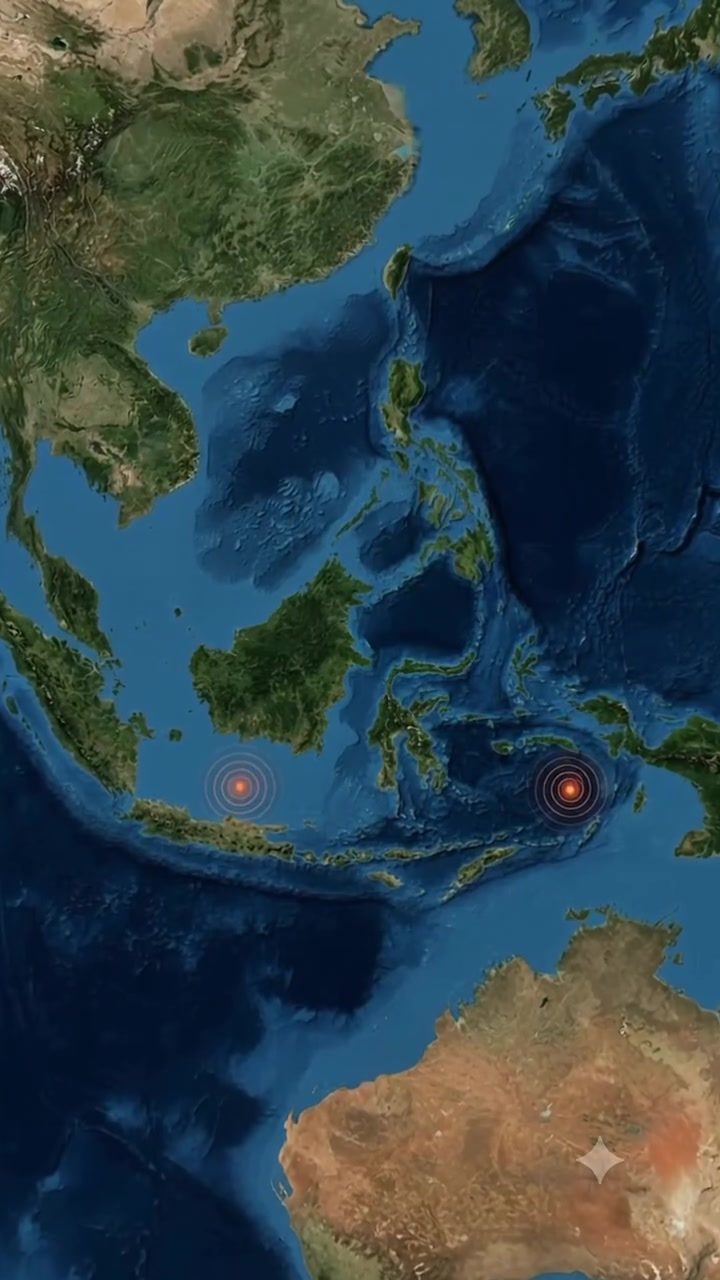
Last month, left the world with a stark reminder of the inevitability of seismic activity. In under a minute, a voice explains how Indonesia recorded multiple earthquakes today, with two particular events reaching a magnitude of 6.2—one near Java and another in the Bandasí near Maluku. Living in the Pacific brings a unique awareness of seismic mysteries; to grasp the potential risks, it's important to understand how earthquakes occur in the Pacific and how the region can prepare. The visual tools used to depict earthquakes teach us about the Pacific Ring of Fire, a volatile region where the Earth's tectonic plates meet and clash. This makes the area vulnerable to seismic activity, producing earthquakes and volcanic eruptions. Remember that Indonesia alone is home to 127 active volcanoes. Simultaneously, the rotating globe in the video highlights the broad reach of seismic activity, including Indonesia and Australia. The simulation of seismic waves, shown as pulsing red circles, offers a tangible sense of seismic wave propagation. The circles move as the narrator notes how earthquakes can also occur in the remote Bandasí. Understanding that earthquakes can happen in new places, further from cities, could also help Indonesians prepare for other types of hazards, such as tsunamis, triggered by earthquakes.
Tectonic plates, rising seas
The ocean floor is a dynamic environment of collisions, subduction. The movement of the Pacific plate beneath the Australian plate may cause earthquakes in some regions. The logic of basic plate tectonics explains why tsunamis are common near the ocean—Earthquakes happen when plates suddenly shift, disturbing the ocean floor and causing massive waves. This activity may also cause the creation of rifts and volcanic activity, which could add to the hazards for those living in the area of the Ring of Fire. And finally, as the Pacific plate and others collide, the pressure could cause earthquakes. These tectonic shifts also explain why Indonesia is particularly vulnerable to tsunami tremors. At the same time, the vision of the circles rotating around the planet elegantly illustrates how quickly these seismic events can transgress. Because of this, much of the seismic activity in Indonesia is recorded within the Ring of Fire. Understanding this helps us recognize the importance of monitoring and preparedness. As new data emerges, the role of sea levels adds to the hazards. Rising sea levels will likely worsen the impact of earthquakes and tsunamis.
Watch the Reel
Related deep dives
Similar reads based on topic and creator.
Recent articles
Fresh deep dives from the latest Reels we unpacked.
Comments
Be the first to comment.