India's Urban Ascendancy: A Look into the Top 100 Global Cities of 2026
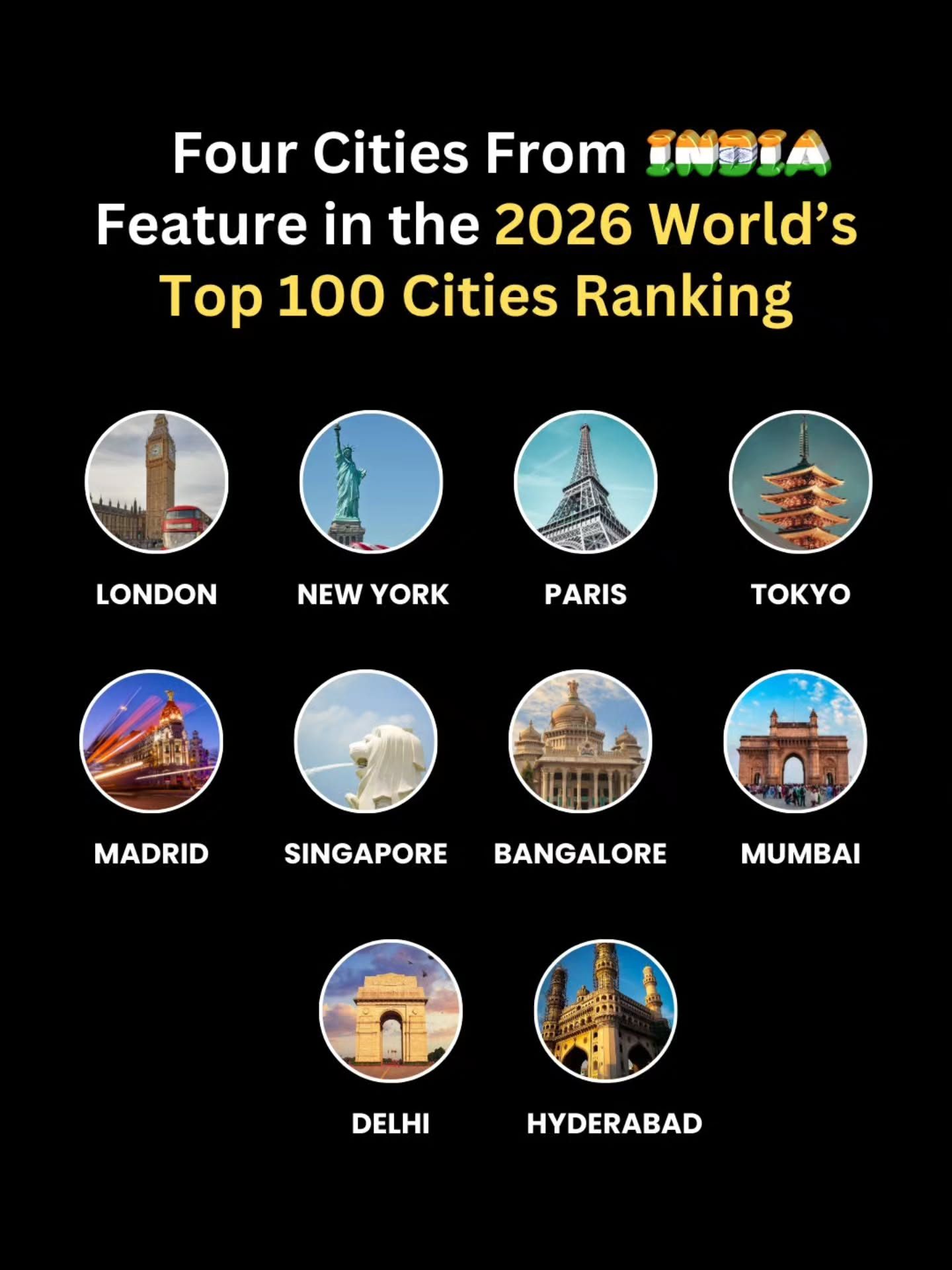
India is poised to make a significant mark on the global stage with several of its cities expected to rank among the top 100 cities worldwide by 2026. This anticipated rise underscores the country's urban development and economic growth, positioning it as a key player in the global urban landscape. Four Indian cities — Bangalore, Mumbai, Delhi, and Hyderabad — are particularly highlighted for their potential to feature prominently in this elite ranking.
Why This Matters
The global cities ranking is more than just a list; it reflects the economic, cultural, and infrastructural prowess of urban centers. Cities that make it to the top 100 are often hubs of innovation, finance, and cultural influence. For India, having multiple cities in this ranking signifies a shift in the global urban hierarchy, showcasing the country's ability to foster world-class urban environments. This recognition can attract global investments, talent, and tourism, further boosting India's economic growth.
Global and Local Dynamics
The Global Context
Cities like London, New York, Paris, Tokyo, Madrid, and Singapore are perennial favorites in global rankings. These cities are renowned for their robust economies, rich cultural heritage, and advanced infrastructure. They set the benchmark for what it means to be a top-tier global city. Their inclusion in the ranking is a testament to their enduring appeal and influence.
The Indian Contenders
India's urban landscape is rapidly evolving, with cities like Bangalore, Mumbai, Delhi, and Hyderabad emerging as significant global players. These cities are experiencing rapid growth in various sectors, including technology, finance, and healthcare. Bangalore, often referred to as the Silicon Valley of India, is a hub for technology and innovation. Mumbai, the financial capital of India, is a major economic engine. Delhi, the national capital, is a political and cultural center. Hyderabad, known for its vibrant tech industry and rich history, is also making waves globally.
Bangalore: The Tech Hub
Bangalore, also known as Bengaluru, is often at the forefront of discussions about India's urban growth. Known as the Silicon Valley of India, Bangalore is a major hub for technology and innovation. The city is home to numerous multinational corporations, startups, and research institutions. Its tech ecosystem supports a thriving community of entrepreneurs and innovators, contributing significantly to the city's economic growth.
Mumbai: The Financial Powerhouse
Mumbai, the financial capital of India, is a city of contrasts and opportunities. It is home to the Bombay Stock Exchange, the National Stock Exchange of India, and several major corporations. Mumbai's financial prowess attracts global investments, making it a key player in the global economy. The city's cultural richness, vibrant arts scene, and diverse culinary landscape further add to its allure.
Delhi: The Political and Cultural Nexus
As the capital of India, Delhi is a city of immense political and cultural significance. It serves as the administrative center of the country, hosting numerous government institutions and embassies. Delhi is also a cultural hub, with a rich history and vibrant arts scene. The city's diverse population and cultural heritage make it a unique and dynamic urban center.
Hyderabad: The Emerging Giant
Hyderabad, known for its rich history and vibrant tech industry, is another city poised for global recognition. The city is a major hub for information technology, pharmaceuticals, and biotechnology. Hyderabad's growth is fueled by its robust infrastructure, skilled workforce, and supportive government policies. The city's unique blend of traditional and modern elements makes it an attractive destination for businesses and tourists alike.
Practical Tips for Urban Planners and Investors
For urban planners and investors, the rise of Indian cities in the global ranking presents numerous opportunities. Here are some practical tips for capitalizing on this trend:
Invest in Infrastructure
Investing in infrastructure is crucial for sustaining growth and attracting global attention. This includes developing public transportation systems, improving road networks, and enhancing green spaces. Sustainable infrastructure not only supports economic growth but also improves the quality of life for residents.
Foster Innovation and Entrepreneurship
Cities that foster innovation and entrepreneurship are more likely to attract global investments and talent. Policies and initiatives that support startups, incubators, and research institutions can create a thriving ecosystem for innovation.
Promote Cultural and Tourism Initiatives
Cities that prioritize cultural and tourism initiatives can attract global visitors and foster economic growth. Developing cultural landmarks, organizing festivals, and promoting heritage sites can enhance a city’s appeal and attractiveness.
Enhance Urban Sustainability
Sustainability is a key factor in the global ranking of cities. Implementing green initiatives, promoting renewable energy, and reducing carbon footprints can make cities more attractive to global investors and residents. Sustainable urban planning ensures that cities can grow without compromising the environment.
Important Takeaways
The projected inclusion of Bangalore, Mumbai, Delhi, and Hyderabad in the top 100 global cities ranking by 2026 is a significant milestone for India. This recognition underscores the country's urban development and economic growth, positioning it as a key player in the global urban landscape. For urban planners, investors, and residents, this presents numerous opportunities to foster growth, innovation, and sustainability.
Conclusion
As India prepares to make its mark on the global stage, the rise of its cities in the global ranking is a testament to the country's urban development and economic growth. Cities like Bangalore, Mumbai, Delhi, and Hyderabad are poised to become major global players, attracting investments, talent, and tourism. By investing in infrastructure, fostering innovation, promoting cultural initiatives, and enhancing sustainability, these cities can achieve their full potential and contribute to India's global ascendancy.
Watch the Reel
Questions readers ask
Which Indian cities are expected to be in the top 100 global cities by 2026?
By 2026, Bangalore, Mumbai, Delhi, and Hyderabad are projected to be among the top 100 global cities. These cities are recognized for their urban development and economic growth, contributing to India's rising global prominence.
What factors contribute to a city's ranking in the global cities list?
The global cities ranking considers various factors, including economic strength, cultural influence, and infrastructural development. Cities that excel in innovation, finance, and cultural impact are more likely to secure a high ranking.
How does the rise of Indian cities impact the global urban hierarchy?
The anticipated rise of Indian cities indicates a significant shift in the global urban hierarchy. This change highlights India's increasing financial and cultural influence, positioning it as a pivotal player in the global urban landscape.
What does the ranking of Bangalore, Mumbai, Delhi, and Hyderabad mean for India?
The ranking of these cities reflects India's urban and economic growth. It signifies that these urban centers are becoming influential hubs of innovation and finance, enhancing India's standing on the global stage.
How will the rise of these cities influence their local and global impact?
The rise of these cities will likely lead to increased financial and cultural influence both locally and globally. This includes enhanced opportunities for investment, innovation, and cultural exchange, benefiting both the cities and the country as a whole.
Why is it significant for Indian cities to be in the top 100 global cities?
Being in the top 100 global cities signifies that these urban centers are not only economically robust but also culturally influential. It opens doors to more global opportunities and partnerships, further boosting India's presence in the world.
Related deep dives
Similar reads based on topic and creator.




Recent articles
Fresh deep dives from the latest Reels we unpacked.




Comments
Be the first to comment.