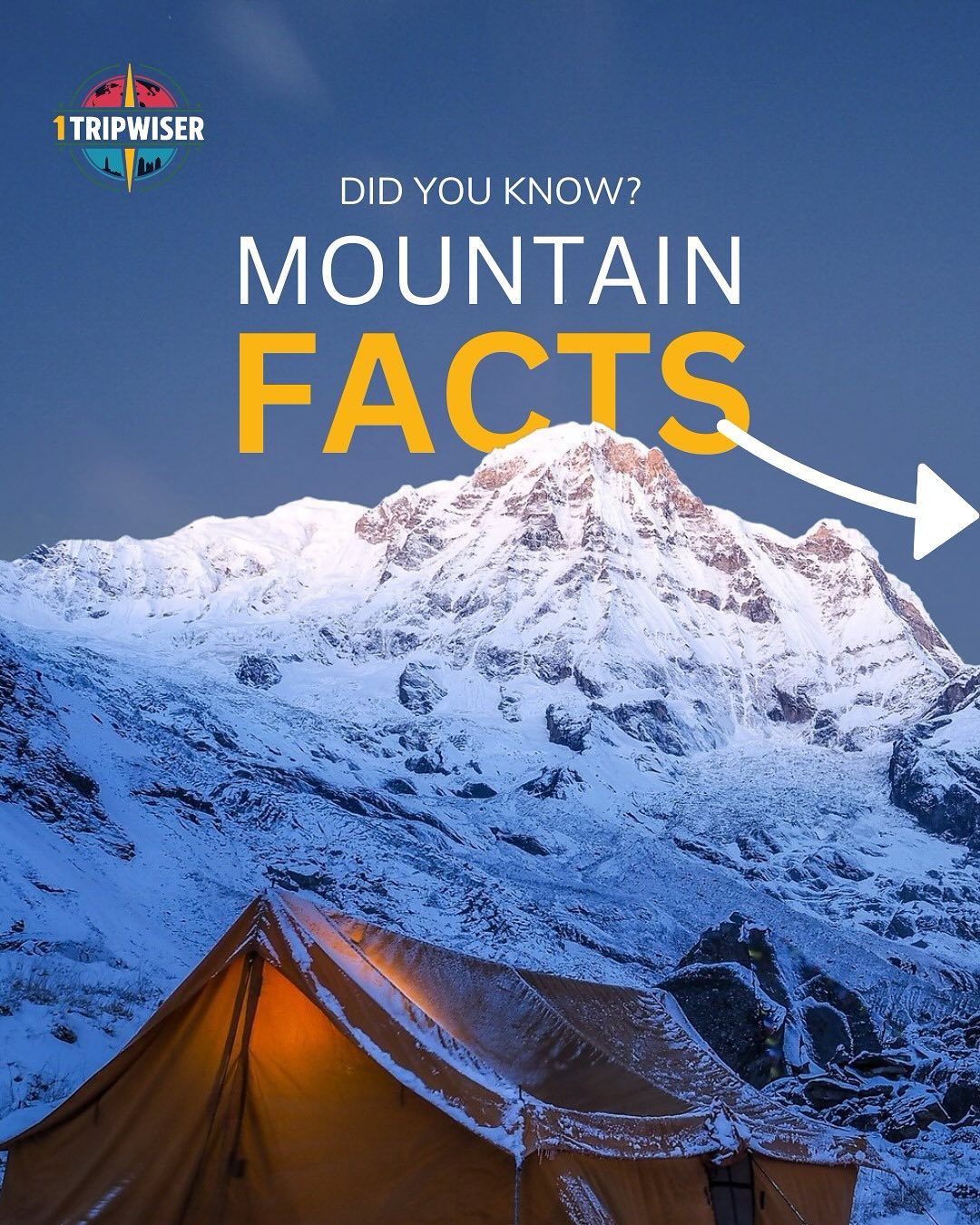
Mountain Facts
Mountains have captivated explorers, adventurers, and nature enthusiasts for centuries. Their majestic peaks and rugged terrains offer not only breathtaking views but also a wealth of fascinating facts. Let's dive into some of the most intriguing details about the highest mountains in the world, including some lesser-known but equally impressive peaks.
Context
Understanding the world's highest mountains goes beyond mere altitude. These peaks often hold significant cultural, historical, and geographical importance. They serve as natural landmarks, influence local climates, and even shape the identities of the regions surrounding them. Whether you're a seasoned mountaineer or an armchair traveler, these mountains offer a rich tapestry of stories and facts that highlight their enduring allure.
Main Discussion
Gyrchung Kang
Gyrchung Kang, standing at 7,952 meters, is the highest mountain in the world below the 8,000-meter mark. Located on the Nepal-Tibet border, this peak is a significant landmark in the Himalayas. Its strategic location makes it a vital point of interest for both climbers and geographers. The mountain's height and position on the border between two countries add to its historical and cultural significance, providing more than its impressive height.
The summit of Gyrchung Kang offers a panoramic view of the surrounding Himalayan range, making it a coveted destination for experienced mountaineers. The climb is challenging, requiring extensive preparation and technical skill. However, the reward of standing atop one of the world's highest peaks is well worth the effort. Despite its prominence, Gyrchung Kang remains less explored than its more famous neighbors, adding to its allure for adventurers seeking solitude and challenge.
Trisul
Trisul, with an elevation of 7,120 meters, holds a special place in mountaineering history. It was the first mountain over 7,000 meters to be climbed, a milestone achieved in 1907. This feat marked a significant advancement in high-altitude climbing, showcasing the capabilities of early mountaineers and setting the stage for future expeditions. Trisul's successful ascent paved the way for climbers to attempt even higher and more challenging peaks, thereby elevating the sport to new heights.
Situated in the Kumaon region of the Himalayas in India, Trisul is known for its distinct three-peaked summit, which gives it its name. The mountain's unique shape adds to its aesthetic appeal, making it a favorite among climbers and photographers. The journey to Trisul is not just about reaching the top but also about experiencing the rugged beauty of the surrounding landscapes and the rich cultural heritage of the region.
Masherbrum (K1)
Masherbrum, also known as K1, stands at 7,821 meters and is the 22nd highest peak in the world. Originally designated "K1" during the 1856 Great Trigonometrical Survey, it was the first mapped peak of the Karakoram Range. This historical designation underscores its significance in the early days of cartography and mountaineering. Situated in the Baltistan region of Pakistan, Masherbrum is part of the Baltoro Muktaham range, a region renowned for its stunning glaciers and towering peaks.
The ascent of Masherbrum is particularly challenging due to its steep slopes and technical difficulty. Climbers must navigate ice fields, crevasses, and unpredictable weather conditions. Despite these challenges, the mountain's remote location and untouched beauty make it an attractive destination for experienced mountaineers. The journey to Masherbrum offers a glimpse into the enchanting landscapes of the Karakoram Range, with its vast glaciers and rugged terrain.
Practical Tips
When planning a trip to any of these mountains, thorough preparation is key. Here are some practical tips to help you make the most of your adventure:
Research and Planning
- Choose the Right Season: The best time to climb these mountains is typically during the pre-monsoon (April to June) or post-monsoon (September to October) seasons. During these periods, the weather is relatively stable, and the routes are clearer.
- Physical Fitness: High-altitude climbs require a high level of physical fitness. Regular training, including cardiovascular exercises, strength training, and endurance workouts, is essential.
- Equipment and Gear: Invest in high-quality climbing gear, including appropriate clothing, footwear, ropes, harnesses, and protective gear. Make sure everything is in good condition and that you know how to use it.
Safety and Health
- Altitude Sickness: Be aware of the symptoms of altitude sickness, such as headaches, dizziness, and nausea. Acclimatize properly by ascending gradually and allowing your body time to adjust to the altitude.
- Hydration and Nutrition: Stay hydrated by drinking plenty of water and eating nutritious, high-energy foods. Proper hydration and nutrition are crucial for maintaining energy levels and overall health.
- Weather Conditions: Keep an eye on the weather forecast and be prepared for sudden changes. Pack appropriate clothing and gear to protect yourself from cold, wind, and precipitation.
Important Takeaways
Exploring the highest mountains in the world is not just about reaching the summit; it's about the journey and the experiences along the way. Here are some key takeaways to remember:
- Respect the Mountain: Always prioritize safety and respect the natural environment. Follow Leave No Trace principles to minimize your impact on the ecosystem.
- Prepare Thoroughly: A well-planned and well-prepared expedition increases your chances of success and safety. Research the route, gather the necessary equipment, and train physically and mentally.
- Embrace the Experience: Enjoy the journey, from the preparation to the summit and beyond. The memories and lessons learned from these adventures are invaluable.
Conclusion
The world's highest mountains are more than just geological wonders; they are repositories of history, culture, and natural beauty. From the towering Gyrchung Kang to the historically significant Trisul and the challenging Masherbrum, each peak offers a unique and unforgettable experience. Whether you're an aspiring climber or an enthusiastic traveler, these mountains provide a wealth of knowledge and adventure. Embrace the challenge, respect the environment, and prepare thoroughly for an unforgettable journey.
Watch the Reel
Questions readers ask
What are some of the lesser-known highest mountains in the world?
While Everest is the most famous, there are other remarkable peaks like Gyrchung Kang in Nepal, Trisul in India, and the stunning peaks of Tibet and Bhutan. These mountains offer unique challenges and cultural insights, making them fascinating subjects for exploration and study.
What makes the world's highest mountains significant beyond their height?
These mountains hold immense cultural, historical, and geographical importance. They often serve as natural landmarks, influence local climates, and shape the identities of the regions surrounding them. Additionally, they offer unique challenges and rewards for climbers and enthusiasts alike.
Why is Mount Everest so well-known?
Mount Everest is renowned for being the highest peak in the world, standing at approximately 8,848.86 meters (29,031.7 feet). It attracts climbers from around the globe and holds significant historical and cultural importance, particularly in Nepal.
What are some interesting facts about Himalayan peaks?
The Himalayan peaks, including Everest, are known for their extreme altitudes and challenging climbing conditions. They are home to diverse flora and fauna, and many peaks hold religious and cultural significance for local communities. Additionally, they influence the weather patterns of the surrounding regions.
What challenges do climbers face when ascending the world's highest mountains?
Climbers face numerous challenges, including extreme weather conditions, thin air, and treacherous terrain. The physical demands are immense, and psychological resilience is crucial. Additionally, climbers must navigate through cultural and logistical challenges, such as obtaining permits and respecting local traditions.
How do the world's highest mountains influence local climates?
These mountains play a pivotal role in shaping local climates by acting as barriers to wind and moisture, creating unique microclimates in the surrounding regions. They also influence precipitation patterns, contributing to the formation of glaciers and rivers that are vital for local ecosystems and communities.
What is the significance of mountains in Nepal?
Mountains in Nepal, such as Everest, Annapurna, and Gyrchung Kang, are not just natural wonders but also pillars of the country's identity. They attract tourists and climbers, contributing significantly to the local and national economy. Additionally, these mountains hold deep cultural and religious significance for the Nepali people, often being the subjects of local folklore and traditions.
Related deep dives
Similar reads based on topic and creator.




Recent articles
Fresh deep dives from the latest Reels we unpacked.




Comments
Be the first to comment.