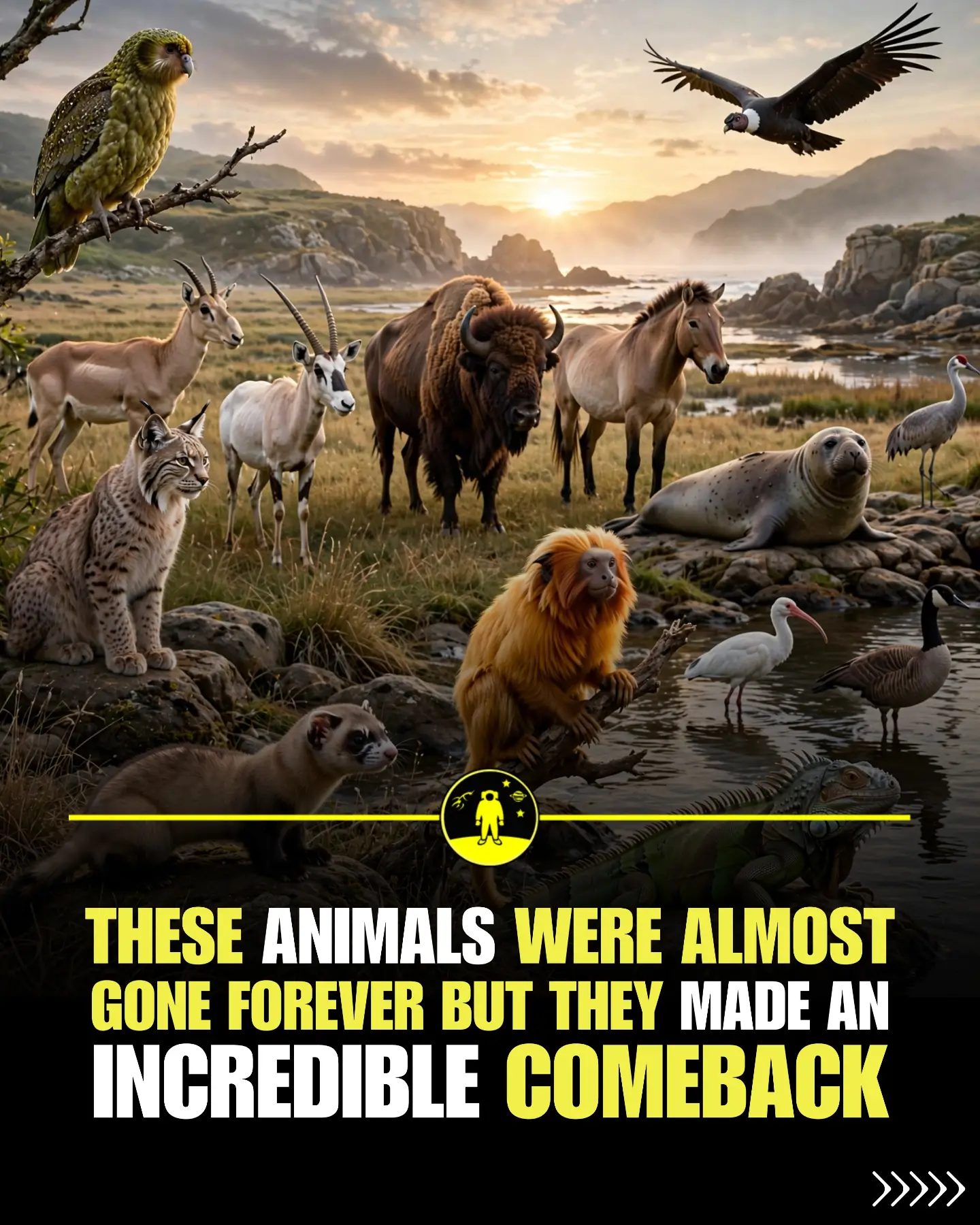
The Incredible Comeback Stories of the World's Rarest Animals
Conservation efforts have played a critical role in saving several species from the brink of extinction. From habitat protection to captive breeding and predator management, these efforts have led to remarkable recoveries that once seemed impossible. Let's explore some of the most inspiring comeback stories of endangered species.
Why This Matters
The recovery of endangered species is not just about saving individual animals; it's about protecting the delicate balance of ecosystems and preserving biodiversity. Each species plays a unique role in its environment, and losing even one can have cascading effects on the ecosystem. Conservation efforts ensure that these ecosystems remain healthy and resilient, benefiting not only wildlife but also human populations that depend on these ecosystems for resources and ecosystem services.
comeback Stories of Endangered Species
Nēnē Geese
The Nēnē Goose, Hawaii's state bird, faced near-extinction in the mid-20th century. By 1952, the population had dwindled to around 30 birds. However, through extensive breeding programs, habitat protection, and predator management, the Nēnē Goose has made a remarkable recovery. Today, there are over 3,800 Nēnē Geese, a testament to the power of dedicated conservation efforts.
- Breeding Programs: Captive breeding programs were instrumental in increasing the population. These programs allowed for controlled breeding and the reintroduction of offspring into the wild.
- Habitat Protection: Conservation efforts focused on protecting and restoring the natural habitats of the Nēnē Geese. This included managing habitats to ensure food and shelter were available.
- Predator Management: Controlling predators that prey on Nēnē Geese and their eggs was crucial. This involved both physical barriers and the removal of invasive species.
California Condors
The California Condor is another success story in conservation. In 1982, there were only 22 California Condors left in the wild. Thanks to a last-resort captive-breeding program, the species has made a tremendous comeback. Today, the population has increased to 561 birds.
- Captive-Breeding Programs: The captive-breeding program was essential in preventing the extinction of the California Condor. Birds were bred in controlled environments and then reintroduced into the wild.
- Habitat Protection: Protective measures ensured that the condors had suitable habitats for nesting and foraging. This included legal protections that prevented human activities from disrupting their natural habitats.
- Monitoring and Research: Ongoing monitoring and research have helped scientists understand the needs of the California Condor and adjust conservation strategies accordingly. This has been crucial in maintaining the species' population.
Other Success Stories
Several other species have benefited from long-term conservation efforts. These include:
- Black-Footed Ferret: Once thought to be extinct in the wild, a small surviving population was discovered and has since been steadily restored through breeding programs and habitat protection.
- Northern Elephant Seals: These seals made an extraordinary comeback after being hunted to near extinction. Strict legal protections helped their population recover into one of conservation's greatest success stories.
- Iberian Lynx, Arabian Oryx, European Bison, Whooping Crane, and Golden Lion Tamarin: These species have all benefited from long-term conservation efforts, including habitat protection, breeding programs, and wildlife reintroductions. While many populations have increased, most still require continued protection and monitoring.
Practical Tips for Wildlife Conservation
While large-scale conservation efforts are essential, individual actions can also make a significant difference. Here are some practical tips for contributing to wildlife conservation:
Support Conservation Organizations
Many organizations are dedicated to protecting endangered species and their habitats. Supporting these organizations through donations or volunteering can help fund critical conservation projects.
Reduce, Reuse, Recycle
Minimizing waste and reducing the use of single-use plastics can help protect wildlife and their habitats. Plastic pollution is a significant threat to marine life, and reducing plastic waste can help protect species that live in or near oceans.
Advocate for Wildlife-Friendly Policies
Advocating for policies that protect wildlife and their habitats can have a significant impact. This includes supporting legislation that protects endangered species and their habitats and promoting sustainable practices that benefit wildlife.
Participate in Citizen Science
Citizen science projects allow individuals to contribute to scientific research and conservation efforts. Participating in these projects can help monitor wildlife populations and inform conservation strategies.
Spread Awareness
Sharing information about endangered species and the importance of conservation can help raise awareness and inspire others to take action. Social media, blogs, and community events are all effective ways to spread awareness and encourage conservation efforts.
Important Takeaways
- Conservation Efforts Work: The success stories of the Nēnē Goose, California Condor, and other species demonstrate that conservation efforts can make a real difference.
- Long-Term Commitment: Saving a species requires decades of commitment, funding, research, and cooperation. Recovery does not always mean a species is safe, but every success proves that conservation can make a real difference.
- Holistic Approach: A combination of habitat protection, captive breeding, anti-poaching measures, and wildlife reintroductions is often necessary for successful conservation efforts.
- Community Involvement: Every animal saved is another step toward protecting Earth's incredible biodiversity for future generations. Community involvement and support are crucial for the continued success of conservation efforts.
- Ongoing Efforts: While many populations have increased, most still require continued protection and monitoring. Conservation is an ongoing process that requires sustained effort and investment.
Conclusion
The comeback stories of endangered species like the Nēnē Goose and California Condor are inspiring reminders of the power of conservation efforts. These success stories highlight the importance of protecting wildlife and their habitats, as well as the critical role that community involvement and scientific research play in saving endangered species. By supporting conservation organizations, reducing waste, advocating for wildlife-friendly policies, participating in citizen science, and spreading awareness, individuals can contribute to the preservation of Earth's incredible biodiversity for future generations.
Watch the Reel
Questions readers ask
How have conservation efforts aided the Nene goose recovery?
Conservation efforts for the Nene goose have been highly successful due to habitat protection, captive breeding, and predator management. The Hawaiian Bird Conservation Center has played a pivotal role since 1996, ensuring the Nene goose population grew from 50 to over 2,500 birds today.
What are some notable examples of wildlife comeback stories?
Some of the most inspiring comeback stories include the California condor, which was brought back from the brink of extinction through captive breeding and reintroduction programs. Similarly, the black-footed ferret, once down to just 18 individuals, has seen a significant population increase thanks to dedicated conservation efforts.
How do habitat protection programs contribute to species recovery?
Habitat protection programs are crucial for species recovery as they safeguard the environments where animals live and breed. By preserving and restoring habitats, these programs ensure that animals have the resources they need to survive and thrive, which is essential for long-term population growth and stability.
What role do species breeding programs play in conservation?
Species breeding programs are vital for conservation as they help increase the numbers of endangered species in a controlled environment. By carefully managing breeding and reintroduction, these programs can prevent further declines and stabilize threatened populations, leading to eventual recovery in their natural habitats.
What are the benefits of saving endangered species for ecosystems?
Saving endangered species helps maintain the balance of ecosystems by preserving biodiversity. Each species has a unique role, and their loss can have cascading effects. By protecting these species, conservation efforts ensure that ecosystems remain healthy and resilient, benefiting both wildlife and humans.
How can individuals contribute to wildlife conservation success?
Individuals can contribute to wildlife conservation success by supporting organizations dedicated to species preservation, advocating for policies that protect wildlife and their habitats, and participating in local conservation efforts. Every action, no matter how small, can make a significant difference in preserving biodiversity and protecting endangered species.
Why is preventing extinction of species so important?
Preventing the extinction of species is crucial for maintaining the richness of life on Earth and ensuring the stability of ecosystems. Each species has a unique niche, and losing one can disrupt entire ecological systems, affecting other species and even human populations that depend on these ecosystems for resources and services.
Related deep dives
Similar reads based on topic and creator.


Recent articles
Fresh deep dives from the latest Reels we unpacked.




Comments
Be the first to comment.