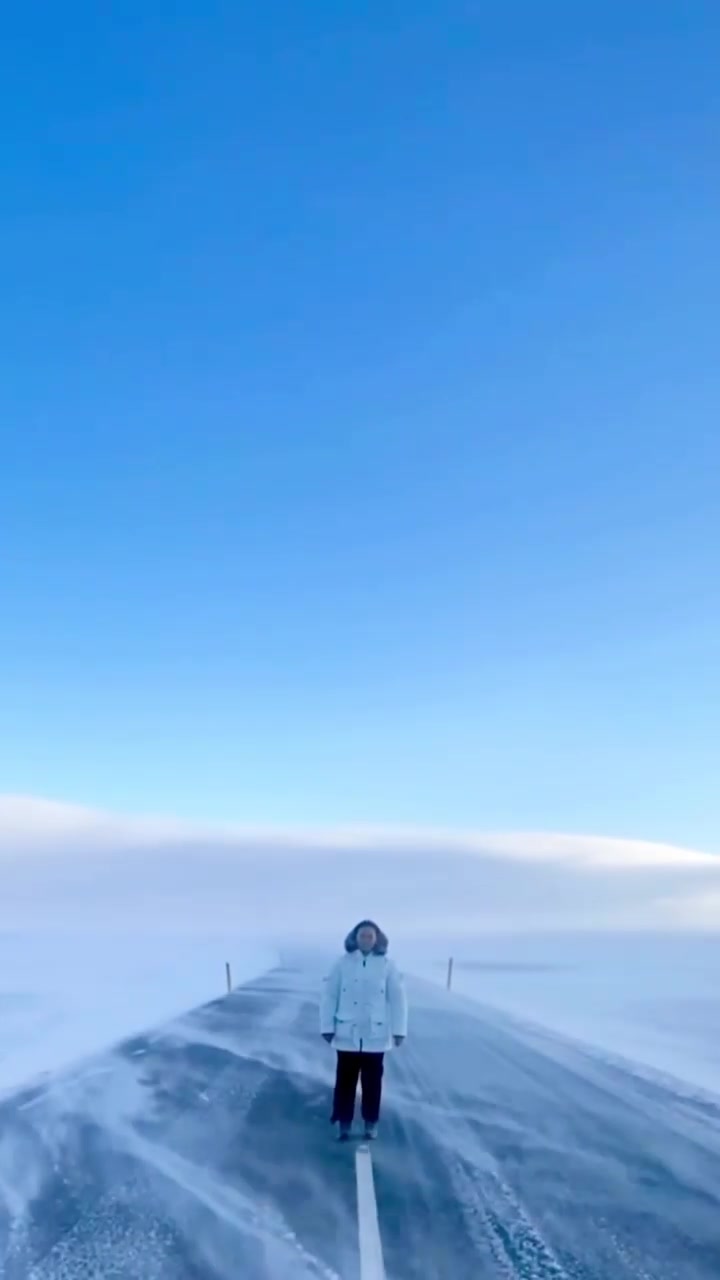
Each year from December to March, Iceland transforms into a breathtaking winter wonderland. This year, you might catch the Northern Lights. The aurora borealis, or Northern Lights, dances above a snowy landscape like a celestial ballet. The beauty of these lights depends on one thing — the sun’s activity and magnetic field.
The mesmerizing Northern Lights
The Northern Lights, or aurora borealis, are a natural light display caused by collisions of charged particles from the sun with Earth’s magnetic fields, typically seen at high latitudes. The visual effect is colorful arcs and columns of light, portraying vibrant hues of green and blue in the night sky. Due to Iceland’s northern latitude. Iceland provides an incredible stage for the Northern Lights. Only three things are required for seeing the lights — clear skies, solar activity, and a viewing location away from light pollution. Iceland’s location on Earth provides an additional advantage; the geographic positioning allows for a clear view of the aurora. Iceland’s uninhabited landscapes provide clear skies for perfect viewing conditions. Locals can see an aurora borealis in the dark winter sky from December through March, with the likelihood of sightings being higher in late January and early February.
Aurora of the North starred in Iceland
Iceland is a star to the world’s untimely travel destinations. The Northern Lights highlight the stunning landscapes of Iceland, attracting visitors from around the world. Tourism in Iceland has surged in recent years, with the Northern Lights being a major draw. Iceland’s increasing popularity is not solely due to the aurora, but it is an important component of the country's tourism industry. The best-known benefits of the Northern Lights on tourists are economic. Iceland's tourism industry depends heavily on seasonal businesses that cater to aurora chasers. This brings in revenue and supports local businesses, as well as providing jobs during the winter months. The Icelandic government has made efforts to preserve and promote the Northern Lights, using them as an important asset for the tourism industry. The Northern Lights have an impact on Icelandic culture. The lights have been a source of inspiration for local artists, musicians, and writers for centuries. Traditional Icelandic folklore and sagas are filled with tales of the Northern Lights. The lights are often seen as a spiritual part of the country, connecting Iceland and its people to the natural world. The lights have been the subject of numerous poems, songs, and artworks, cementing their place in Icelandic culture.
The physical magic of the Northern Lights
The inspiration and the feelings the aurora borealis evokes is the physical effect that makes them worth seeing. The lights’ effects are biochemical. The charged particles that collide with Earth’s magnetic field excite the oxygen and nitrogen molecules in the atmosphere, causing them to emit various colors of light. The duration of the Aurora display depends on how strong the solar wind is. The sun’s energy travels through space, impacting the earth’s atmosphere. The atoms react against the solar winds, hitting the magnetic shield that guides and collides into a specific color. The charged electrons fly at a rate of 250,000 miles per hour into the sky, then collide with the Earth’s magnetic field. When the particles collide, the electrons are propelled towards lower latitudes, forming the bright lights. The lights are not only as beautiful as they look, but they also enchant with scientific wonder.
The color play of the scintillating Northern Lights
The various hues of the Northern Lights are due to the types of atoms and molecules involved in the collisions with the solar particles. The aurora come in a spectrum of colors, each with a different meaning and cause. Iceland Kayanasue also mentioned that it’s best to be at night for seeing the lights, but Iceland is the only place in the world where you can see the Northern Lights during the day. The lights are the most intense in darkness, but Iceland's high latitude means that there is no night for some months of the year, limiting your chances to see them, but it’s unique and stunning. Iceland’s snowy landscapes add a dramatic backdrop to the Northern Lights, with the contrasting colors of the lights and the snow-covered terrain. Due to the high elevation of Iceland’s land, the landscape and the Northern lights provide an unforgettable experience.
Dressing for the weather
In Iceland, the weather can be extreme, even in the summer, but the weather is consistently cold in the winter months. The temperatures are cold and windy. Icelanders use a local saying “If you do not like the weather, wait five minutes” to advise people that the weather can change quickly. If you visit Iceland between December and March, pack appropriate winter clothing. If visiting Iceland:
- Layers: Pack layers of warm clothing, including a waterproof jacket and pants, a warm hat, and gloves.
- Safety: Dress in bright colors to be visible in the snow and carry a flashlight to navigate the dark, snowy terrain.
- Rent a car: Rent a car with winter tires and drive cautiously on the snowy roads – follow road signs warning you of icy surfaces, and allow for extra travel time.
- Ask the locals: Locals can provide valuable information about the best viewing spots, and what to expect during your trip – their lives are intertwined with the aurora.
A winter wonderland awaits
Iceland’s winter landscapes provide a unique backdrop for viewing the Northern Lights. The snowy terrain and dramatic scenery add to the overall experience of watching the Aurora dance above. The beauty and awe of the natural phenomenon truly transforms.
Watch the Reel
Questions readers ask
What causes the Northern Lights in Iceland's winter sky?
The Northern Lights are caused by the collision of charged particles from the sun with Earth's magnetic fields. This interaction excites oxygen and nitrogen molecules in the atmosphere, which then emit various colors of light. Iceland's northern latitude provides an excellent viewing location for this natural light display.
Why are the Northern Lights best seen in Iceland during winter?
Iceland's winter, particularly from December to March, offers clear skies and long nights, creating ideal conditions for viewing the Northern Lights. The likelihood of sightings is even higher in late January and early February due to increased solar activity and clear skies.
How do the Northern Lights impact Iceland's tourism industry?
The Northern Lights are a major draw for tourists in Iceland, contributing significantly to the country's tourism industry. Seasonal businesses catering to aurora chasers bring in revenue and support local economies, especially during the winter months. Iceland’s government promotes the aurora as a key tourism asset.
What are some of the cultural significances of the Northern Lights in Iceland?
The Northern Lights hold deep cultural significance in Iceland, inspiring local artists, musicians, and writers for centuries. They are also a part of traditional Icelandic folklore and sagas, often seen as a spiritual connection to the natural world. The lights are celebrated in numerous poems, songs, and artworks, reflecting their importance in Icelandic culture.
What are the ideal conditions for viewing the Northern Lights in Iceland?
To see the Northern Lights in Iceland, you need clear skies, solar activity, and a viewing location away from light pollution. Iceland's geographic positioning and uninhabited landscapes provide clear views of the aurora, making it an excellent destination for aurora chasers.
Can I see the Northern Lights from any part of Iceland?
While the Northern Lights can be seen from various parts of Iceland, the best viewing spots are away from light pollution. Places like the Snæfellsnes Peninsula, the Golden Circle, and the Westfjords offer clear views of the aurora, especially during winter.
What colors can I expect to see in the Northern Lights?
The Northern Lights typically display vibrant hues of green and blue, although other colors like red, yellow, and purple can also appear. The colors are determined by the type of gas molecule involved in the collision and the altitude at which the collision takes place.
Related deep dives
Similar reads based on topic and creator.

Recent articles
Fresh deep dives from the latest Reels we unpacked.
Comments
Be the first to comment.