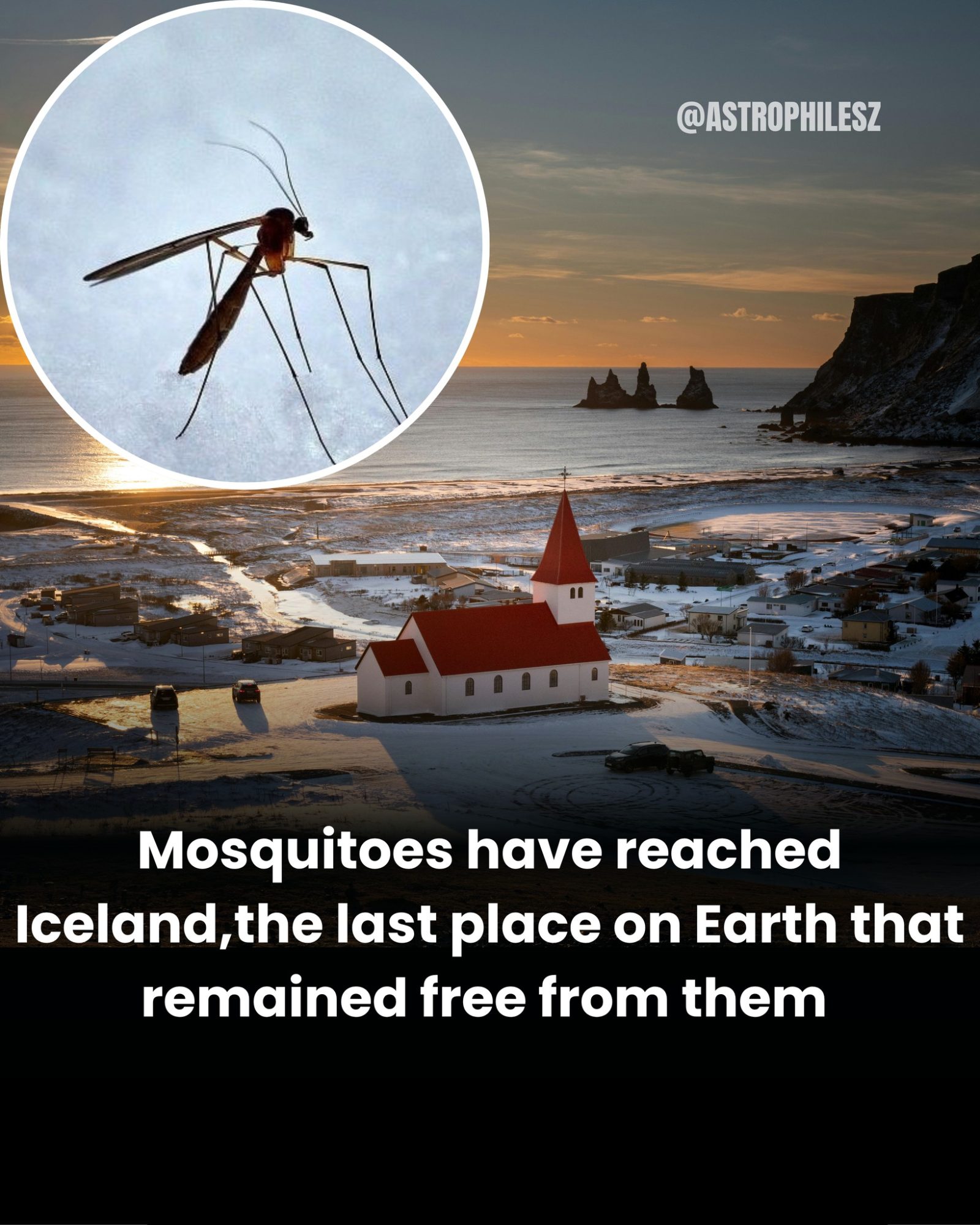
Mosquitoes in Iceland
Iceland, once the last place on Earth free from mosquitoes, has seen a significant shift in its natural environment. In October 2025, an insect enthusiast named Björn Hjaltason made an unexpected discovery in his backyard in Kjós, about 20 miles north of Reykjavík. A strange fly caught in his wine trap turned out to be something Iceland had never officially recorded before: a mosquito. This discovery marked the first documented mosquito species in Iceland's natural environment, confirming fears that climate change is altering even the most remote and once-inviolate environments on the planet.
Why This Matters
The arrival of mosquitoes in Iceland is more than just a curiosity; it signifies a broader environmental change. Antarctica is the only place on Earth that remains unaffected by an established mosquito population. Iceland and Antarctica had long been considered the last two mosquito-free zones, but with the discovery of mosquitoes in Iceland, Antarctica stands alone.
The timing of this discovery is not coincidental. The Arctic region, including Iceland, is warming roughly four times faster than the rest of the planet. Over the past two decades, Iceland's average annual temperature has risen by about 2 degrees Fahrenheit, making the island's marshes and ponds more hospitable to cold-tolerant mosquito species like Culiseta annulata. This particular species, common across Northern Europe, is known for its ability to survive cold winters by hibernating in sheltered places like basements and barns.
The Discovery and Confirmation
Hjaltason's discovery was a significant moment for Iceland's insect enthusiasts and the scientific community. The insect initially spotted on a red wine rope was confirmed by entomologist Matthías Alfreðsson of the Natural Science Institute of Iceland as Culiseta annulata. This confirmation marked a turning point in Iceland's natural history. The presence of mosquitoes in Iceland has raised questions about the future of environmental changes in the region and the potential spread of disease-carrying insects.
Culiseta Annulata: Characteristics and Implications
Culiseta annulata, the species identified in Iceland, is a cold-tolerant mosquito. While it bites humans, it is not known to carry diseases dangerous to humans. This is a silver lining compared to some tropical mosquito species expanding into newly warm regions worldwide. However, the presence of this species in Iceland raises concerns about the potential for other, more dangerous species to follow. Scientists are closely monitoring the situation to determine whether these three mosquitoes—two females and one male—will survive the Icelandic winter and establish a lasting population.
Environmental and Climatic Factors
The arrival of mosquitoes in Iceland is a stark reminder of the far-reaching effects of climate change. The Arctic region's rapid warming is creating conditions suitable for species that were previously unable to survive in the region. This change has implications for biodiversity, ecosystem balance, and the potential spread of diseases. Monitoring and understanding these changes is crucial for developing strategies to mitigate the impact on both local and global scales.
Practical Tips for Monitoring and Prevention
For residents of Iceland and other regions experiencing similar environmental changes, staying informed and proactive is key. Here are some practical tips:
- Stay Informed: Keep up with the latest scientific research and reports on mosquito populations and climate change. Knowledge is the first line of defense.
- Regular Inspections: Conduct regular inspections of outdoor areas, especially near water sources, to monitor for mosquito breeding grounds. Remove any standing water where mosquitoes can lay eggs.
- Preventive Measures: Use insect repellents and protective clothing when spending time outdoors, especially in areas prone to mosquito activity.
- Community Involvement: Participate in local insect-tracking groups and report any unusual insect sightings to relevant authorities. Community involvement can help in early detection and prevention efforts.
Important Takeaways
The discovery of mosquitoes in Iceland underscores several important points:
- Climate Change Impact: The rapid warming of the Arctic region is creating new habitats for species previously unable to survive there.
- Biodiversity Changes: The arrival of new species can disrupt local ecosystems and biodiversity, potentially leading to unforeseen consequences.
- Need for Vigilance: Continuous monitoring and proactive measures are essential for mitigating the impact of such environmental changes.
- Public Awareness: Increased awareness and community involvement can help in early detection and management of new species introductions.
Conclusion
The discovery of mosquitoes in Iceland is a significant environmental milestone. It highlights the broader impact of climate change and the need for vigilance in monitoring and managing environmental changes. As Iceland adapts to this new reality, the scientific community and residents alike must remain proactive in understanding and mitigating the potential implications of this shift. By staying informed, taking preventive measures, and fostering community involvement, we can better navigate the challenges posed by these environmental changes.
Watch the Reel
Questions readers ask
What species of mosquito was discovered in Iceland?
The species of mosquito discovered in Iceland was identified as Culiseta annulata, a cold-tolerant species that can thrive in the changing climate of the region.
What prompted the discovery of mosquitoes in Iceland?
The discovery was made by an insect enthusiast named Björn Hjaltason. Mr. Hjaltason found a mosquito in a wine trap in his backyard in Kjós, a small hamlet about 20 miles north of Reykjavik.
What does the presence of mosquitoes indicate about Iceland's climate?
The presence of mosquitoes in Iceland indicates a significant shift in the country's climate, with marshes and ponds becoming more hospitable to cold-tolerant species. This change suggests that even remote and once-isolated environments are experiencing the effects of global warming.
Can mosquitoes survive in cold regions?
Yes, certain species of mosquitoes, like Culiseta annulata, are cold-tolerant and can survive in colder climates. These species have adapted to thrive in environments with colder temperatures, making them capable of inhabiting regions like Iceland as the climate warms.
What are the broader implications of mosquitoes in Iceland?
The arrival of mosquitoes in Iceland is a sign of broader environmental changes due to climate change. It highlights how even the most remote areas are not immune to the impacts of global warming, and it serves as a reminder of the broader ecological transformations occurring worldwide.
Mosquitoes in Iceland was first documented in October 2025. Are there reports of mosquitoes prior to 2025?
Prior to 2025, there were no officially documented reports of mosquitoes in Iceland. The discovery in October 2025 marked the first confirmed instance of a mosquito species in the country's natural environment.
How might this change impact the ecosystems of Iceland?
The introduction of mosquitoes in Iceland can lead to changes in local ecosystems, as mosquitoes can serve as both predators and prey. Additionally, mosquitoes can potentially transmit diseases, although this has yet to be observed in Iceland. This change highlights the need for ongoing research into the impacts of these new inhabitants and how the ecosystem adapts.
Related deep dives
Similar reads based on topic and creator.

Recent articles
Fresh deep dives from the latest Reels we unpacked.




Comments
Be the first to comment.