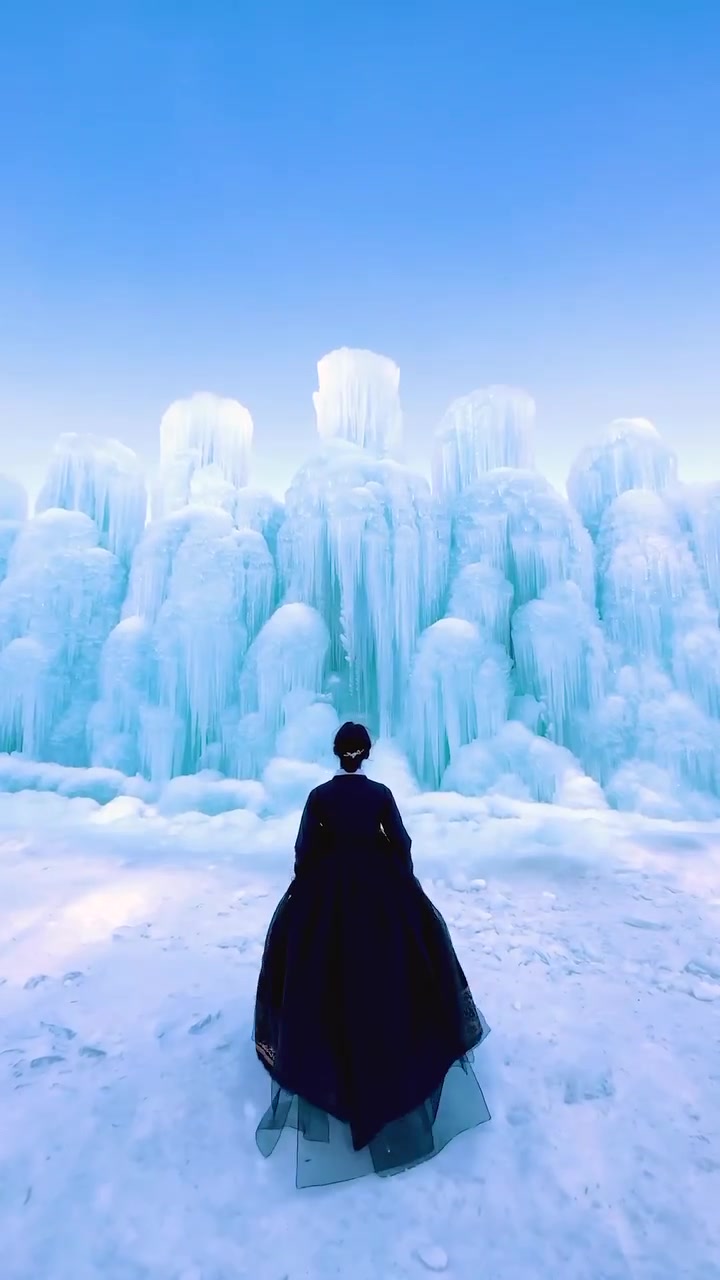
Ice sculptures are often a fleeting phenomenon at ice festivals, designed for specific climates. But they are also awe inspiring. It is a brief freezing of water into art, like a winter festival dance, only the dancers are snowflakes.
The Dance of Ice
An ice sculpture is a crafted frozen art form that often incorporates elements of nature. It is somewhat like a snowflake — crystallized water made from ice blocks that are shaved, bent, and molded. The artist slices the ice to the shape or form, then attaches the pieces, like a large-scale puzzle. To add more intricacy, like how they artistically cut, create splinters for edges or details, new tools are added. The final step is often to let the shape thaw slightly, allowing the edges to soften for a uniquely icy finish, like the softness of wood carvings. "The tools and techniques can vary, from traditional Japanese-style chainsaws to modern electric ice carving tools." And heat is the sculptor's enemy. The artistry of an ice sculpture is the meticulous balance between precision and fragility.
The Winter Festival Tradition
If snowflakes are nature’s ice art, Ice sculpture festivals are people's. The artistry is a long-standing tradition, which began in Japan. Inexpensive materials are used to take the art to the streets. The ice sculptures are set up for people to enjoy in the winter landscape. Grounded in Japan tradition, but freely interpreted by other nations, it is popular in northern climates — quiet mountains tucked in Canada and Alaska, and sprawling festivals in Minnesota and New York. Ice sculptures evoke a delicate beauty, ice offers a malleable medium that is a variety of white while not always being white. People take the chance to visit festivals, to see how the ice sculpture will interact with the frost.
The Anthropology of Ice
Ice sculptures — an artistic form that began in Japan, which required sculpture artists to master the skills in a cold climate. In the beginning, sculpture artists cut ice blocks with hand tools; chisel and a hammer were used first, until power tools were introduced. "Japan's festival celebrates the icy landscape, usually around wintertime. Through the 1970s, ice sculpture festivals began attracting visitors. Today, enthusiastic art fanatics travel to witness the beauty and enjoy the festival activities, like having a snow fight.
The Birth of the Sculpture
Some believe the concept of creating an ice sculpture has been around for centuries, but became popular in Japan. It began as a form of traditional art, but has since evolved into an ice festival. Tools continued to evolve from handsaws to chainsaws and ice carving machines to chisel and a hammer.
The Tools of the Trade
The simplest ice-carving tool is the saw. An ice sculptor carves the ice while the ice blocks are set on a bed of fine sand for better control and maneuverability. When the process starts, the ice blocks are cut into smaller blocks. Ice sculpture artists will often use water to shape the ice. Once the basic shape is prepared, the sculpting process begins. Tools like CARBIDE SCULPTING BITS. Using traditional Japanese-style chainsaws to modern electric ice carving tools, the carver uses a combination of chisels, saws, and electric carving tools to chip away at the blocks.
The Cold Climate
Ice sculptures take time and effort to make. Because it is ephemeral, the sculpture can suffer damage from sunlight or abrupt changes in temperature. But winter festivals provide the perfect environment for ice sculptures that allow ice sculptures to thrive. The temperature needs to be low enough to keep the sculpture solid but warm enough to keep the ice itself from melting. Because ice sculptures freeze around the daily low temperature during the festival, ice sculptures are seasonal and weather dependent. They are specially designed to be fragile enough to melt. The artistry of ice sculptures is swept away by the seasons. The cold weather and melting ice sculptures give the sculptures a unique aesthetic.
Beauty in Fleeting Art
The sculpture must be as fresh as possible. How does the artist make the sculpture indistinguishable from the landscape? With patience, a sculptor can make thousands of cuts, shaping and carving the surface of the materials. The thicker the ice, the longer it takes to create the sculpture. Ice sculptures require a keen eye for detail. When slicing the material, an ice sculptor must control the weight, movement, and balance of the tools and the ice. Each heavy layer of ice makes the sculpture more stable, but it can also make the sculpture more difficult to carve. Ice sculptures are often designed with rectangular bases to keep them upright, for providing a stable foundation. But for the artist, for most ice sculptures, an upright shape is too simple for the ice sculpture’s impact. For the artist, the sculptures are balanced like a house of cards, balanced on the edge of the frigid landscape. A person in a dark dress poses in front of ice sculptures. A person in an elegant dress is posed in front of the impressive ice sculpture. Long, flowing dresses can capture the imagination, but the mold of the ice sculptor allows the ice sculptures to take center stage. Ice sculptures are a testament here. In a world of impermanence, ephemerality is beauty.
Watch the Reel
Questions readers ask
What does it mean that ice sculptures are a fleeting phenomenon?
Ice sculptures are considered fleeting because they are designed to be temporary art forms. They are created for specific events or festivals and are meant to be enjoyed in their original setting. Due to their nature, they are not meant to last long, and they are often displayed in cold climates, where they can survive for a limited time.
How do artists create such intricate details in ice sculptures?
Artists use a variety of tools to create intricate details in ice sculptures. They may use traditional tools like chisels and hammers, or modern tools like chainsaws and electric ice carving tools. Additionally, they may use water to shape the ice, adding splinters for edges or details, and allow the sculpture to thaw slightly to soften the edges for a uniquely icy finish.
Why are ice sculptures often displayed in cold climates?
Ice sculptures are often displayed in cold climates because the cold temperature helps to preserve the ice and prevent it from melting too quickly. This allows the sculptures to be enjoyed for a longer period of time. Additionally, the cold climate can enhance the beauty of the sculptures, as the ice can interact with the frost and create a unique visual effect.
How did ice sculpture festivals begin in Japan?
Ice sculpture festivals in Japan began as a form of traditional art, with artists using hand tools like chisels and hammers to carve ice blocks. Over time, the art form evolved and became more popular, with the introduction of power tools and the creation of ice festivals that attracted visitors from around the world.
Related deep dives
Similar reads based on topic and creator.

Recent articles
Fresh deep dives from the latest Reels we unpacked.

Comments
Be the first to comment.