Historical Computer Technology: The IBM System/360 and Its Place in Tech History
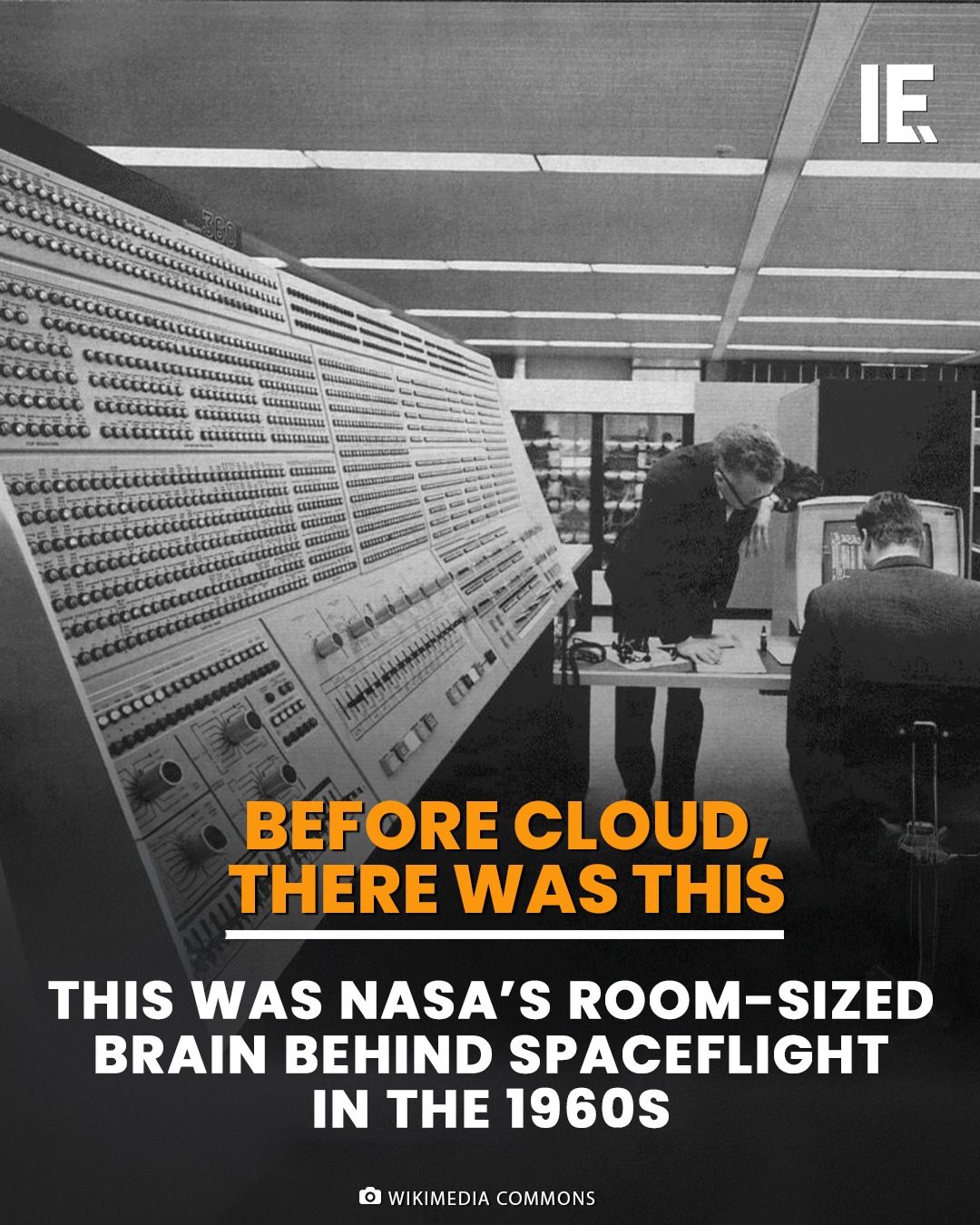
The IBM System/360 was a monumental piece of computing technology introduced in 1964. This room-sized machine, despite its enormous physical footprint and the cost of millions of dollars, represented a major leap forward for computing at the time. With its own air-conditioned facility and extensive capabilities, the System/360 became a cornerstone for the Apollo missions and laid the groundwork for modern computing.
Context: Understanding the IBM System/360
The IBM System/360 was a series of mainframe computers introduced in the 1960s. This system was revolutionary for several reasons. Firstly, it was designed to be modular, allowing users to upgrade and customize their systems as needed. This modularity was a turning point in computing, as it enabled businesses and organizations to adapt their computing power to meet evolving needs without having to purchase entirely new systems.
The System/360 also marked the beginning of the standardization of computer architecture. Before its introduction, each computer was a unique design, making it difficult and expensive to develop software and hardware. The System/360’s standardized architecture allowed for the development of compatible peripherals and software, facilitating a more unified and interoperable computing ecosystem.
Why This Matters
The IBM System/360 is more than just a piece of vintage technology; it is a pivotal milestone in the history of computing. Its influence extends far beyond the 1960s, setting the stage for the modern computing landscape. Understanding its significance helps us appreciate the leaps and bounds made in technology over the decades, from the early days of mainframes to today's advanced cloud computing systems.
The Evolution of Computing: From Room-Sized Machines to Modern Cloud
The Advent of the IBM System/360
The IBM System/360 was a groundbreaking invention that revolutionized the computing landscape. Introduced in 1964, it was a room-sized machine that cost millions of dollars and required its own air-conditioned facility. Despite its limitations, it set the stage for future advancements in computing. This machine was crucial for NASA’s spaceflight operations in the 1960s. It handled complex calculations and data processing, which were essential for the success of the Apollo missions.
The Transition to Cloud Computing
The journey from the IBM System/360 to today’s cloud computing is a testament to human ingenuity and technological progress. The cloud has evolved into a powerful and ubiquitous tool, transforming how we store, process, and access data. Modern cloud servers, such as those operated by companies like Amazon, Google, and Microsoft, offer vast amounts of computational power and storage at a fraction of the cost and space required by the IBM System/360.
The Role of Mainframes in Modern Computing
Mainframes, like the IBM System/360, are still in use today, albeit in a far more advanced form. Modern mainframes are used by large organizations for critical applications that require high reliability, security, and processing power. They handle tasks such as transaction processing, data analysis, and enterprise resource planning. While their footprint has significantly reduced, their importance in maintaining the backbone of modern computing remains unparalleled.
Notable Features and Applications of the IBM System/360
Modular Design
One of the most innovative aspects of the IBM System/360 was its modular design. This allowed organizations to customize their computing systems to fit their specific needs. Users could add or remove components as required, making the system highly versatile and adaptable. This modularity was a significant departure from the earlier rigid and monolithic systems, enabling businesses to scale their computing capabilities more efficiently.
Standardized Architecture
The System/360 introduced a standardized architecture, making it easier for developers to create compatible hardware and software. This standardization also allowed for the development of a unified ecosystem, where different components and peripherals could work seamlessly together. This approach laid the foundation for future generations of computers, making it easier to integrate and upgrade systems.
Impact on Space Exploration
The Apollo missions epitomized the pinnacle of human achievement in space exploration. The successful landing of the Apollo 11 on the moon in 1969 would not have been possible without the IBM System/360. This powerful machine handled the complex calculations and data processing required for the mission, ensuring the safety and precision of the astronauts and their equipment.
Practical Tips for Understanding Historical Computing
For those interested in understanding the evolution of computing, exploring the IBM System/360 and its role in space exploration is a great starting point. There are several resources available, including books, documentaries, and online archives, that provide detailed insights into this era of computing.
Visiting Museums
Many science and technology museums around the world have exhibits dedicated to historical computers, including the IBM System/360. These exhibits often include interactive displays and expert-guided tours, offering a hands-on experience of how early computing systems worked.
Online Resources
There are numerous online resources available for learning about the IBM System/360 and its impact on modern computing. Websites like the Computer History Museum and the IBM Archives provide detailed information, including photographs, videos, and historical documents.
Engaging with the Community
Joining online communities and forums dedicated to historical computing can also be a valuable resource. These communities often include enthusiasts, historians, and experts who share their knowledge and experiences, providing a deeper understanding of the topic.
Important Takeaways
The IBM System/360 is a testament to the incredible progress made in computing over the decades. From its groundbreaking modular design to its crucial role in space exploration, this machine laid the foundation for modern computing. Today, as we rely on advanced cloud computing systems, it's important to recognize the legacy of the IBM System/360 and its enduring impact on technology.
Conclusion
The IBM System/360 stands as a monument to the early days of computing, marking a significant milestone in the evolution of technology. Its innovative features and contributions to space exploration continue to influence modern computing. By understanding the history and significance of the IBM System/360, we gain a deeper appreciation for the advancements that have shaped the computing landscape we enjoy today.
Watch the Reel
Questions readers ask
What made the IBM System/360 stand out in the 1960s computing landscape?
The IBM System/360 stood out due to its modular and standardized architecture. This design allowed users to configure and upgrade their systems efficiently, a significant advancement for the time. It also featured extensive capabilities, including air conditioning and facilities, making it suitable for demanding tasks like NASA's Apollo missions.
How did the IBM System/360 contribute to NASA's Apollo missions?
The IBM System/360 played a crucial role in NASA's Apollo missions by providing reliable computing power. Its robust architecture and capabilities were essential for the complex calculations and data processing required for space travel, helping to ensure the success of the missions.
What were the key benefits of the modular design in the IBM System/360?
The modular design of the IBM System/360 allowed for customization and scalability. Users could add or upgrade components as needed, making the system adaptable to various computing tasks. This flexibility was a significant step forward in computing technology, enabling future innovations in computer architecture.
What was the physical footprint of the IBM System/360, and why was it necessary?
The IBM System/360 was a room-sized computer, reflecting the technological capabilities of the 1960s. Its large size was necessary to accommodate the extensive hardware and cooling systems required for its operations. Despite its size, the System/360 was a groundbreaking technology that paved the way for modern computing systems.
Why was the IBM System/360 considered a groundbreaking innovation in 1964?
The IBM System/360 was considered groundbreaking due to its advanced architecture and capabilities. It introduced the concept of a standardized, modular mainframe computer, which allowed for unprecedented customization and interoperability. This innovation laid the foundation for future developments in computer technology.
How did the development of the IBM System/360 affect the tech industry in the 1960s?
The development of the IBM System/360 significantly impacted the tech industry by setting new standards for computing architecture. Its success influenced the design of future mainframe computers and inspired advancements in computer technology, making it a pivotal moment in tech history.
What kind of extensive capabilities did the IBM System/360 offer?
The IBM System/360 came with extensive capabilities, including advanced processing power, large storage capacities, and sophisticated input-output systems. It was designed to handle complex and demanding tasks, making it suitable for high-stakes applications like space exploration, where reliability and performance were crucial.
Related deep dives
Similar reads based on topic and creator.


Recent articles
Fresh deep dives from the latest Reels we unpacked.




Comments
Be the first to comment.