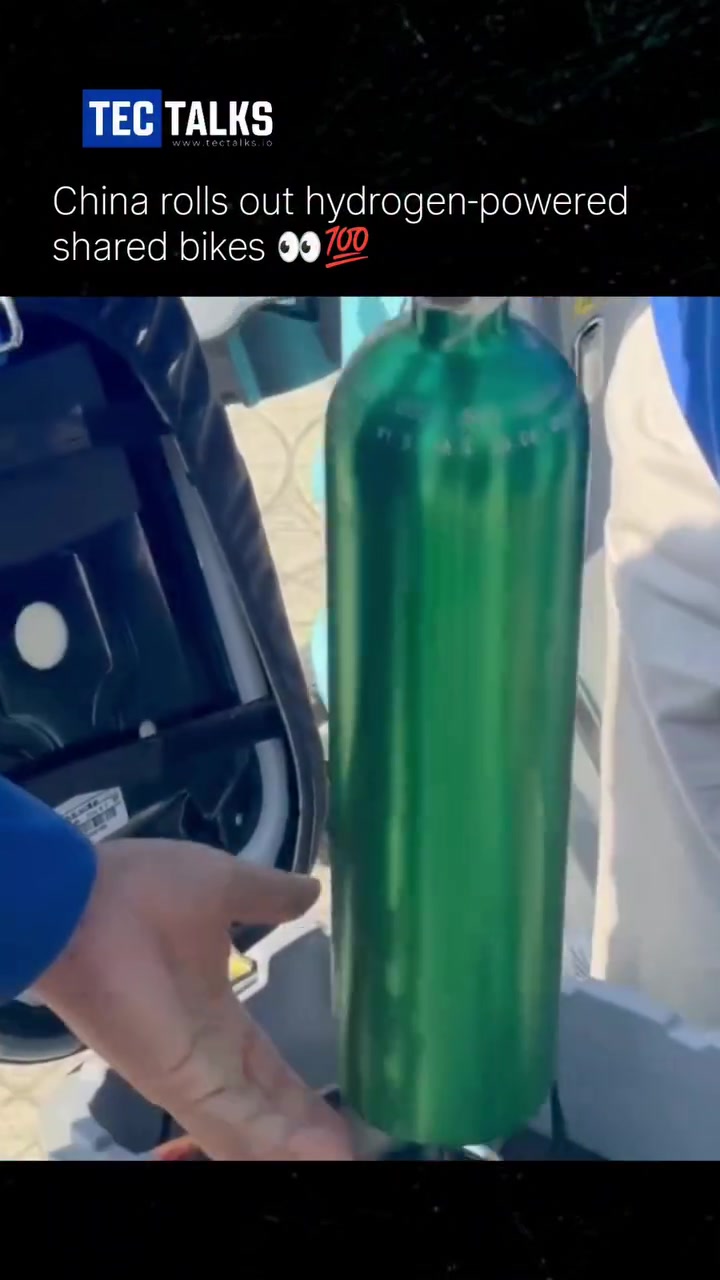
Hydrogen-Powered Shared Bikes: A New Era of Urban Mobility
China has introduced a groundbreaking innovation in urban transportation with the rollout of hydrogen-powered shared bikes. These vehicles operate differently from traditional electric bikes, using hydrogen fuel cells instead of battery packs and charging stations. The result? Zero-emission transportation that emits only water during operation. This shift represents a significant move towards green, low-carbon travel solutions in urban environments.
Why This Matters
The introduction of hydrogen-powered shared bikes marks a pivotal moment in the evolution of urban mobility. With cities around the world grappling with air pollution and the need for sustainable transportation, this innovation offers a promising alternative to battery-powered vehicles. It eliminates the reliance on charging infrastructure, which can be a logistical challenge in densely populated areas.
Furthermore, the environmental benefits are substantial. Hydrogen fuel cells produce zero carbon emissions, making them a cleaner option compared to both traditional gasoline-powered vehicles and battery-powered bikes. This technology aligns with global sustainability goals, aiming to reduce the carbon footprint of urban transportation.
Main Discussion
The Technology Behind Hydrogen-Powered Bikes
Hydrogen-powered bikes operate on a different principle compared to conventional electric bikes. Instead of relying on battery packs, these bikes use hydrogen fuel cells. These cells convert hydrogen into electricity, which then powers the bike. The process produces water as the only byproduct, making it a zero-emission option.
One of the key advantages of this technology is the absence of charging stations. Refueling these bikes is as simple as refueling a conventional vehicle, but with a much cleaner process. This eliminates the need for extensive charging infrastructure, which can be a significant barrier in dense urban areas.
Comparison to Battery-Powered Bikes
Battery-powered shared bikes are already common in many cities. They offer a convenient and eco-friendly mode of transportation. However, they come with their own set of challenges, primarily the need for regular charging. This often means that these bikes need to be returned to charging stations, which can be time-consuming and inconvenient for users.
Hydrogen-powered bikes address this issue by offering a more flexible refueling process. Instead of searching for a charging station, users can refuel the bikes quickly, allowing them to be back on the road in no time.
Practical Applications and Challenges
Hydrogen-powered shared bikes are particularly suited for urban environments where quick, efficient travel is essential. The technology's ability to refuel rapidly makes it ideal for short-distance commuting, shopping trips, and other daily activities.
However, there are challenges to consider. The infrastructure for hydrogen refueling, while simpler than charging, is still in its development stages. Additionally, the initial cost of setting up a hydrogen refueling network can be high. Maintenance and operational costs need to be carefully managed to ensure the feasibility of this technology.
Public Perception and Adoption
The public's response to these new bikes will be crucial for their success. Early feedback will focus on the convenience and sustainability of hydrogen-powered bikes compared to traditional electric ones. For instance, users will need to understand the benefits of a vehicle that emits only water and the advantages of quicker refueling over the traditional charging process.
Some users might also be concerned about the availability and accessibility of hydrogen refueling stations. Ensuring a robust network of refueling stations will be key to gaining widespread adoption.
Practical Tips
For Users
- Refueling: Familiarize yourself with the refueling process. It’s straightforward and faster than charging, making it more convenient for daily use.
- Ride Maintenance: Regular maintenance checks are essential to ensure the bike remains in optimal condition.
- Environmental Impact: Understand that choosing a hydrogen-powered bike is a step towards a greener, more sustainable future.
For Cities
- Infrastructure Development: Invest in a network of hydrogen refueling stations to support the new bikes.
- User Education: Educate the public about the benefits and operational differences between hydrogen and electric bikes.
- Policy Support: Implement policies that incentivize the use of hydrogen-powered bikes, such as subsidies or tax breaks for users and manufacturers.
Important Takeaways
Hydrogen-powered shared bikes are a revolutionary step in urban mobility. They offer a cleaner, more convenient alternative to battery-powered bikes, making them a viable option for future urban transportation. However, the success of this technology will depend on the development of a robust refueling network and public acceptance. As cities continue to seek sustainable solutions, these hydrogen-powered bikes could play a pivotal role in reducing urban carbon emissions and promoting green travel.
Conclusion
The introduction of hydrogen-powered shared bikes in China represents a significant advancement in sustainable urban mobility. These bikes offer a clean, efficient alternative to traditional electric bikes, emitting only water and requiring less infrastructure for refueling. While there are challenges to overcome, the potential benefits to both the environment and urban commuters make this an exciting development to watch. As technology and infrastructure evolve, hydrogen-powered shared bikes could become a cornerstone of future urban transportation.
Watch the Reel
Questions readers ask
How do hydrogen-powered bikes differ from traditional electric bikes?
Hydrogen-powered bikes use hydrogen fuel cells to generate energy, unlike traditional electric bikes that rely on battery packs. This means they produce zero emissions, emitting only water, while traditional electric bikes depend on charging stations, which rely on the grid's power mix, potentially including emissions-producing sources.
What are the advantages of hydrogen-powered bikes over battery-powered counterparts in urban settings?
Hydrogen-powered bikes offer a more sustainable solution for urban transport by emitting only water. They also reduce the reliance on charging infrastructure, which can be cumbersome and inefficient in densely populated areas. Additionally, refueling is faster than recharging, leading to less downtime for shared vehicles.
Why are hydrogen-powered bikes considered a significant advancement for urban transport in China?
Hydrogen-powered bikes address key urban transport challenges by providing a zero-emission transport mode. They help reduce air pollution and offer a sustainable solution for short and long trips in cities, making them a pivotal step in promoting greener urban mobility.
Are hydrogen-powered bikes cheaper to run than battery-powered bikes?
The operational costs of hydrogen-powered bikes can be competitive with battery-powered bikes, especially when considering the efficiency and lower maintenance requirements. The 'fuel' used in these bikes is hydrogen, which can be produced from a variety of sources, including renewable energy. Over time, as hydrogen production and infrastructure expand, the cost will likely decrease further.
How do hydrogen-powered bikes refuel, and how long does it take?
Hydrogen-powered bikes refuel by filling their tanks with hydrogen fuel, usually at specialized hydrogen refueling stations. The refueling process is much quicker than recharging batteries. It typically takes just a few minutes, making it convenient for shared vehicle systems and reducing downtime.
What are the environmental benefits of using hydrogen-powered bikes in cities?
They emit only water during operation, significantly reducing urban air pollution. By utilizing hydrogen, which can be produced from renewable sources, these bikes contribute to a lower-carbon transport ecosystem, helping cities meet their emission reduction goals.
What is the current infrastructure for hydrogen-powered bikes in China?
China has been rapidly expanding its hydrogen infrastructure to support hydrogen-powered vehicles, including bikes. This includes the establishment of hydrogen refueling stations, particularly in urban areas, to ensure the practicality and convenience of using these zero-emission bikes. The number of refueling stations is expected to grow, enhancing accessibility and convenience.
Related deep dives
Similar reads based on topic and creator.




Recent articles
Fresh deep dives from the latest Reels we unpacked.




Comments
Be the first to comment.