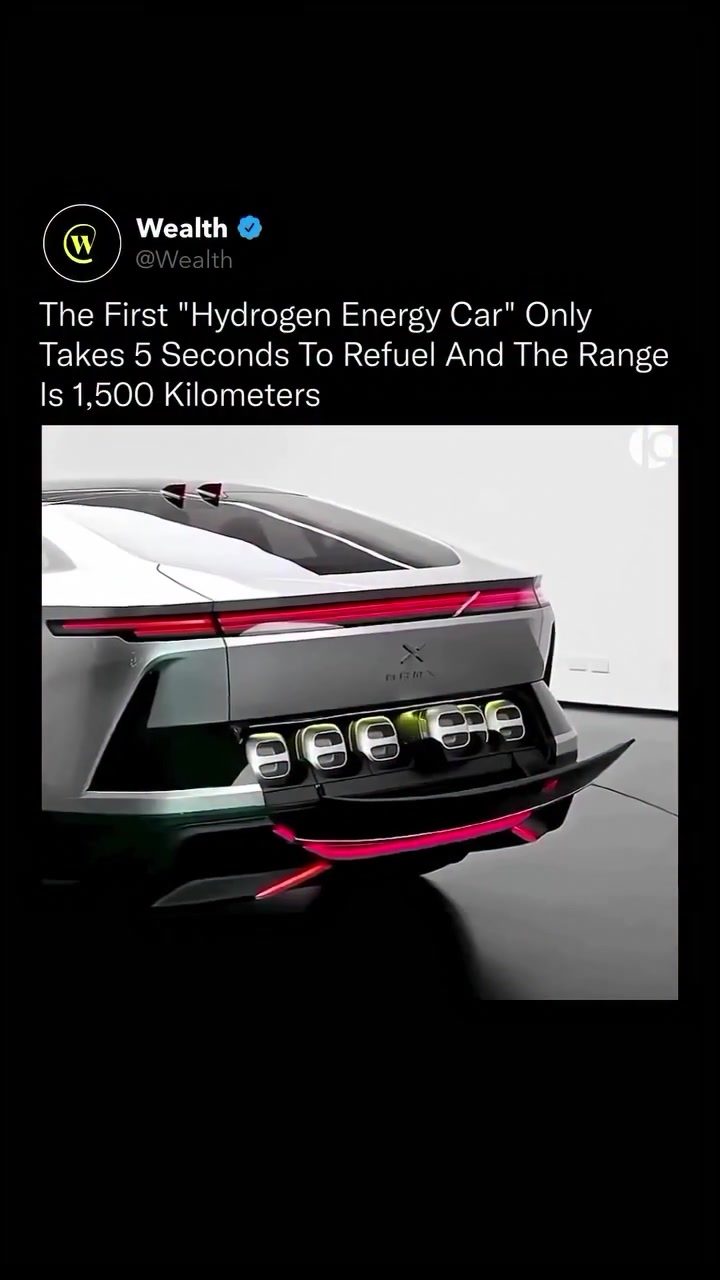
Hydrogen-powered cars are paving the way for a cleaner, more efficient future in transportation. These vehicles utilize hydrogen fuel cells to generate electricity, which powers the car. The process involves combining hydrogen with oxygen, producing water vapor as the only emission. This makes hydrogen cars an attractive alternative to traditional gasoline engines and electric vehicles that require lengthy charging times.
The Benefits of Hydrogen Fuel
Zero Emissions
Hydrogen-powered cars offer a significant environmental advantage. The only byproduct of the fuel cell reaction is water vapor, making them truly zero-emission vehicles. This contrasts sharply with gasoline cars, which produce harmful pollutants, and even some electric vehicles, which may still rely on electricity generated from fossil fuels. By eliminating these emissions, hydrogen cars help reduce air pollution and combat climate change.
Quick Refueling
One of the standout features of hydrogen cars is their rapid refueling process. Unlike electric vehicles that can take hours to charge, hydrogen cars can be refueled in just seconds. This convenience is a game-changer for drivers who need to minimize downtime and get back on the road quickly. The refueling station connects to the car's hydrogen tank, filling it in no more than 5 seconds. This speed means hydrogen-powered cars can match the convenience of gasoline cars without the environmental downsides.
Long Driving Range
Hydrogen-powered cars boast an impressive driving range. The fuel cells allow these vehicles to travel extended distances on a single tank. The car in question can cover up to 1,500 kilometers before needing a refill, making it a practical choice for long-distance travel. This range is competitive with many gasoline cars and even surpasses that of many electric vehicles, which typically need to be recharged every few hundred kilometers.
How Hydrogen Fuel Cells Work
Hydrogen fuel cells operate by combining hydrogen and oxygen to produce electricity. This process is clean and efficient, providing a reliable power source for the vehicle. The fuel cell converts chemical energy into electrical energy, which then powers the car's electric motor. The hydrogen is stored in high-pressure tanks within the vehicle, ensuring a safe and efficient energy storage solution. The only byproduct of this process is water vapor, which is harmless to the environment.
The Infrastructure Challenge
One of the primary hurdles for widespread adoption of hydrogen cars is the development of refueling infrastructure. While hydrogen refueling stations are becoming more common, they are still not as widespread as gasoline stations or even electric vehicle charging points. This limited availability can make it challenging for drivers to find refueling stations, especially in rural areas. However, as more governments and private companies invest in hydrogen technology, this infrastructure is expected to grow rapidly.
Government and Industry Support
Governments and industries are increasingly recognizing the potential of hydrogen fuel cells. Many countries are investing in research and development to advance hydrogen technology and build the necessary infrastructure. This support is crucial for making hydrogen cars a viable option for a broader range of drivers. Additionally, collaborations between automakers and energy companies are fostering innovation and driving down the cost of hydrogen production and distribution.
Public Awareness and Acceptance
Public awareness of hydrogen cars is growing, but there is still a lot to be done in terms of education and acceptance. Many people are unfamiliar with how hydrogen fuel cells work or the benefits they offer. Increasing public knowledge about the technology and its advantages can help drive demand and encourage more people to consider hydrogen cars as a viable option.
Practical Tips for Hydrogen Car Owners
Refueling Best Practices
To maximize the efficiency and longevity of your hydrogen car, follow these refueling best practices:
- Use Approved Stations: Always refuel at authorized hydrogen stations to ensure safety and efficiency.
- Check Tank Pressure: Ensure the hydrogen tank pressure is within the recommended range before and after refueling.
- Maintain Fuel Cells: Regular maintenance of the fuel cells can help maintain their performance and longevity.
Driving and Maintenance
- Efficient Driving: Drive efficiently by avoiding sudden accelerations and braking, which can help conserve energy and extend the range.
- Regular Maintenance: Schedule regular maintenance checks to keep the fuel cells and other components in optimal condition.
- Monitor Emissions: Although hydrogen cars produce water vapor, it's still important to monitor any unusual emissions to ensure the fuel cells are functioning correctly.
Refueling Locations
To find hydrogen refueling stations, use mobile apps and online resources that provide real-time information on station locations and availability. Some popular apps include:
- Hydrogen Station Finder: This app provides a comprehensive map of hydrogen refueling stations, including user reviews and real-time availability.
- Hydrogen Refueling Network: This tool offers detailed information on station locations, operating hours, and pricing, making it easier to plan your trips.
By using these resources, you can ensure that you always have access to a refueling station when you need it.
Important Takeaways
Hydrogen-powered cars represent a significant leap forward in sustainable transportation. Their zero-emission technology, rapid refueling capabilities, and long driving range make them a practical and eco-friendly choice for drivers. As the infrastructure for hydrogen refueling continues to grow, and public awareness increases, these cars are poised to play a crucial role in reshaping the future of transportation, energy, and urban design. By embracing hydrogen technology, we can move toward a cleaner, more efficient, and sustainable world.
Conclusion
The future of driving is here, and it breathes hydrogen. Hydrogen-powered cars offer a compelling alternative to traditional gasoline and electric vehicles, providing a cleaner, more efficient driving experience. With their rapid refueling times, long driving ranges, and zero emissions, these cars are paving the way for a more sustainable future. As the infrastructure and public awareness continue to grow, hydrogen-powered cars are set to revolutionize the automotive industry and contribute to a greener planet.
Watch the Reel
Questions readers ask
How do hydrogen cars achieve zero emissions?
Hydrogen cars produce zero emissions by using hydrogen fuel cells that combine hydrogen and oxygen to generate electricity. The only byproduct of this process is water vapor, making them an environmentally friendly option compared to gasoline cars and some electric vehicles.
What is the refueling process like for a hydrogen car?
Refueling a hydrogen car is quick and convenient, taking only a few minutes. This makes hydrogen cars a practical choice for daily use and long journeys, as they can be refueled almost as fast as a conventional gasoline car.
How does the range of a hydrogen car compare to other vehicles?
Hydrogen cars can travel up to 1,500 kilometers on a single tank, making them a top contender for long range. This means hydrogen cars can often travel further on a single fill-up than many electric vehicles and gasoline cars.
What is the efficiency of hydrogen fuel technology?
Hydrogen fuel technology is highly efficient, as it converts the chemical energy in hydrogen to electrical energy with minimal losses. This efficiency, coupled with the fast refueling process, makes hydrogen cars a strong alternative to traditional gasoline and electric vehicles.
How do hydrogen cars compare to electric vehicles in terms of daily use?
Unlike electric vehicles that require lengthy charging times, hydrogen cars can be refueled in seconds. This makes hydrogen cars a convenient option for daily use. They are also ideal for quick, regular trips.
What is the future of hydrogen cars?
The future of hydrogen cars is promising. With advancements in hydrogen fuel cell technology and the expansion of refueling infrastructure, hydrogen cars are poised to become a mainstream alternative to traditional gasoline and electric vehicles.
Related deep dives
Similar reads based on topic and creator.



Recent articles
Fresh deep dives from the latest Reels we unpacked.




Comments
Be the first to comment.