Hummingbirds and Sunlight: A Natural Marvel
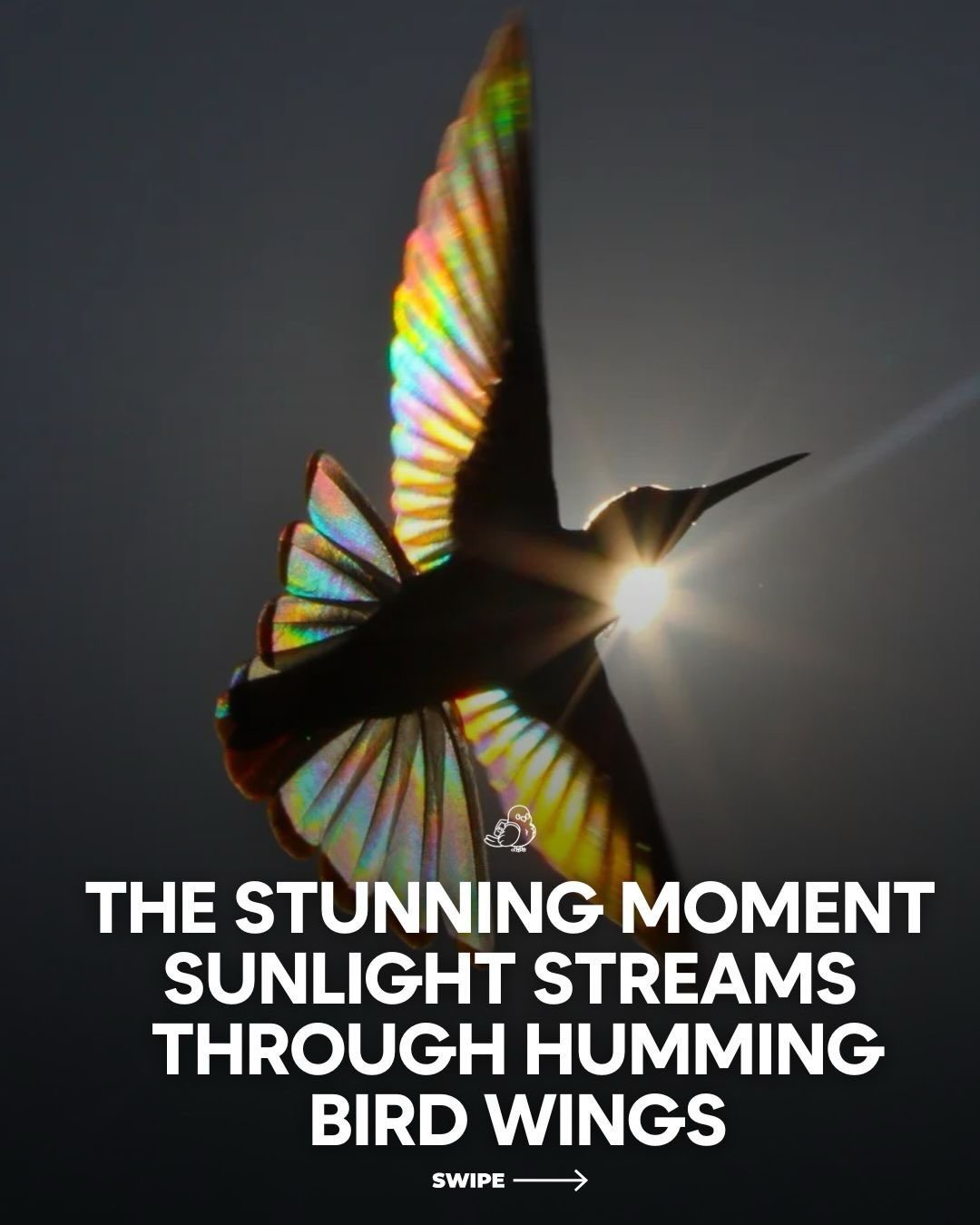
Hummingbirds are renowned for their tiny size and remarkable agility, but one of the most captivating aspects of these birds is the dazzling display created when sunlight passes through their wings. This natural phenomenon, often overlooked in day-to-day life, is a stunning interplay of light and color that has inspired photographers and nature enthusiasts worldwide.
Why This Matters
Understanding the science and beauty behind the sunlight streaming through hummingbird wings offers a deeper appreciation for the natural world. It also underscores the importance of preserving the environments where these magical moments can be witnessed. The interplay of light and the unique structure of hummingbird wings creates a spectacle that is both scientifically fascinating and visually breathtaking.
The Science Behind the Magic
Iridescent Feathers
The vivid colors displayed by hummingbird wings are due to iridescence, a property that reflects different wavelengths of light depending on the angle of view. This optical phenomenon is created by the microstructures within the feathers. When sunlight hits these feathers, it is refracted and reflected in a way that produces a rainbow-like effect. Unlike pigment-based colors, iridescent colors are structural and change with the angle of light and the observer's perspective.
The Role of Light
The sunlight plays a crucial role in this display. When it filters through the wings, it is diffracted and scattered by the tiny, overlapping feathers. This creates a prismatic effect, breaking down the light into its constituent colors. The result is a mesmerizing display of reds, blues, greens, and purples that dance across the wings as the hummingbird moves.
Capturing the Moment
Photography Techniques
Capturing this fleeting moment requires not only a keen eye but also the right equipment and techniques. Photographers often use high-speed lenses and fast shutter speeds to freeze the action. Positioning the camera to capture the sunlight streaming through the wings at the right angle is essential. It’s a challenge, but the reward is a breathtaking image that reveals the natural beauty of the hummingbird’s flight.
The Art of Patience
Photographers who specialize in capturing such moments, like Christian Spencer, emphasize the importance of patience. Waiting for the perfect moment when the sunlight and the hummingbird align can take hours, if not days. The patience and dedication required to capture a truly stunning photograph is part of what makes these images so valuable.
Practical Tips for Viewing and Capturing
For Viewers
To witness this natural marvel, visit areas known for hummingbird habitats, such as gardens with nectar-rich flowers or natural reserves. Early morning and late afternoon are the best times to see this phenomenon, as the sunlight is softer and more diffused, creating a more pronounced effect.
For Photographers
- Equipment: Use a fast lens (f/2.8 or faster) and a high-speed camera to capture the rapid movements of the hummingbird. A tripod can also help stabilize the camera.
- Timing: Be ready to shoot early in the morning or late in the afternoon when the sunlight is softer and less harsh.
- Angle: Position yourself to capture the sunlight streaming through the wings at a right angle to the sun. This will maximize the iridescent effect.
- Patience: Spend time observing the hummingbird's movements and be prepared to wait for the perfect shot.
Important Takeaways
- Hummingbirds' wings exhibit iridescence, a structural color that changes based on the angle of view.
- Sunlight streaming through the wings produces a stunning prismatic effect due to the diffraction and scattering of light.
- Capturing this moment requires specialized equipment, patience, and a deep understanding of the hummingbird's behavior and feeding patterns.
- Viewing and appreciating this natural beauty can be an enriching experience, especially in areas where hummingbirds are abundant.
Conclusion
The moment when sunlight filters through a hummingbird’s wings is a natural spectacle that showcases the beauty and complexity of our ecosystem. Whether you’re a photographer seeking to capture this moment or a casual observer, understanding the science and beauty behind it can enhance your appreciation for these tiny, vibrant creatures. The interplay of light and the unique structure of hummingbird wings offers a glimpse into the wonders of the natural world, reminding us of the delicate balance and beauty that surrounds us.
Watch the Reel
Questions readers ask
What causes the vibrant colors when sunlight passes through hummingbird wings?
The vibrant colors are a result of a phenomenon called iridescence. Hummingbird wings have tiny structures that reflect and refract light in a way that creates a spectrum of colors when the sunlight hits them at certain angles.
What is the best time of day to capture the sunlight through hummingbird wings on camera?
The best time to capture this phenomenon is during the late afternoon or early morning when the sun is at a lower angle. This provides a softer light and better chances to capture the iridescence of the wings.
What equipment is recommended for photographing hummingbird wings in flight?
A fast shutter speed and a telephoto lens are recommended to capture the rapid wing movements. Cameras with burst mode and autofocus tracking features can also help in capturing the moment.
What are some tips for finding a good location to witness this phenomenon?
Look for areas where hummingbirds are known to frequent, such as gardens with nectar-rich flowers or feeders. Places with ample sunlight and open spaces for flight are ideal for witnessing and photographing this natural display.
Why do hummingbird wings appear to shimmer and change color?
The shimmering and color-changing effect is due to the way light interacts with the microscopic structures on the wings. As the bird moves, the angle of the light changes, creating a dynamic display of colors.
How can understanding this phenomenon help in nature photography?
Understanding the interplay of light and the unique structure of hummingbird wings can help photographers anticipate and capture the most stunning moments. It encourages patience and observation of natural behaviors, enhancing the overall experience.
What role does the environment play in witnessing this phenomenon?
The environment plays a crucial role as it provides the necessary conditions for hummingbirds to thrive. Healthy habitats with plenty of nectar sources and minimal disturbances ensure that these birds can be observed and photographed in their natural beauty.
Related deep dives
Similar reads based on topic and creator.



Recent articles
Fresh deep dives from the latest Reels we unpacked.




Comments
Be the first to comment.