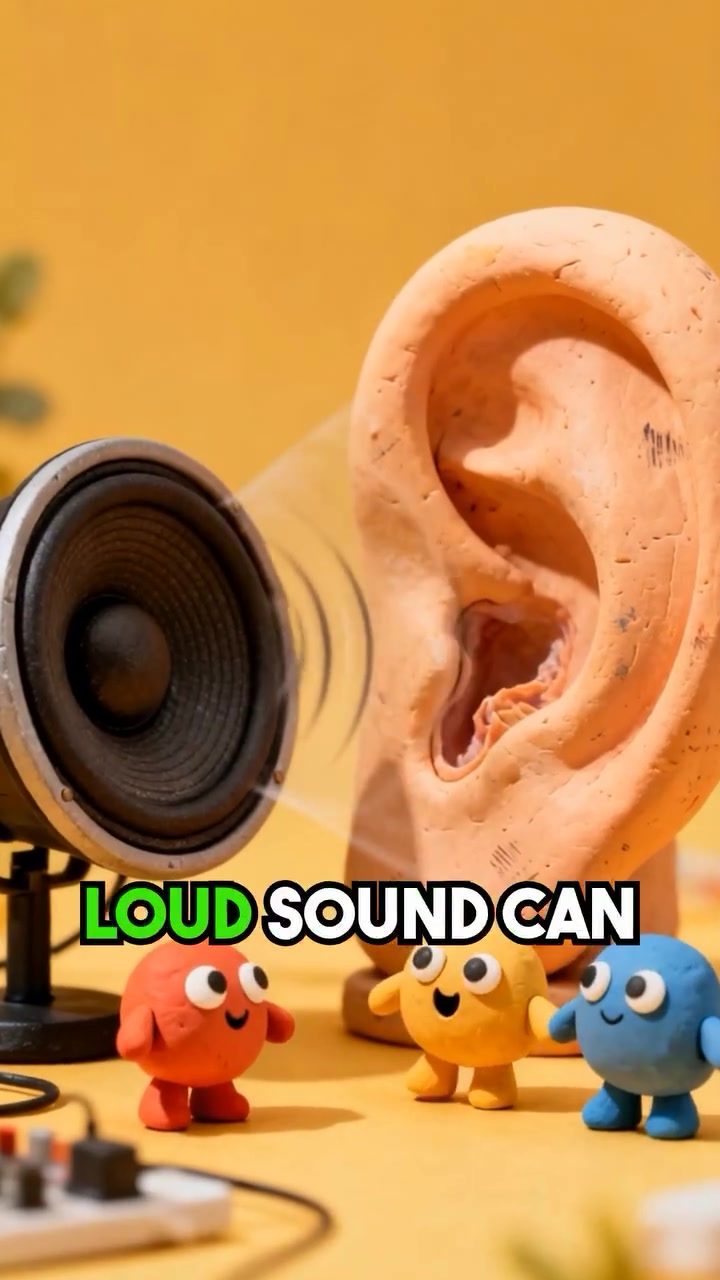
loud noises and hearing: understanding the impact
Everyone experiences loud noises. Whether it's a concert, a construction site, or even a loud party, these situations can have a significant impact on your hearing. The inner work of our ears is delicate, and prolonged exposure to loud noises can cause permanent damage that can't be reversed.
Why this matters
Understanding the impact of loud noises on your hearing is crucial for maintaining your auditory health. Most people don't realize how sensitive the inner ear is to loud sounds. The damage can accumulate over time, leading to serious hearing issues down the line.
Inside the ear: hair cells and sound vibrations
The inner ear contains thousands of delicate hair cells that play a critical role in converting sound vibrations into signals that the brain interprets as sound. These hair cells are incredibly sensitive and can be damaged by loud noises.
How loud noises affect hair cells
Loud noises can bend these hair cells so hard that they snap. Unlike many other cells in the body, hair cells do not regenerate. This means that once they are damaged, they are gone for good.
Symptoms of hearing damage
At first, damage to these hair cells may only cause symptoms like ear ringing or muffled hearing. However, repeated exposure to loud noises can gradually worsen these symptoms over the years. This deterioration can lead to more severe hearing issues, including permanent hearing loss.
Common sources of loud noises
Loud noises can come from various sources, and it's important to be aware of these potential hazards. Some of the most common sources of loud noises include:
Concerts and music festivals
Concerts and music festivals are beloved by many, but they can also pose a significant risk to your hearing. The combination of loud music and prolonged exposure can cause permanent damage to your hearing. Even with earplugs, the volume can be overwhelming.
Fireworks
Fireworks displays are a staple of celebrations, but the loud explosions can be hazardous to your hearing. The sudden, intense noise from fireworks can damage hair cells in the inner ear, leading to temporary or permanent hearing loss.
Heavy machinery
Workplaces with heavy machinery, such as construction sites or factories, can expose workers to extremely loud noises. Without proper ear protection, prolonged exposure to these sounds can lead to significant hearing damage. It's essential for workers in these environments to use hearing protection to safeguard their auditory health.
Protecting your hearing
Given the delicate nature of the hair cells in the inner ear, it's crucial to take steps to protect your hearing. Here are some practical tips to help you safeguard your auditory health:
Wear earplugs
Earplugs are an effective way to reduce the impact of loud noises on your hearing. They come in various sizes and shapes, and some are specifically designed for different environments. For example, musicians' earplugs are designed to reduce volume while maintaining audio clarity, making them ideal for concerts and live music events.
Choose the right earplugs
When selecting earplugs, ensure they are comfortable and provide the appropriate level of noise reduction. Different earplugs offer varying degrees of protection, so choose ones that are suitable for the environment you'll be in. For instance, high-fidelity earplugs are designed for musicians and concertgoers, while foam earplugs are great for construction sites and factories.
Limit your exposure
Even with earplugs, it's essential to limit your exposure to loud noises. Try to take regular breaks from noisy environments to give your ears a chance to recover. This can help prevent cumulative damage and reduce the risk of permanent hearing loss.
Monitor volume levels
Pay close attention to the volume levels of your music and other sound sources. Listening to music at high volumes, especially through headphones, can cause significant damage to your hearing over time. Keep the volume at a safe level and give your ears regular breaks from prolonged listening.
Important takeaways
Understanding the impact of loud noises on your hearing is the first step in protecting your auditory health. Loud noises can damage the delicate hair cells in your inner ear, leading to permanent hearing loss. By being aware of the risks and taking proactive steps to protect your hearing, you can enjoy loud environments safely.
Permanent damage is preventable
Remember that the damage caused by loud noises is permanent and cannot be reversed. By wearing earplugs, choosing the right protection, limiting exposure, and monitoring volume levels, you can prevent hearing damage and maintain your auditory health.
Proactive measures are key
Treat your hearing health with the same care and attention you would give to your physical well-being. Preventing hearing damage is much easier than dealing with the consequences of hearing loss. Take proactive measures to safeguard your hearing and enjoy your favorite activities without putting your auditory health at risk.
Conclusion
Loud noises can have a lasting impact on your hearing, but with the right knowledge and precautions, you can protect your auditory health. By understanding how loud noises affect the delicate hair cells in your inner ear and taking proactive steps to safeguard your hearing, you can enjoy loud environments while minimizing the risk of permanent damage. Always prioritize your hearing health and take the necessary precautions to keep your ears safe.
Watch the Reel
Questions readers ask
How do loud noises cause permanent hearing damage?
Loud noises cause permanent hearing damage by overwhelming and damaging the delicate hair cells in the inner ear. These hair cells are responsible for converting sound vibrations into signals that the brain interprets as sound. Once damaged, these hair cells do not regenerate, leading to permanent hearing loss.
What are the harmful noise levels that can damage hearing?
Noise levels that exceed 85 decibels (dB) can be harmful to your hearing, especially with prolonged exposure. For reference, a normal conversation is typically around 60 dB, while a loud concert or construction site can reach 100-115 dB. The louder the noise, the less time it takes to cause damage.
Can you regenerate hearing cells after they have been damaged by loud noises?
Unfortunately, once the hair cells in the inner ear are damaged by loud noises, they cannot regenerate. This is why it is crucial to protect your hearing from loud environments. Preventing damage in the first place is the best approach, as there are no known treatments to repair or regenerate these cells.
What are some tips for protecting your hearing in loud environments?
There are several ways you can protect your hearing in loud environments. Wear hearing protection devices, such as earplugs or earmuffs, to reduce the noise levels reaching your ears. Take regular breaks from the loud environment to give your ears a rest, and try to maintain a safe distance from the source of the loud noise.
How can I tell if a noise is too loud for my ears?
If you have to raise your voice to be heard by someone standing an arm's length away, the noise is likely too loud for your ears. Additionally, if you experience ringing in your ears or muffled hearing after leaving a loud environment, these are signs that the noise levels were potentially damaging to your hearing.
What are the first signs of noise-induced hearing loss?
The first signs of noise-induced hearing loss can be subtle and may include difficulty understanding speech in noisy environments, needing to turn up the volume on your TV or radio, or experiencing ringing in the ears (tinnitus). If you notice these signs, it is important to consult with a healthcare professional for an assessment.
Are there any hearing protection devices suitable for concerts and loud events?
Yes, there are specialized hearing protection devices designed for concerts and loud events. These devices, often called music or concert earplugs, are designed to reduce the volume of loud noises while preserving the quality of the sound. They can help protect your hearing without muffling the music, making them a great choice for music lovers who want to enjoy live events safely.
Related deep dives
Similar reads based on topic and creator.

Recent articles
Fresh deep dives from the latest Reels we unpacked.




Comments
Be the first to comment.