
The Himalayas' melting crisis
The Himalayan glaciers are melting at an alarming rate. The latest report indicates that these glaciers are now losing mass 65% faster than they were a decade ago. This poses a significant threat to long-term water supplies, as glacial lakes in India are now classified as high risk. Nearly 200 of these lakes now pose a danger of sudden glacial lake outburst floods. This dramatic shift underscores the urgency to address the accelerating pace of glacial melt. The melting has also caused floods and landslides in a major Brazilian city, São Paulo, killing 20,000 people. This disaster happened on September 14, 2026 and affected more than 20,000 people. The environmental impact of melting glaciers is not just a local issue. The melting of the Himalayan glaciers has far-reaching consequences for regions downstream. The increased water from melting glaciers can cause flooding and landslides, as well as potentially alter water supplies, which is a real risk for large populations. The impact of these changes is not just environmental; it is also a humanitarian issue, with communities facing increased risk of natural disasters and water scarcity. The rapid melting of these glaciers poses a risk not only to the people in the region, but also to the entire planet.
Crater continues to bubble
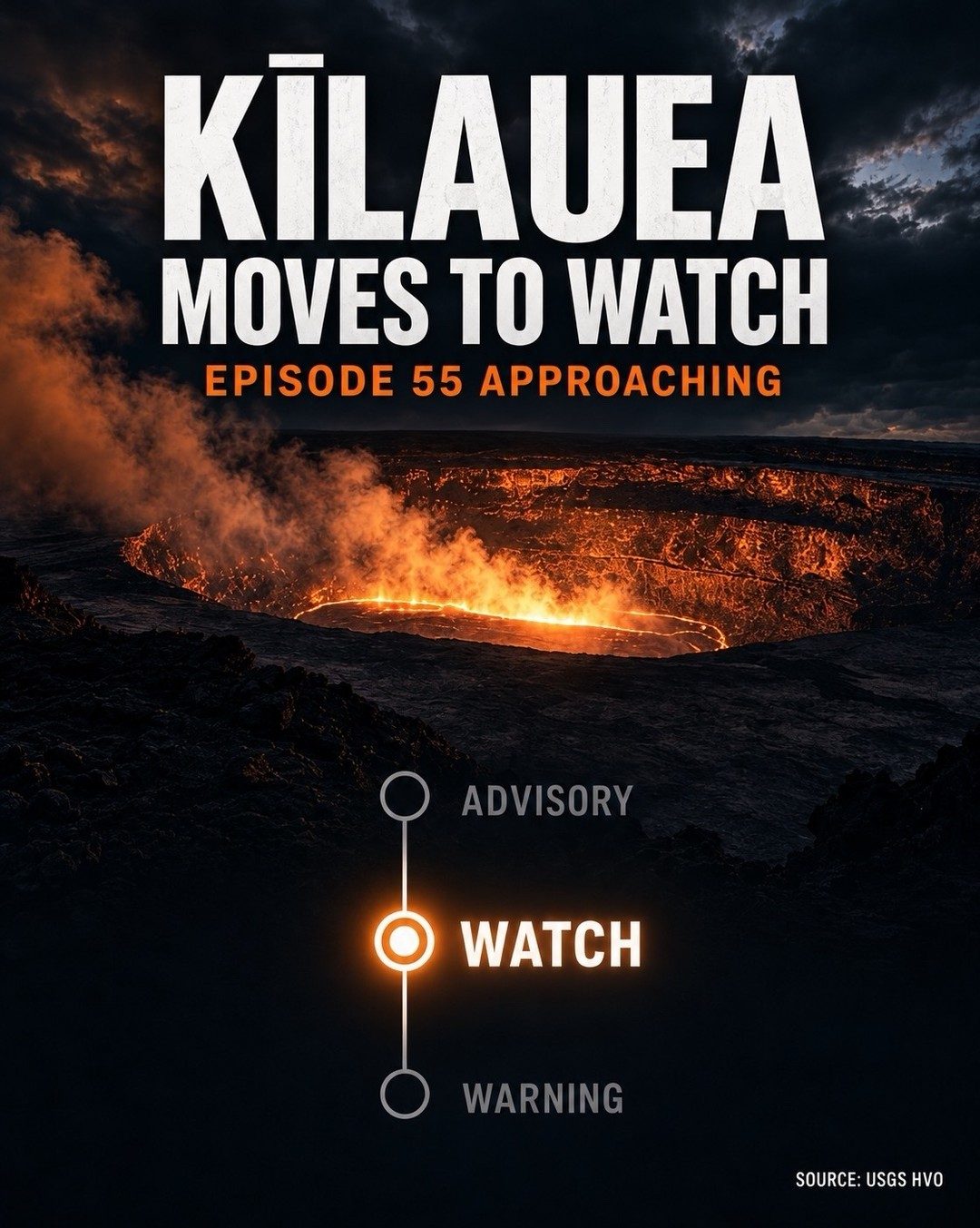
Great Sitkin's summit crater continues its slow lava eruption. The system is currently under watch and has been given a color code of orange. This means that the volcano is exhibiting signs of escalating unrest, and that an eruption is increasingly likely. The volcano has been closely monitored, and the aviation color code orange indicates that there is a significant risk to aircraft in the area. The continued eruption of Great Sitkin is a reminder of the power of these natural forces and the need for constant vigilance, especially given the increasing frequency of volcanic activity in the area. This eruption is part of a larger trend of increasing volcanic activity, and it is a reminder of the need for continued monitoring and preparedness. The ongoing eruption at Great Sitkin underscores the importance of monitoring and preparedness, as well as the need for research on these natural forces to better understand and predict their behavior.
Extreme weather events in Brazil and the United States
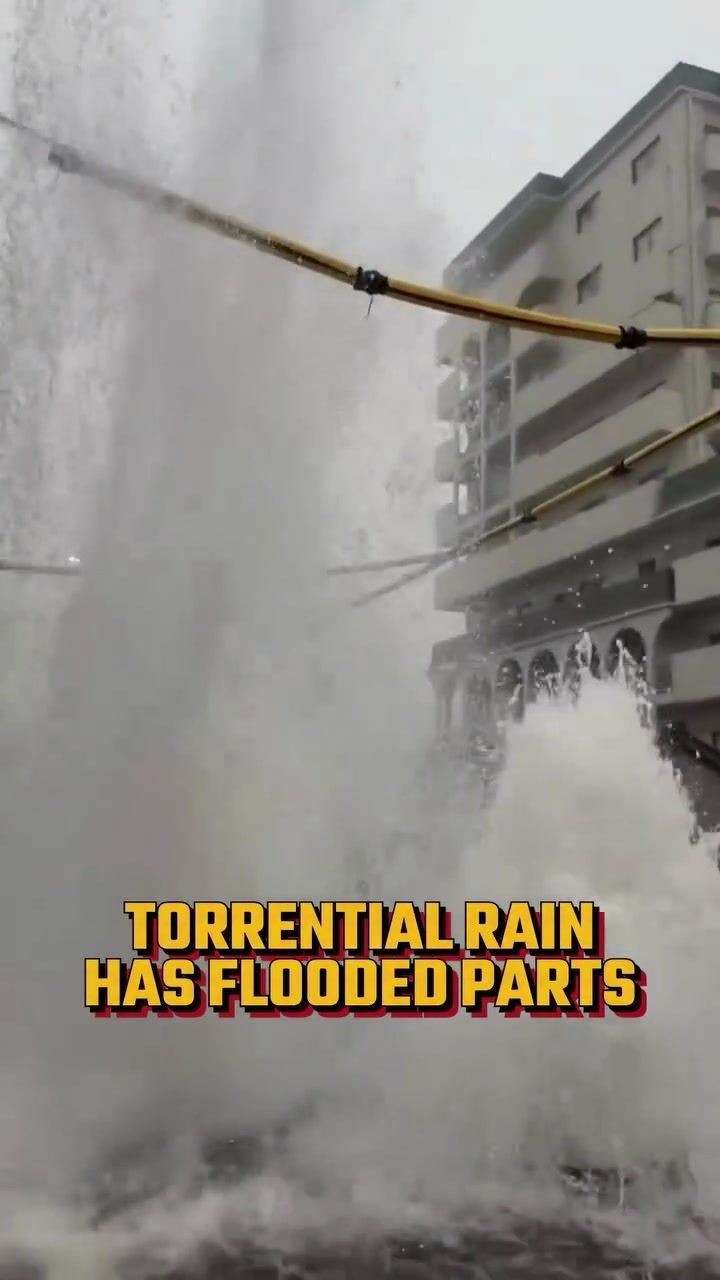
Extreme weather events are becoming more frequent and more severe as the climate changes. Severe storms have battered Paraná State in Brazil, causing widespread destruction and loss of life. The storms brought tornadoes, hail, flooding, and landslides. Tornadoes, hail, and landslides were among the reported events, which affected more than 20,000 people and killed four. Meanwhile, in Tucson, Arizona, flash flooding triggered at least three swift water rescues in a short span of time—less than 30 minutes. This highlights the increasing frequency and intensity of extreme weather events, which pose a significant threat to communities in the United States. These events are a reminder of the urgency of addressing climate change, as the frequency and severity of extreme weather events are expected to continue to increase.
The planet's shared vulnerability to climate change
The environmental challenges facing the planet are not isolated incidents; they are interconnected and part of a larger global trend. The melting of Himalayan glaciers, the eruption of Great Sitkin, and the extreme weather events in Brazil and the United States are all part of a broader pattern of climate change. Environmental events like these are a reminder that we all share the same planet, and that the challenges we face are not limited to one region or one type of natural event. They are also a reminder of the interconnectedness of the planet, and the need for global cooperation to address these challenges. While these disasters have many factors, the most certain is that they have a cumulative impact on the planet.
Watch the Reel
Related deep dives
Similar reads based on topic and creator.
Recent articles
Fresh deep dives from the latest Reels we unpacked.

Comments
Be the first to comment.