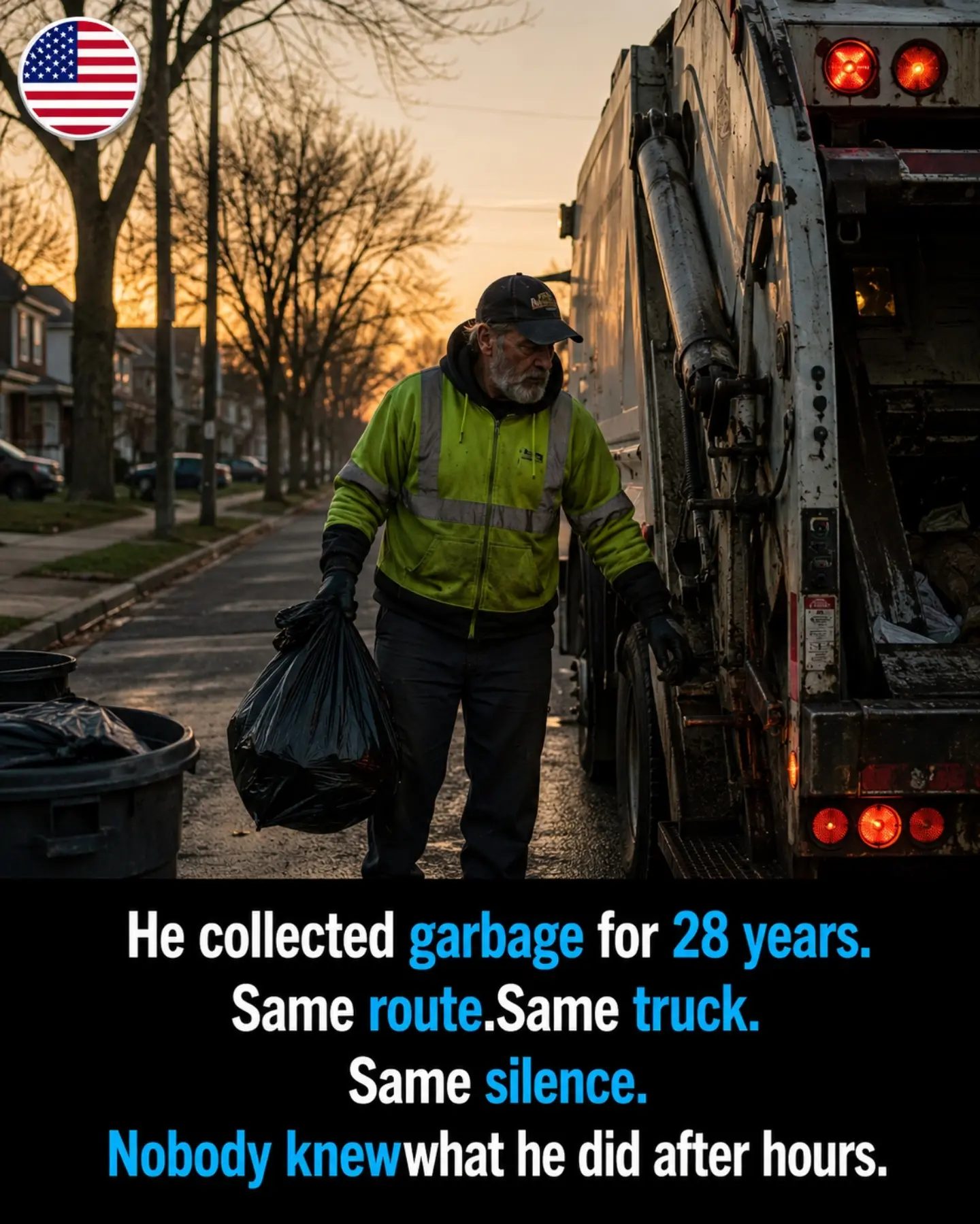
Garbage Collectors: The Unsung Heroes of Waste Management
Garbage collectors play a vital role in maintaining the cleanliness and hygiene of communities. Their work often goes unnoticed, but it is essential for public health and environmental sustainability. This article explores the dedication of garbage collectors, their daily routines, and the challenges they face.
Why This Matters
Garbage collection is a critical municipal service that directly impacts the quality of life in urban and rural areas alike. By understanding the work and dedication of garbage collectors, we can appreciate the intricate systems that keep our communities clean and healthy. Moreover, recognizing the challenges they face can pave the way for better policies and public support.
The Dedication of Garbage Collectors
Long-Term Commitment
There are individuals who dedicate decades of their lives to this essential service. Take, for instance, a garbage collector who worked the same route for 28 years. Such commitment is a testament to the dedication and reliability of these workers. Imagine the consistency of their daily routine — picking up trash from the same houses, driving the same truck, and ensuring that waste is efficiently managed. This level of dedication is not just about collecting trash; it’s about maintaining a clean and safe environment for everyone.
The Routine of a Garbage Collector
A typical day for a garbage collector starts early, sometimes before dawn, involving meticulous planning and precision. Here's a closer look at their daily routine:
-
Preparation: Before hitting the road, the crew prepares the garbage truck by ensuring all compartments are empty and ready for the day's collection. They also check the truck's mechanical condition to avoid any breakdowns.
-
Collection: The actual collection process involves driving through designated routes, picking up trash from curbside bins, and emptying them into the truck. This requires careful maneuvering, especially in urban areas where streets are narrow and parking is limited.
-
Sorting: Many modern garbage trucks are equipped with compartments for different types of waste, such as recyclables, organic waste, and general trash. Collectors must sort the waste as they collect it, which requires a keen eye and quick decision-making.
-
Returning to Base: After completing the route, the crew returns to the base to unload the waste. The collected waste is then sorted further and sent to landfills, recycling plants, or composting facilities.
The Mystery of Their Personal Lives
For many garbage collectors, their professional and personal lives are distinctly separate. Outside of their uniform, they often lead quiet, private lives. There's an intriguing aspect of their lives that remains hidden from the public eye, yet it is what makes them more human and relatable. The mystery surrounding their personal lives adds a layer of respect and intrigue, as they continue to serve the community with unyielding dedication.
Challenges Faced by Garbage Collectors
Physical Demands
The job of a garbage collector is physically demanding. It involves lifting heavy bags of trash, navigating tight spaces, and dealing with harsh weather conditions. This often leads to physical strain and potential injuries. The work environment can also expose them to hazardous materials, making it necessary for them to wear protective gear at all times.
Public Perception
Despite their crucial role, garbage collectors often face misconceptions and stereotypes. Many people view their work as low-status, which can lead to social stigma. There is a lack of public appreciation for the essential services they provide, leading to low morale and job satisfaction.
Work Conditions
Garbage collectors work in various environments, from residential neighborhoods to bustling city centers. Each location presents its unique set of challenges, such as traffic congestion, pedestrian interference, and sometimes hostile reactions from residents.
Technological Advancements
The introduction of new technologies is gradually changing the landscape of municipal services. Some cities are experimenting with automated garbage collection systems and smart bins that can monitor waste levels. While these advancements can improve efficiency, they also raise concerns about job displacement for human workers. It is essential to balance technological progress with the well-being of current employees.
Practical Tips for Supporting Garbage Collectors
Public Awareness and Appreciation
Raising public awareness about the importance of garbage collectors can go a long way in showing appreciation for their work. Community programs, social media campaigns, and local events can help highlight their contributions and foster a sense of gratitude.
Improving Work Conditions
Local governments can take steps to improve the working conditions of garbage collectors. This includes providing better safety equipment, regular maintenance of trucks, and ensuring fair wages and benefits. It is also crucial to offer training programs that focus on safety and efficiency.
Encouraging Community Engagement
Encourage community engagement by organizing events that bring residents and garbage collectors together. This could include appreciation days, where residents can thank their garbage collectors for their service. Such initiatives can help humanize the workers and build a stronger sense of community.
Important Takeaways
Garbage collectors are the unsung heroes who keep our communities clean and healthy. Their dedication, despite the physical demands and social challenges, is commendable. By recognizing their contributions and addressing the challenges they face, we can create a more supportive and appreciative environment for these essential workers.
Conclusion
Garbage collectors play a pivotal role in maintaining the cleanliness and hygiene of our communities. Their dedication, often unnoticed, is a testament to their commitment to public service. By understanding their challenges and providing support, we can ensure they continue to serve our communities with the same level of dedication and reliability.
Watch the Reel
Questions readers ask
What are the primary duties of a garbage truck driver?
A garbage truck driver is responsible for collecting and disposing of waste from residential and commercial areas. They operate specialized equipment, navigate through various routes, and ensure the proper collection and disposal of waste, including recycling and organic materials. Additionally, the driver must ensure the safety of the team and the public by operating the truck and equipment correctly.
What are the typical garbage collection shifts like?
Garbage collection shifts can vary but often include early morning or late-night hours to minimize disruption to the public. They are usually scheduled to coincide with days off such as weekends or holidays. These shifts can be physically demanding, lasting up to 8-10 hours, and may involve long hours of standing, lifting, and driving. Trucks can be outfitted with air conditioning to make the shifts more comfortable.
What challenges do garbage collectors face in their daily routines?
Garbage collectors encounter various challenges, including physical demands, exposure to harsh weather conditions, and potential hazards from sharp objects or hazardous materials. They often work long hours and may face public misperceptions about their role. Additionally, there is the challenge of working with outdated or poorly maintained equipment and navigating through tight spaces and heavy traffic.
How does waste management contribute to environmental sustainability?
Waste management processes, including recycling and composting, help reduce the amount of waste sent to landfills. By sorting and processing waste, garbage collectors help recycle materials like metal, plastic, and paper. This reduces the need for raw materials and lowers carbon emissions associated with the extraction of resources. This makes them vital workers in the green waste management movement.
What is the life span of a garbage truck?
The lifespan of a garbage truck can vary depending on usage, maintenance, and environmental factors like weather. On average, a well-maintained garbage truck can last between 15 to 20 years. Regular maintenance, including engine checks, tire rotations, and equipment inspections, is crucial to extend the lifespan and ensure the truck's reliability.
What equipment do waste management professionals use on a daily basis?
Garbage collectors use various specialized equipment, including waste collection trucks, compactors, and lifters to collect and dispose of waste efficiently. They also use protective gear like gloves, boots, and reflective vests to ensure safety. Additionally, some collectors may use handheld devices to track routes and manage waste collection processes. Safety gear is regularly inspected to ensure it is in good working order.
What impact does garbage collection have on public health?
Garbage collection plays a crucial role in public health by removing waste that can harbor bacteria, pests, and other health hazards. Regular waste collection helps prevent the spread of diseases and maintains a clean environment. By disposing of waste properly, garbage collectors reduce the risk of contamination and ensure the health and well-being of communities. This is why it is so important to follow municipal guidelines for waste disposal.
Related deep dives
Similar reads based on topic and creator.




Recent articles
Fresh deep dives from the latest Reels we unpacked.




Comments
Be the first to comment.