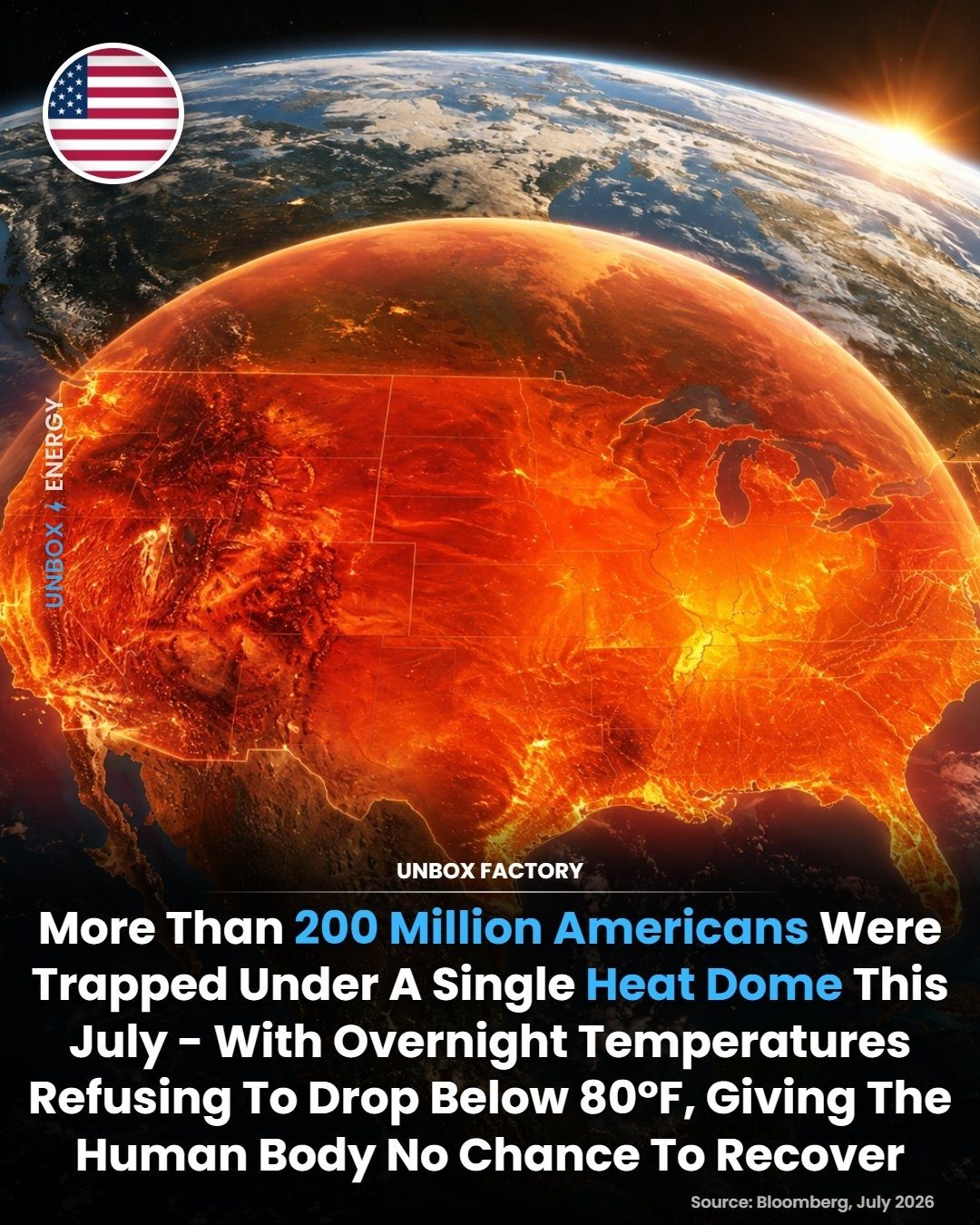
Extreme Heat Domes and Their Impact on the United States
In July 2026, an intense heat dome engulfed much of the United States, subjecting over 200 million people to sustained extreme temperatures. This phenomenon, where a large portion of the country is trapped under a heat dome, is characterized by temperatures that remain above 80°F (27°C) even at night, preventing the human body from cooling down and dramatically increasing the risk of heat-related illnesses such as heat exhaustion, dehydration, and heat stroke.
Why This Matters
Heat domes are not just about uncomfortable temperatures; they pose significant health risks and strain on infrastructure. Meteorologists emphasize that hot nights are particularly dangerous because they eliminate the body's natural recovery period, leading to a higher likelihood of heat-related fatalities. This highlights the critical importance of understanding and mitigating the effects of extreme heat, especially in urban areas where the impact is most severe.
The Science Behind Heat Domes
What is a Heat Dome?
A heat dome is a large area of high pressure that traps hot air and prevents it from escaping. This phenomenon occurs when a strong ridge of high pressure in the upper atmosphere acts like a lid, preventing cooler air from moving in and trapping heat at the surface. This creates a "dome" of hot air that can persist for days or even weeks, leading to prolonged periods of extreme heat.
How Does a Heat Dome Form?
Heat domes typically form when a high-pressure system becomes stationary over a region. The high pressure causes the air to sink, which in turn compresses and warms the air. This warm air then gets trapped under the high-pressure system, creating a dome of hot air. The lack of wind and cloud cover further exacerbates the situation, as there is no mechanism to dissipate the heat.
The Impact on Human Health
Health Risks
Extreme heat poses significant health risks, particularly for vulnerable populations such as the elderly, young children, and those with pre-existing health conditions. Prolonged exposure to high temperatures can lead to heat exhaustion, dehydration, and heat stroke, which can be fatal if not treated promptly. The inability to cool down at night further increases the risk, as the body has no chance to recover from the day's heat.
Public Health Measures
Public health officials and meteorologists are increasingly focusing on educating the public about the dangers of extreme heat. This includes issuing heat advisories, setting up cooling centers, and encouraging people to stay hydrated and seek shade. Communities are also being urged to check on vulnerable neighbors, especially during prolonged heat waves.
The Impact on Energy and Infrastructure
Rising Electricity Demand
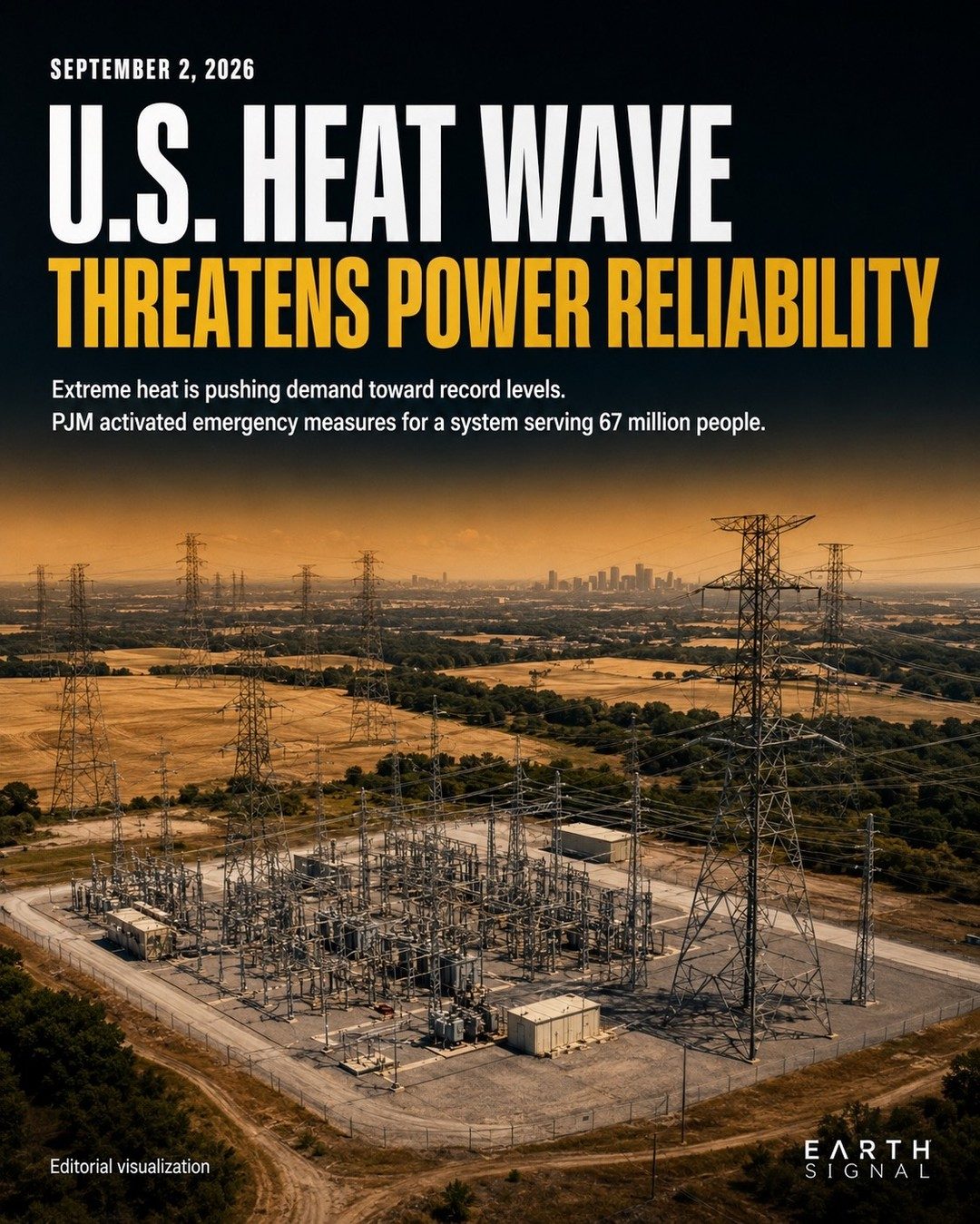
Extreme heat not only affects human health but also places a significant strain on energy infrastructure. As temperatures rise, so does the demand for air conditioning, leading to record levels of electricity consumption. This increased demand can overwhelm power grids, leading to blackouts and other disruptions. Utilities are increasingly investing in infrastructure upgrades and renewable energy sources to meet this growing demand.
Strain on Air-Conditioning Systems
Air-conditioning systems are pushed to their limits during heat domes, leading to increased maintenance and repair costs. Many systems are not designed to run continuously for extended periods, and their efficiency can drop significantly under prolonged strain. This not only affects residential and commercial buildings but also critical infrastructure like hospitals and data centers, which rely heavily on cooling systems to function.
Practical Tips for Coping with Extreme Heat
Staying Hydrated
Hydration is crucial during periods of extreme heat. Drinking plenty of water and electrolyte-rich beverages can help the body regulate its temperature and prevent dehydration. Avoiding alcohol and caffeine, which can dehydrate the body, is also recommended.
Seeking Shade and Cooling Centers
Staying indoors in air-conditioned spaces or seeking out cooling centers can provide relief from the heat. Public spaces like libraries, malls, and community centers often offer respite during heat waves. If air conditioning is not available, using fans and keeping curtains closed during the hottest part of the day can help keep indoor temperatures lower.
Protecting Vulnerable Populations
Checking on elderly neighbors, young children, and those with chronic illnesses is essential. Ensuring they have access to cool spaces, hydration, and medical care can prevent heat-related illnesses and fatalities. Community outreach programs and volunteer efforts can play a crucial role in supporting vulnerable populations during heat waves.
Energy Conservation
Conserving energy during heat waves can help alleviate the strain on power grids. Simple measures like turning off unnecessary lights and electronics, using energy-efficient appliances, and setting thermostats to higher temperatures when possible can make a significant difference. Additionally, scheduling energy-intensive activities like laundry and dishwashing during cooler parts of the day can help manage energy consumption.
Important Takeaways
The occurrence of extreme heat domes in the United States highlights the urgent need for preparedness and resilience. Understanding the science behind heat domes, taking practical steps to mitigate their impact, and investing in infrastructure to support communities during heat waves are crucial. Public health officials, meteorologists, and energy providers must work together to ensure the safety and well-being of all citizens during these increasingly common and deadly weather events.
Conclusion
Extreme heat domes are a growing threat that demands attention and action. By understanding the science behind these phenomena, taking practical steps to protect public health, and investing in resilient infrastructure, communities can better prepare for and mitigate the impacts of extreme heat. As the frequency and intensity of heat waves continue to rise, it is essential to prioritize preparedness and resilience to safeguard the health and well-being of all citizens.
Watch the Reel
Questions readers ask
What is a heat dome and how does it affect weather conditions?
A heat dome is a weather phenomenon where a large area is trapped under a high-pressure system, which acts like a lid and prevents hot air from escaping. This results in extreme temperatures that persist throughout the day and night, making it difficult for the body to cool down and recover, which was the case for 2026's summer crisis.
Why are hot nights during a heat dome particularly dangerous?
Hot nights are especially dangerous during a heat dome because they prevent the body from cooling down and recovering from the day's heat. This lack of relief can lead to severe heat-related illnesses, such as heat exhaustion, dehydration, and heat stroke, which was a significant concern during 2026's summer heat wave.
How does a heat dome impact infrastructure and energy consumption?
Heat domes place significant strain on infrastructure, particularly on power grids. The extreme heat increases the demand for air conditioning, which can lead to power outages if the grid is overwhelmed. Additionally, high temperatures can cause infrastructures like roads and bridges to degrade more rapidly.
What are the primary health risks associated with a heat dome?
The primary health risks associated with a heat dome include heat exhaustion, dehydration, and heat stroke. These conditions can be life-threatening, especially for vulnerable populations such as the elderly, young children, and those with pre-existing health conditions.
What measures can be taken to mitigate the impacts of a heat dome?
To mitigate the impacts of a heat dome, individuals should stay hydrated, avoid outdoor activities during peak hours, and ensure proper ventilation in living spaces. Communities can implement cooling centers and provide support for vulnerable populations. Additionally, investing in infrastructure upgrades can help alleviate some of the strain on power grids and other critical systems.
Related deep dives
Similar reads based on topic and creator.



Recent articles
Fresh deep dives from the latest Reels we unpacked.




Comments
Be the first to comment.