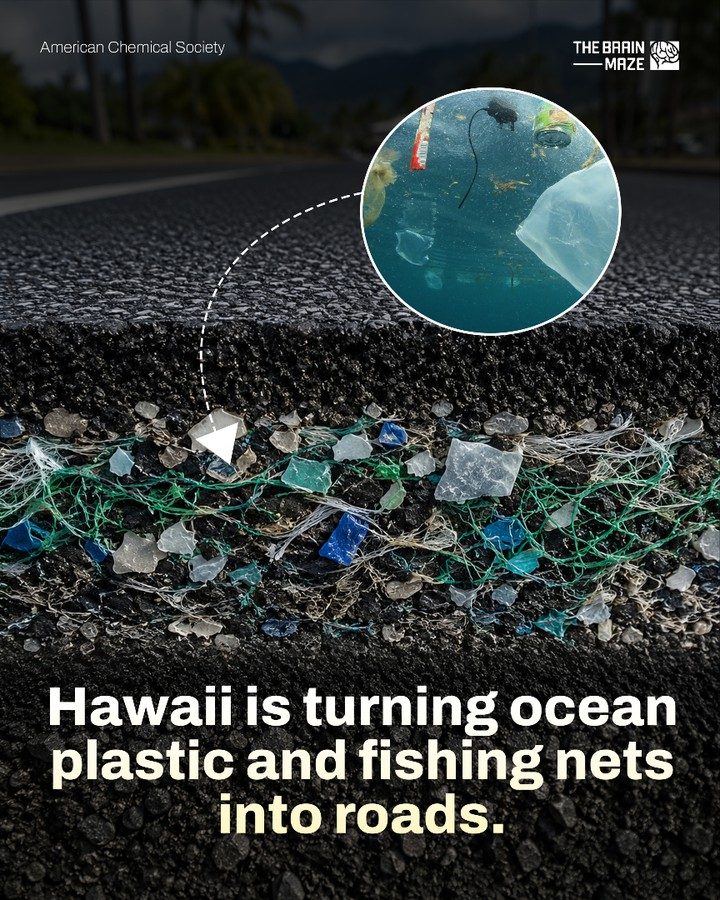
Ocean Plastic Recycling in Road Construction
Innovative solutions are emerging to tackle the global issue of ocean plastic pollution. Hawaii is at the forefront of this effort, pioneering a new approach to repurpose ocean plastic and discarded fishing nets into asphalt roads. This initiative is backed by promising early results from the American Chemical Society, which indicate that these recycled-plastic roads do not release more plastic particles than traditional pavement.
Why This Matters
The accumulation of plastic waste in the world's oceans is a pressing environmental concern. Marine debris not only harms marine life but also contributes to the degradation of coastal ecosystems. Traditional methods of waste management, such as landfills, are increasingly insufficient to handle the sheer volume of plastic waste. By repurposing this waste into road construction materials, Hawaii is exploring a sustainable and practical solution to this multifaceted problem.
The Process of Recycling Ocean Plastic into Roads
Collection and Preparation
The process begins with the collection of ocean plastic and discarded fishing nets. These materials are typically found in coastal regions and are often the result of discarded fishing gear and general marine litter. Once collected, the plastic is cleaned and sorted to remove any contaminants. This step is crucial as it ensures that only high-quality material is used in the road construction process.
Integration into Asphalt
After preparation, the plastic is shredded into smaller pieces, which are then mixed with traditional asphalt materials. The addition of plastic to asphalt modifies its properties, making it more durable and resilient. The precise ratio of plastic to asphalt is carefully calculated to maximize the benefits while maintaining the integrity of the road surface.
Construction and Testing
Once the mixture is ready, it is used in road construction like any other asphalt material. The roads are then tested to ensure they meet safety and durability standards. Early results from the American Chemical Society indicate that these recycled-plastic roads do not release more plastic particles than traditional pavement. This finding is significant as it addresses one of the primary concerns about using recycled plastic in road construction — the potential for microplastic pollution.
Benefits of Recycled-Plastic Roads
Reducing Marine Debris
One of the most immediate benefits of this approach is the reduction of marine debris. By repurposing ocean plastic and fishing nets, the amount of waste in the ocean decreases, benefiting marine life and ecosystems. This process directly addresses the issue at its source, providing a tangible solution to a growing problem.
Minimizing Landfill Waste
Recycled-plastic roads also contribute to reducing landfill waste. Plastic waste that would otherwise end up in landfills is instead converted into useful construction materials, freeing up space in landfills and reducing the need for new ones.
Enhancing Road Durability
The incorporation of plastic into asphalt can enhance the durability of roads. The modified asphalt is more resistant to cracks and potholes, which can lead to longer-lasting roads that require less maintenance. This not only saves on repair costs but also reduces the environmental impact associated with frequent road maintenance.
Promoting Sustainability
This initiative aligns with broader sustainability goals by promoting the use of recycled materials in construction. It encourages a circular economy where waste is minimized, and resources are reused effectively. This approach can serve as a model for other regions looking to implement sustainable waste management practices.
Practical Tips for Communities Interested in Recycled-Plastic Roads
Community Engagement
Engaging the community is crucial for the success of such initiatives. Local residents, businesses, and environmental groups can play a significant role in collecting and preparing plastic waste. Community involvement can also help in raising awareness about the importance of reducing plastic pollution.
Collaboration with Research Institutions
Collaboration with research institutions like the American Chemical Society is essential for ensuring the quality and safety of recycled-plastic roads. Ongoing research and testing can provide valuable insights into the best practices for integrating plastic into asphalt and addressing any potential challenges.
Policy and Regulatory Support
Government support through policies and regulations can facilitate the adoption of recycled-plastic roads. Incentives for using recycled materials in construction and regulations that encourage waste reduction and recycling can drive the implementation of such initiatives.
Important Takeaways
- Hawaii's initiative to turn ocean plastic and discarded fishing nets into asphalt roads showcases a practical and sustainable solution to marine debris and landfill waste.
- The process involves collecting, preparing, and integrating plastic into asphalt, ensuring durability and safety.
- Recycled-plastic roads offer multiple benefits, including reduced marine debris, minimized landfill waste, enhanced road durability, and a step towards a more sustainable future.
- Community engagement, collaboration with research institutions, and supportive policies are key to the success of such initiatives.
Conclusion
The innovative approach of repurposing ocean plastic and discarded fishing nets into asphalt roads in Hawaii offers a promising solution to the environmental challenges posed by plastic pollution. By reducing marine debris, minimizing landfill waste, and enhancing road durability, this initiative sets a valuable precedent for sustainable waste management. As more communities and governments recognize the benefits of recycled-plastic roads, we can expect to see a broader adoption of this approach, contributing to a cleaner, more sustainable future.
Watch the Reel
Questions readers ask
How does Hawaii's initiative address ocean plastic pollution?
Hawaii's initiative directly addresses ocean plastic pollution by collecting discarded plastic and fishing nets from the marine environment and converting them into durable road materials. This process reduces the amount of plastic waste in the oceans and helps mitigate the harm caused to marine life and coastal ecosystems.
What are the benefits of using recycled plastic in road construction?
Recycled plastic roads offer several benefits, including durability and eco-friendliness. Early results from the American Chemical Society suggest that these roads do not release more plastic particles than traditional pavement, making them a sustainable alternative for road construction.
How does this initiative compare to traditional waste management methods?
Hawaii’s initiative provides a more sustainable alternative to traditional waste management methods, such as landfills, which are becoming increasingly insufficient. By repurposing marine waste into road materials, Hawaii is offering a practical and effective solution to the growing problem of ocean plastic pollution.
What role do fishing nets play in Hawaii's road innovation?
Fishing nets, which are a significant contributor to ocean debris, are collected and recycled into road materials. This not only helps to reduce the amount of marine waste but also provides a new, durable material for road construction, enhancing the sustainability of the process.
What are the expected outcomes of using plastic to road material technology?
The use of plastic-to-road material technology is expected to reduce the amount of plastic waste in the oceans, decrease marine pollution, and contribute to the development of eco-friendly roads. This innovation is also expected to inspire similar initiatives in other regions, promoting a more sustainable approach to waste management and road construction.
How does the American Chemical Society's study support this initiative?
The American Chemical Society's study provides scientific backing for Hawaii's initiative by demonstrating that recycled-plastic roads do not release more plastic particles into the environment than traditional pavement. This supports the claim that the initiative is a sustainable and environmentally friendly solution to marine waste.
What are the implications of this initiative for other regions facing similar challenges?
Hawaii's success in turning ocean plastic and fishing nets into road materials can serve as a model for other regions grappling with ocean pollution. By showcasing a practical and sustainable solution, this innovation encourages the adoption of similar initiatives, which could significantly reduce global marine waste and promote new approaches to road construction.
Related deep dives
Similar reads based on topic and creator.


Recent articles
Fresh deep dives from the latest Reels we unpacked.




Comments
Be the first to comment.