The Deadliest Landslides in Human History
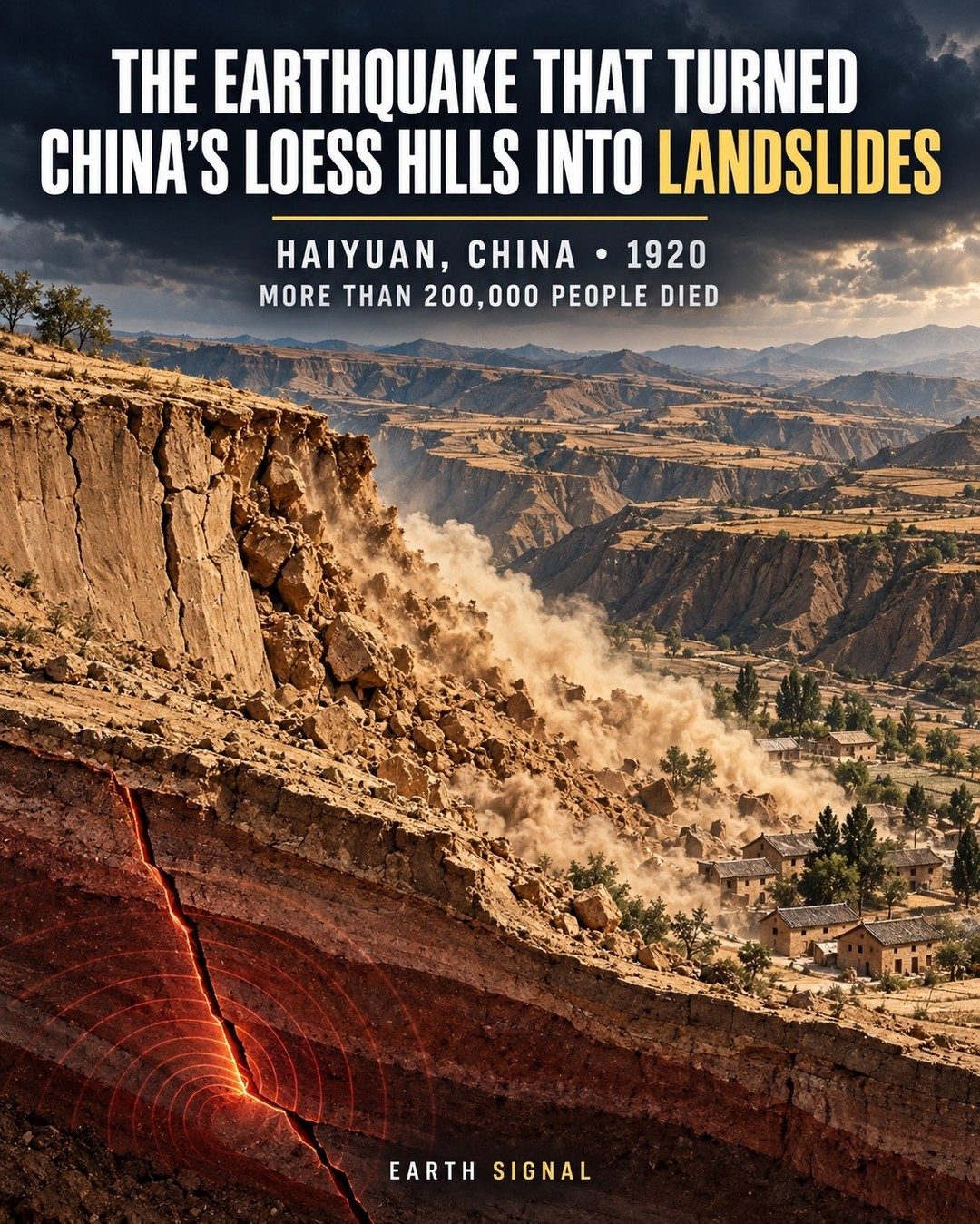
The Loess Hills of China have a tragic history, that serve as a stark reminder of nature’s unforgiving power. This region, part of the Haiyuan County in Ningxia, China, witnessed one of the most devastating earthquakes in human history. The 1920 Haiyuan earthquake, which measured approximately 8.5 on the Richter scale, was one of the deadliest earthquakes ever recorded. The region was devastated by landslides. In the immediate aftermath of the earthquake, approximately 200,000 people perished in disaster. The fatality of landslides is often understated. While earthquakes cause significant seismic activity, the landslides that accompany them can be more lethal. Landslides often occur when the ground is saturated with water, which makes it heavier and more prone to shifting. In the case of Haiyuan, the massive release of energy from the earthquake caused the ground to give way, leading to widespread landslides across the Loess Hills. The Loess Hills region, China, is particularly vulnerable to landslides. The region is characterized by its loose, unconsolidated soil, which is easily disturbed by seismic activity. When an earthquake of this magnitude occurs, the soil can become unstable, leading to massive landslides. In the wake of the 1920 earthquake, the Loess Hills were turned into a series of landslides.
Lasting Impact of the Landslides
The landslides triggered by the 1920 earthquake in Haiyuan left a lasting impact on the region. The catastrophic event that unfolded, pulverized buildings and left the countryside in chaos. The loss of life was staggering, with over 200,000 lives claimed by the disaster. The scale of the devastation highlighted the vulnerability of populations living in earthquake-prone areas with loose, unconsolidated soil. The earthquake and the subsequent landslides in Haiyuan sent a devastating cloud of dust into the atmosphere. The dust settled and buried fully villages. The visual impact of the event was staggering, with a landscape of hills and valleys transformed into a desolate wasteland. The dust also caused significant respiratory issues for survivors, further exacerbating the tragedy.
Analyzing the Devastation
The 1920 Haiyuan earthquake and the resulting landslides in the Loess Hills of China are a grim reminder. The earthquake, the landslides, and the associated dust were a volatile combination that resulted in a tragedy. Despite advances in our understanding of seismic activity, the devastation caused by earthquakes and landslides remains a significant challenge. Landslides are a common phenomenon. They are often triggered by seismic activity, heavy rainfall, or human activity such as deforestation or construction. They are the cause of significant economic and human loss. The response to landslides often involves the evacuation of residents from at-risk areas. This is essential for saving lives. Reconstruction needs to happen to rebuild infrastructure and homes, and sustain the community in the long term.
Watch the Reel
Related deep dives
Similar reads based on topic and creator.




Recent articles
Fresh deep dives from the latest Reels we unpacked.




Comments
Be the first to comment.