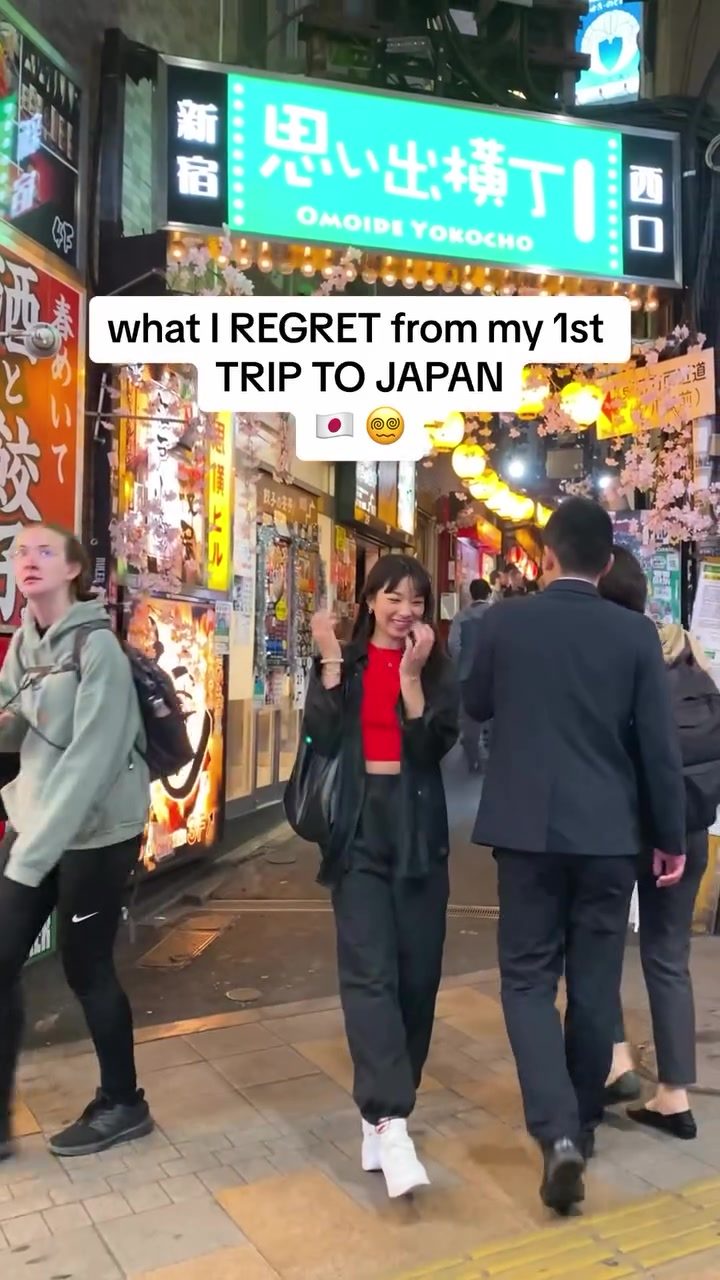
Japan Travel Tips
Introduction
Planning a trip to Japan? It's an incredible destination with a rich culture, vibrant cities, and stunning landscapes. To make the most of your journey, it's essential to be well-prepared. This guide, inspired by Grace Cheng's Ultimate Guide to Japan, will provide you with a comprehensive overview, from city guides to money-saving tips.
Context: Why This Matters
Japan offers a unique blend of ancient traditions and modern technology. Whether you're visiting for the first time or returning for more, understanding the key aspects of travel planning can significantly enhance your experience. From navigating major cities to exploring hidden gems, this guide will help you make the most of your time in Japan.
Main Discussion
Comprehensive City Guides
Japan is home to several iconic cities, each with its unique charm. Grace Cheng's guide covers the major cities, including Tokyo, Kyoto, and Osaka, providing detailed itineraries and local insights.
- Tokyo: The bustling capital is a must-visit, offering a mix of traditional and modern experiences. From the busy streets of Shibuya to the serene temples of Asakusa, Tokyo has something for everyone. Don't miss iconic landmarks like the Tokyo Tower and the historic Omoide Yokocho.
- Kyoto: Known for its ancient temples and gardens, Kyoto is a cultural treasure. Explore the famous Fushimi Inari Shrine with its thousands of torii gates or stroll through the serene Arashiyama Bamboo Grove. For a taste of tradition, visit the historic Gion district, where geishas still walk the streets.
- Osaka: Famous for its lively atmosphere and delicious food, Osaka is a food lover's paradise. Visit Osaka Castle and explore the vibrant Dotonbori area for street food and entertainment. The city is also home to the world-famous Universal Studios Japan.
Itinerary Suggestions
Grace Cheng offers multiple itineraries to cater to different travel durations, ensuring that you experience the best of Japan. Here are a few recommendations:
- 7-Day Itinerary: This compact itinerary covers the major cities and some hidden gems. It includes visits to the major cities and additional highlights like Himeji, Kurashiki, and Hakone.
- 10-Day Itinerary: This mid-length itinerary allows for a more relaxed pace, with additional time to explore. Highlights include Kamakura and Enoshima, offering a mix of cultural and natural attractions.
- 14-Day Itinerary: Perfect for those who want to explore Japan in depth, this itinerary includes all the above plus more. It offers a comprehensive experience, from bustling cities to tranquil rural areas.
Seasonal Highlights
Japan's natural beauty is best experienced during its seasonal highlights. Whether you're a fan of cherry blossoms or fall foliage, Grace Cheng's guide offers insights into the best times to visit:
- Cherry Blossom Season: Typically in late March to early April, this season is famous for its stunning cherry blossoms. Visit parks like Ueno Park in Tokyo or the Philosopher's Path in Kyoto for a picturesque experience.
- Fall Foliage: From mid-November to early December, Japan's landscapes are transformed into a sea of red and gold. Explore the ancient shrines and temples in Kyoto or the breathtaking landscapes of Nikko for a memorable experience.
Local Insights
Grace Cheng's personal tips are invaluable for an authentic travel experience. Here are some key points to keep in mind:
- Don't Only Stay in Tokyo: While Tokyo is a must-visit, Japan has much more to offer. Exploring other cities like Kyoto and Osaka will give you a broader perspective on Japanese culture and history.
- Money-Saving Tips: Exchanging your money at the airport can be convenient, but it often comes with unfavorable rates. Consider withdrawing Japanese Yen from 7-Eleven ATMs, which offer a better exchange rate and are open 24/7.
Practical Tips
Budgeting and Money Management
Managing your finances is crucial for a stress-free trip. Here are some practical tips:
- Use a Travel-Centric Credit Card: Cards with no foreign transaction fees and good reward programs can save you money and offer added benefits.
- Cash is King: While credit cards are widely accepted in major cities, cash is still king in rural areas and at small establishments. Always have some Yen on hand.
- Public Transportation: Japan has an efficient public transportation system. Purchase a Japan Rail (JR) Pass if you plan to travel extensively by train. For shorter trips, consider day passes or prepaid cards.
Accommodation
Choosing the right accommodation can enhance your travel experience. Here are some options:
- Hotels: From luxury to budget, there are plenty of hotel options to suit your needs. Consider staying in traditional ryokans for a more authentic experience.
- Hostels and Guesthouses: These are great for budget travelers, offering affordable accommodation and a chance to meet fellow travelers.
- Capsule Hotels: A unique Japanese experience, capsule hotels offer compact, efficient living spaces at a reasonable price.
Cultural Etiquette
Understanding and respecting local customs can significantly enhance your travel experience. Here are some key points:
- Bow When Greeting: Bowing is a traditional Japanese greeting. While handshakes are common in business settings, a slight bow is appreciated in casual interactions.
- Remove Shoes: Remove your shoes before entering homes, traditional inns (ryokan), and some restaurants. Slippers are usually provided.
- Punctuality: Japan values punctuality. Arrive on time for meetings, tours, and social engagements.
Packing Essentials
Packing for Japan requires some careful thought. Here are some essentials:
- Comfortable Walking Shoes: You'll be doing a lot of walking, so comfortable shoes are a must.
- Lightweight and Versatile Clothing: Japan's weather can be unpredictable, so pack layers and versatile clothing.
- Travel Adapters: Japan uses Type A/B plugs, so bring the right adapters for your devices.
- Portable Wi-Fi Device: While many public places offer free Wi-Fi, a portable device can be useful for staying connected on the go.
Important Takeaways
Traveling to Japan is an enriching experience, offering a blend of ancient traditions and modern innovations. By following the tips and advice outlined, you can ensure a memorable and hassle-free journey.
- Plan Your Itinerary Wisely: Whether you have a week or a month, plan your itinerary to cover the major cities and hidden gems.
- Be Mindful of Seasonal Highlights: Time your visit to coincide with cherry blossom season or fall foliage for a truly unforgettable experience.
- Respect Local Customs: Understanding and following local customs can enhance your travel experience and show respect for the culture.
- Manage Your Finances: Use a travel-centric credit card, carry some cash, and take advantage of public transportation to save money.
Conclusion
Japan is a captivating destination with a rich cultural heritage and vibrant modern life. By exploring major cities, following seasonal highlights, and embracing local customs, you can create a memorable travel experience. Whether you're a first-time visitor or a seasoned traveler, Japan has something special to offer. Use these tips and insights to make the most of your journey and create lasting memories.
Watch the Reel
Questions readers ask
When is the best time to visit Japan for first-time travelers?
The best time to visit Japan is typically during spring (March to May) or fall (September to November) for first-time travelers. These seasons offer pleasant weather and the opportunity to witness cherry blossoms in spring or vibrant fall foliage. Summer (June to August) can be hot and humid, while winter (December to February) is cold but offers skiing opportunities and fewer tourists. However, spring and fall are ideal for exploring major cities like Tokyo, Kyoto, and Osaka.
How many days should I spend in each major city in Japan, and what are the must-see attractions in Tokyo, Kyoto, and Osaka?
Spend about 4-5 days in Tokyo, 3-4 days in Kyoto, and 2-3 days in Osaka. In Tokyo, must-see attractions include the bustling Shibuya Crossing, historic Asakusa district, and the iconic Tokyo Tower. In Kyoto, explore the serene Fushimi Inari Shrine, stunning Kinkaku-ji (Golden Pavilion), and the traditional Gion district. In Osaka, visit the iconic Osaka Castle, the vibrant Dotonbori area, and Universal Studios Japan.
What are some essential tips for navigating Japan's public transportation system?
Japan's public transportation system is efficient and extensive. Purchase a prepaid IC card like Suica or Pasmo for easy payments. Download useful apps like Hyperdia or Google Maps for route planning. Consider getting a Japan Rail (JR) Pass if you plan to visit multiple cities, as it offers unlimited travel on JR trains, buses, and ferries for a set period. Familiarize yourself with the signs and announcements, as they are usually in both Japanese and English.
How can I experience traditional Japanese culture during my trip?
To experience traditional Japanese culture, participate in a tea ceremony, try on a kimono, or visit a traditional ryokan (inn). Explore historic districts like Gion in Kyoto for geisha performances or Asakusa in Tokyo for traditional crafts. Consider attending a sumo tournament or visiting a local onsen (hot spring) for a relaxing cultural experience. Engaging with locals and trying traditional Japanese cuisine, such as sushi, ramen, and okonomiyaki, will also enhance your cultural immersion.
What are some money-saving tips for first-time travelers in Japan?
To save money in Japan, consider traveling during the off-peak season, using public transportation with a prepaid IC card, and purchasing a Japan Rail (JR) Pass. Eat at local izakayas or convenience stores for affordable meals, and look for free activities like exploring parks or visiting temples and shrines. Stay in budget accommodations like hostels or capsule hotels, and take advantage of discount days at attractions. Additionally, use cash as it is still widely preferred in Japan.
What should I know about etiquette and cultural norms in Japan?
Familiarize yourself with basic etiquette, such as removing shoes when entering traditional accommodations or homes, using chopsticks properly, and bowing as a greeting. Be punctual, respect quiet environments on public transportation, and follow rules in public spaces. Tipping is not customary in Japan and may even be considered rude, so avoid it. Understanding and respecting these norms will enhance your interactions with locals and ensure a more enjoyable trip.
What is the most efficient way to travel between Tokyo, Kyoto, and Osaka?
The most efficient way to travel between Tokyo, Kyoto, and Osaka is by using the Japan Rail (JR) Shinkansen (bullet train). The journey from Tokyo to Kyoto takes approximately 2.5 hours, and from Tokyo to Osaka, it takes around 2.5 to 3 hours. If you have a JR Pass, the train rides are included, making it a cost-effective option. Alternatively, you can take overnight buses or domestic flights, but the Shinkansen is often the most convenient and scenic choice.
Related deep dives
Similar reads based on topic and creator.




Recent articles
Fresh deep dives from the latest Reels we unpacked.




Comments
Be the first to comment.