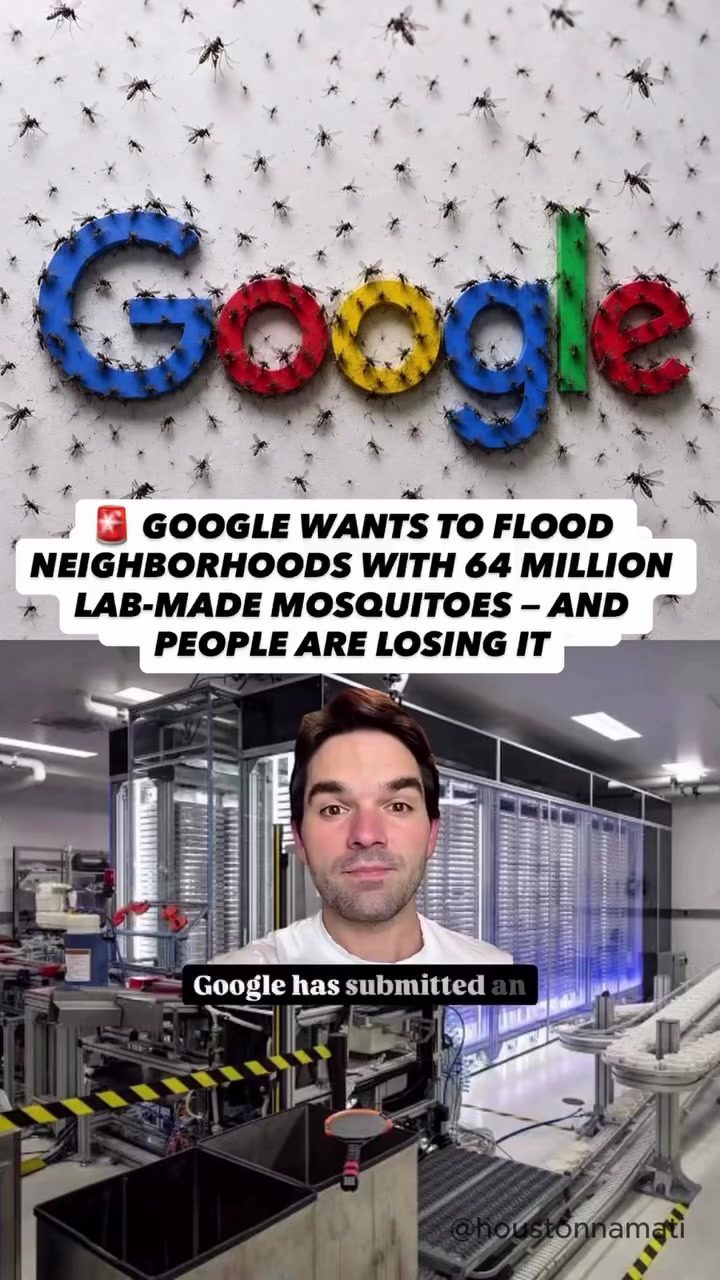
Google's Plan to Release 64 Million Lab-Made Mosquitoes
Google has applied for an experimental permit to release 64 million lab-made mosquitoes in Florida and California over a two-year period. This ambitious project, part of a new product called D-Bug, aims to control mosquito populations using a combination of biotechnology and advanced technology.
The mosquitoes are bred in a lab and infected with Wolbachia bacteria, which makes it difficult for the males to produce offspring when they mate with wild females. This method is designed to gradually suppress wild mosquito populations. But how does this all work, and what are the implications?
Why This Matters
Mosquitoes are more than just a nuisance; they are responsible for transmitting diseases like dengue, Zika, and malaria. The World Health Organization estimates that mosquitoes cause millions of deaths annually, making effective mosquito control a global health priority.
Google's D-Bug project is an innovative approach to mosquito control. By using technology to enhance biological methods, Google aims to create a more efficient and scalable solution. However, the project has sparked intense public debate, with critics raising concerns about the long-term effects of such an intervention.
The D-Bug System
Breeding and Infection
The process begins in the lab, where mosquitoes are infected with Wolbachia. This bacterium is naturally found in many insects and has been shown to reduce the ability of mosquitoes to transmit viruses. By infecting male mosquitoes with Wolbachia, the goal is to create a population of males that are less likely to produce viable offspring when they mate with wild females.
AI Sorting
One of the key components of the D-Bug system is the use of AI to sort male from female mosquitoes. This is crucial because only male mosquitoes are released into the wild; female mosquitoes are culled. The AI sorting machines ensure that the released mosquitoes are all males, minimizing the risk of increased mosquito bites.
GPS-Guided Release
The D-Bug vans use GPS and local population data to release the mosquitoes in areas where they are most likely to mate with uninfected females. This targeted approach is designed to maximize the effectiveness of the releases, ensuring that the infected males are in the right place at the right time.
Surveillance and Monitoring
In true Google fashion, the project includes a significant surveillance component. Smart traps are deployed to monitor the ratio of females to lab-released males in the area. These traps collect data that is used to refine the release strategy and track the progress of the population suppression. Additionally, data systems track where the lab mosquitoes spread, providing valuable insights into the project's effectiveness.
Public Concerns and Skepticism
The D-Bug project has sparked a range of reactions from the public. While some see it as a innovative solution to a persistent problem, others are deeply skeptical. Some of the common concerns include:
Biological Intervention
The use of Wolbachia and other biological methods to control mosquito populations is not new, but the scale and scope of Google's project are unprecedented. Critics worry about the potential for unintended consequences, such as the emergence of new mosquito strains or the disruption of local ecosystems.
Surveillance
The integration of surveillance technology into the project has raised concerns about privacy and the potential for misuse. Critics question whether the data collected by the smart traps and other monitoring systems could be used for purposes beyond mosquito control.
Long-Term Effects
There are also questions about the long-term effects of releasing millions of lab-made mosquitoes into the environment. While the project aims to reduce mosquito populations, some worry that it could have unintended consequences, such as the emergence of new mosquito-borne diseases or the disruption of local ecosystems.
Practical Tips
If you are concerned about the D-Bug project or mosquito control in general, there are several steps you can take to stay informed and involved:
Voice Your Opinion
The EPA is taking public opinion into consideration before deciding to approve or deny the permit. You can go to regulations.gov and search for the relevant docket to read more about the proposal and submit your comments. Your voice can make a difference in shaping the future of this project.
Stay Informed
Follow the latest developments and scientific research on mosquito control methods. Staying informed can help you make better decisions about your own mosquito control strategies and understand the broader implications of projects like D-Bug.
Local Actions
Engage with local community groups and advocates to voice your concerns or support for mosquito control initiatives. Community involvement can play a crucial role in shaping local policies and practices.
Important Takeaways
Google's D-Bug project represents a bold and innovative approach to mosquito control, using a combination of biotechnology and advanced technology. While the project has the potential to significantly reduce mosquito populations and the diseases they transmit, it also raises important questions and concerns.
Conclusion
The debate around Google's plan to release 64 million lab-made mosquitoes highlights the complex interplay between technology, biology, and public health. As we navigate this new landscape, it is crucial to stay informed, voice our opinions, and engage in open dialogue. Whether you support the project or have concerns about its potential impacts, your involvement can help shape the future of mosquito control and public health.
Watch the Reel
Questions readers ask
What is Google's D-Bug project and where will it take place?
Google's D-Bug project involves the planned release of 64 million lab-made mosquitoes in Florida and California over two years. This initiative aims to control wild mosquito populations using advanced biotechnology techniques. The project is currently seeking regulatory approval and has not yet been approved.
How do the lab-made mosquitoes help reduce wild mosquito populations?
The male lab-made mosquitoes are infected with Wolbachia bacteria, which makes them infertile when they mate with wild female mosquitoes. This reduces the number of offspring produced, gradually decreasing the wild mosquito population over time.
What role does AI play in this mosquito control project?
AI is used to sort out female mosquitoes from the male ones. This is crucial because only male mosquitoes are needed for the project, as they are the ones that will mate with wild females and reduce the population. Female mosquitoes could otherwise bite and potentially spread diseases.
What diseases are mosquitoes responsible for transmitting?
Mosquitoes are known to transmit a variety of diseases, including dengue, Zika, and malaria. These diseases can have significant impacts on public health, making effective mosquito control a priority.
Why are only male mosquitoes released as part of this project?
Only male mosquitoes are released because they do not bite or transmit diseases. The goal is to use these males to mate with wild females, which reduces the number of offspring and helps control the mosquito population without posing a health risk to humans.
What is the expected timeline for this mosquito release project?
If approved, the project will involve the release of 64 million lab-made mosquitoes in Florida and California over a period of two years. This phased approach allows for careful monitoring and adjustment as needed.
Related deep dives
Similar reads based on topic and creator.

Recent articles
Fresh deep dives from the latest Reels we unpacked.




Comments
Be the first to comment.