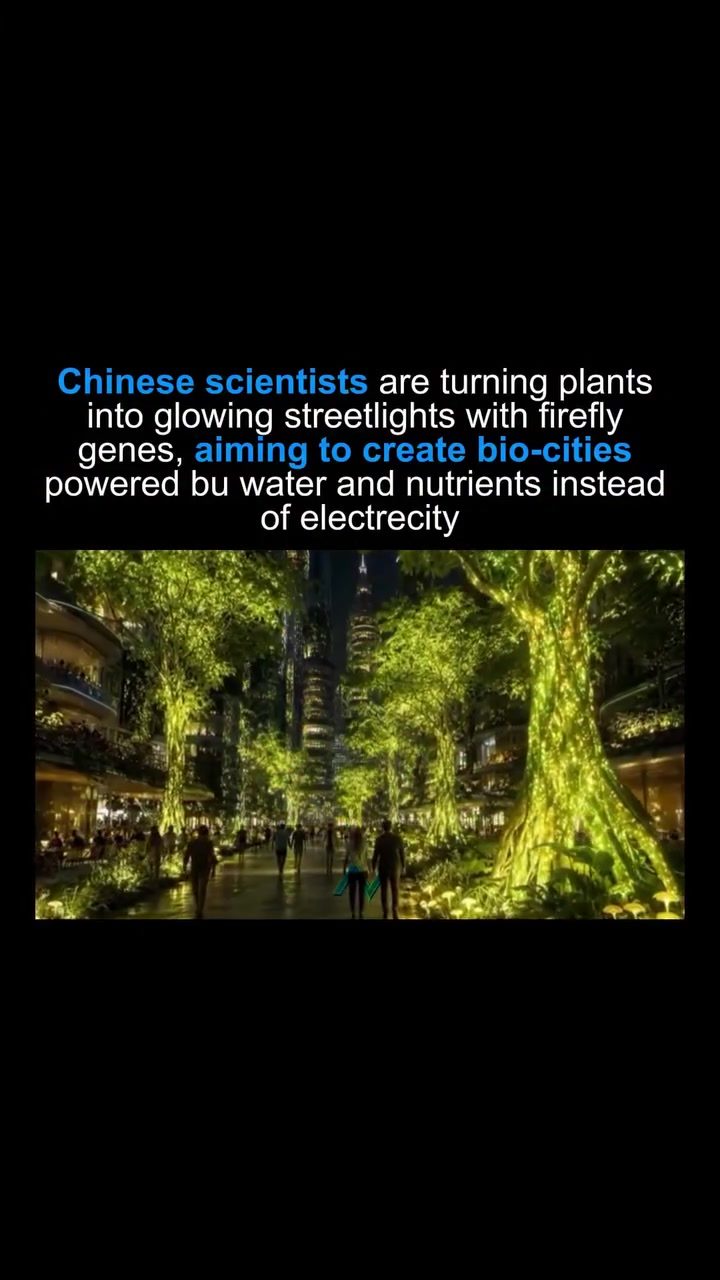
Glowing Plants: The Future of Sustainable Lighting
Glowing plants are not a creation of science fiction anymore. Scientists in China are currently researching the possibility of engineering plants to produce a natural glow. This innovation is achieved by incorporating bioluminescent genes, inspired by fireflies, into the plant's DNA. The goal is to develop plants that can emit light using their natural biological processes, eliminating the need for electricity.
Context / Why this matters
The implications of this technology extend far beyond just creating aesthetically pleasing glowing plants. The primary objective is to integrate biology into urban infrastructure, where living organisms can perform tasks that are currently handled by machines and electricity. This shift could significantly reduce energy consumption and contribute to more sustainable public spaces.
Main discussion
The Science Behind Glowing Plants
The process of engineering these glowing plants involves the insertion of bioluminescent genes, primarily derived from fireflies, into the plant's genetic makeup. These genes enable the plants to produce light naturally. The concept is based on the natural process of bioluminescence, where certain organisms emit light through chemical reactions within their bodies.
From Experiment to Bio-Cities
The initial focus of this research is on developing bio-cities. These are urban environments where plants are engineered to emit light, potentially replacing conventional streetlights. The idea is to create a network of self-sustaining living organisms that can illuminate public spaces without relying on electricity. Instead, these plants would harness energy from water and nutrients, making them a truly eco-friendly solution.
Current Progress and Future Prospects
Currently, the technology is still in its experimental phase. While significant strides have been made, practical applications are still some years away. Researchers are continuously working on optimizing the bioluminescent output and ensuring the sustainability of the engineered plants. The long-term goal is to integrate these glowing plants into urban landscapes, enhancing both aesthetics and functionality.
Potential Applications
Beyond streetlights, the potential applications of glowing plants are vast. Imagine parks illuminated by glowing trees, enhancing the natural beauty of the environment. Public spaces could be transformed into vibrant, energy-efficient areas, reducing the carbon footprint of cities. Additionally, the technology could be adapted for indoor use, creating living, breathing lighting solutions for homes and offices.
Challenges and Considerations
While the concept is exciting, there are several challenges to overcome. One of the primary concerns is ensuring the plants can produce a consistent and sufficient amount of light. Additionally, the long-term impact of genetically modifying plants for this purpose must be thoroughly studied. Ethical considerations and public acceptance will also play a crucial role in the widespread adoption of this technology.
Practical tips
For those interested in following the development of glowing plants, keeping an eye on the latest research in biotechnology and genetic engineering is essential. Engaging with scientific publications and staying updated on breakthroughs in the field can provide valuable insights into the progress being made. Additionally, supporting initiatives that promote sustainable technologies can help accelerate the development and implementation of such innovations.
Important takeaways
The research into glowing plants represents a significant leap forward in sustainable urban development. By harnessing the power of biology, we can create more efficient and eco-friendly solutions for public lighting. While there are still challenges to overcome, the potential benefits make this an exciting area of study. The future of urban infrastructure could very well be illuminated by living organisms, paving the way for a more sustainable and harmonious coexistence with nature.
Conclusion
Glowing plants are more than just a fascinating scientific curiosity. They represent a promising step toward a future where biology and technology converge to create sustainable solutions. From bio-cities powered by glowing trees to energy-efficient public spaces, the possibilities are endless. As research continues to advance, we may soon see these glowing plants lighting up parks and streets, transforming our urban landscapes in ways we never imagined.
Watch the Reel
Questions readers ask
How do scientists in China create glowing plants?
Scientists in China use gene engineering techniques. They're inspired by fireflies and insert bioluminescent genes into the plant’s DNA. This modification allows the plants to produce their own light naturally.
What are the potential benefits of integrating glowing plants into cities?
Integrating glowing plants into urban spaces can significantly reduce energy consumption. This is by providing natural streetlights. This can also contribute to more eco-friendly urban environments. Additionally, it can help to reduce the carbon footprint of cities.
Can bioluminescent plants replace conventional street lights entirely?
While bioluminescent plants hold great promise, replacing conventional street lights entirely may not be feasible or safe in the near future. Instead, it is more likely that they will complement existing lighting systems, especially in parks and pedestrian areas where lighting needs are less stringent.
How does the technology of glowing plants work?
The technology involves incorporating bioluminescent genes, which are typically found in organisms like fireflies, into the plants' DNA. These genes enable the plants to produce light through a natural biochemical reaction, which can be used for lighting purposes.
What are the potential challenges in developing bioluminescent plants for urban use?
The challenges include optimizing the brightness and duration of the glow to meet practical lighting needs, ensuring the plants can thrive in urban environments, and addressing potential safety and maintenance concerns. Additionally, extensive testing and approval processes are required before widespread implementation.
In which areas of the city can one expect to see glowing trees first?
Glowing plants are likely to be first integrated into parks, gardens, and pedestrian pathways. These areas have lower lighting demands and can benefit from the aesthetic appeal of bioluminescent plants. Over time, as the technology advances, it may be integrated into more critical urban infrastructure.
What role do fireflies play in the development of bioluminescent plants?
Fireflies are a key inspiration for this technology due to their natural ability to produce light through a biochemical reaction. The genes responsible for this bioluminescence are studied and integrated into plant DNA. This allows the plants to mimic the firefly's ability to glow naturally.
Are there any safety concerns with glowing trees?
While the technology is promising, there are potential safety concerns. These include ensuring that the genetic modifications do not have unintended environmental impacts. Additionally, the plants' ability to provide sufficient light for safety in all conditions must be thoroughly tested.
Related deep dives
Similar reads based on topic and creator.


Recent articles
Fresh deep dives from the latest Reels we unpacked.




Comments
Be the first to comment.