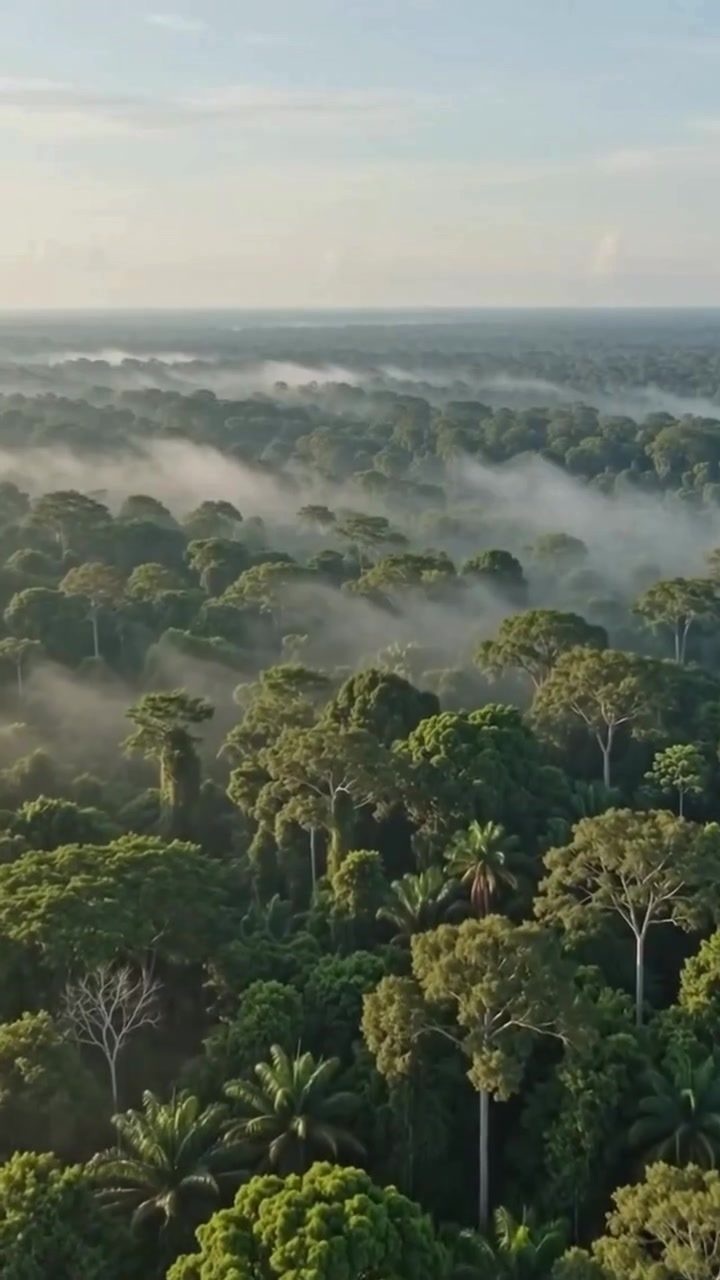
Deforestation and Reforestation
Every second, a forest the size of a soccer field disappears somewhere on Earth. That's roughly 31.75 square meters vanishing into thin air. In 2026, the world has already lost 6.88 million hectares of forest. These staggering numbers underscore the urgent need to understand and address the global deforestation crisis.
Why This Matters
Deforestation is not just an environmental issue; it's a global challenge with far-reaching consequences. Forests are crucial for maintaining biodiversity, regulating climate, and supporting livelihoods. They act as the lungs of the Earth, absorbing carbon dioxide and producing oxygen. The loss of forests contributes to climate change, which in turn exacerbates wildfires, further accelerating deforestation. Understanding the scale and impact of deforestation is the first step toward reversal.
Tropical Primary Rainforest Loss
Tropical primary rainforests are particularly significant because they store vast amounts of carbon and are home to an incredible diversity of plant and animal species. Despite the alarming rates of deforestation, there is a silver lining. In 2025, tropical primary rainforest loss fell by 36% compared to 2024's record high. This improvement is largely due to stronger enforcement measures in countries like Brazil, Indonesia, Malaysia, and Colombia.
Climate-Driven Wildfires
While the decrease in deforestation is encouraging, it's important to note that the loss remains 46% higher than a decade ago. Climate-driven wildfires, which caused 42% of all tree cover loss in 2025, are becoming a dangerous new threat. These fires, fueled by higher temperatures and drier conditions, can reverse recent progress in reforestation efforts.
Understanding the Numbers
Annual Deforestation Rates
The rate at which forests are disappearing is unprecedented. In 2026, the world has already lost 6.88 million hectares of forest. To put this into perspective, this is an area roughly the size of Panama. The visual of a soccer field disappearing every second helps to grasp the sheer scale of the problem. This continuous loss not only destroys habitats but also releases stored carbon, exacerbating climate change.
Reforestation Efforts
Despite the grim statistics, there are efforts to reclaim lost ground. Reforestation initiatives aim to restore forests and mitigate the impacts of deforestation. These efforts involve planting new trees, protecting existing forests, and promoting sustainable land use practices. Targets for reforestation often align with global commitments, such as the Bonn Challenge, which aims to restore 350 million hectares of degraded and deforested land by 2030.
Main Discussion
Causes of Deforestation
Deforestation is driven by a variety of factors, including:
- Agricultural Expansion: Clearing land for farming and livestock is one of the primary drivers of deforestation. As demand for food increases, more land is converted from forest to farmland.
- Logging: The timber industry plays a significant role in deforestation, particularly in tropical regions. Illegal logging is a pervasive problem, often driven by demand for cheap timber.
- Mining and Infrastructure Development: Extractive industries and infrastructure projects, such as roads and dams, often lead to widespread deforestation.
- Climate Change: Rising temperatures and changing weather patterns contribute to increased deforestation through wildfires and other natural disasters.
The Role of Climate Change
Climate change exacerbates deforestation in several ways. Extreme weather events, such as droughts and storms, make forests more susceptible to wildfires and other disturbances. Warmer temperatures and drier conditions create a feedback loop, where deforestation leads to further climate change, which in turn increases the likelihood of wildfires and other environmental threats.
The Importance of Protection
Protecting existing forests is just as important as reforesting lost areas. Conservation efforts focus on creating protected areas, enforcing logging regulations, and promoting sustainable forest management. These measures help to preserve biodiversity, maintain ecosystem services, and mitigate climate change.
Practical Tips
Support Sustainable Practices
Supporting sustainable practices is a crucial step. This can include buying products from companies that source materials responsibly and promoting sustainable agriculture and forestry practices. Consumers can make a significant impact by choosing eco-friendly products and supporting reforestation projects.
Plant Trees
Participating in tree-planting initiatives is an effective way to contribute to reforestation. Many organizations offer opportunities to plant trees in various regions around the world. These efforts help restore ecosystems and support local communities.
Advocate for Policy Change
Advocating for stronger environmental policies can drive systemic changes. Encouraging governments and corporations to adopt and enforce sustainable practices is essential for long-term success. Engaging in advocacy efforts can help raise awareness and promote meaningful policy changes.
Important Takeaways
The Scale of Deforestation
The scale of deforestation is vast and alarming. Understanding the true magnitude of the problem is the first step toward addressing it. The loss of 6.88 million hectares in 2026 alone underscores the urgency of the situation.
The Role of Climate Change
Climate change and deforestation are interconnected. Addressing one requires tackling the other. Wildfires, rising temperatures, and changing weather patterns all contribute to the cycle of deforestation and climate change.
The Need for Protection and Reforestation
Both protecting existing forests and planting new ones are essential. Conservation efforts and reforestation initiatives play critical roles in mitigating the impacts of deforestation.
Conclusion
The global deforestation crisis is a complex and urgent issue. Understanding the scale, causes, and impacts of deforestation is crucial for addressing the problem. By supporting sustainable practices, planting trees, and advocating for policy change, we can contribute to the protection and restoration of our forests. The journey toward a more sustainable future starts with acknowledging the magnitude of the problem and taking concrete steps to address it.
Watch the Reel
Questions readers ask
Why is the rate of deforestation so alarming?
The deforestation rate is alarming because it is happening at an accelerating pace. Every second, an area of forest the size of a soccer field, roughly 31.75 square meters, is lost. This rapid pace means that by 2026, the world could lose approximately 6.88 million hectares of forest, highlighting the urgent need for action.
Which types of forests are most affected by deforestation?
Tropical primary rainforests are the most affected by deforestation. These forests are rich in biodiversity and play a crucial role in regulating the global climate. The loss of these forests has significant implications for both local ecosystems and the global environment.
How does deforestation impact the climate?
Deforestation contributes to climate change by reducing the number of trees that absorb carbon dioxide, a major greenhouse gas. With fewer trees, more carbon dioxide remains in the atmosphere, trapping heat and exacerbating global warming. Additionally, deforestation can lead to increased wildfires, which further accelerate deforestation and carbon emissions.
What are the consequences of deforestation on biodiversity?
Deforestation leads to habitat loss, which is a primary cause of biodiversity loss. Many plant and animal species depend on forests for survival, and when these habitats are destroyed, species face extinction. This loss of biodiversity can disrupt ecosystems, affecting everything from local food chains to global climate patterns.
What was the extent of forest loss in 2025 and 2026?
The exact forest loss for 2025 is not specified, but in 2026, the forecasted loss of forest is 6.88 million hectares. This is equivalent to a vast area the size of many small countries. This amount of deforestation underscores the severity of the issue and the need for immediate intervention.
How can reforestation help address the deforestation crisis?
Reforestation can help mitigate the deforestation crisis by restoring lost forest areas. Planting new trees and allowing natural regeneration can help absorb carbon dioxide, support biodiversity, and stabilize local climates. Additionally, reforestation initiatives can create jobs and support local economies, making them a crucial part of the solution.
What are the primary drivers of global deforestation?
The primary drivers of global deforestation include agricultural expansion, logging, urban development, and mining. These activities often involve clearing large areas of forest for economic gain, leading to significant forest loss. Addressing these drivers requires a multi-faceted approach, including sustainable land use practices and strong enforcement of environmental regulations.
Related deep dives
Similar reads based on topic and creator.

Recent articles
Fresh deep dives from the latest Reels we unpacked.




Comments
Be the first to comment.