Flickering Vulnerability
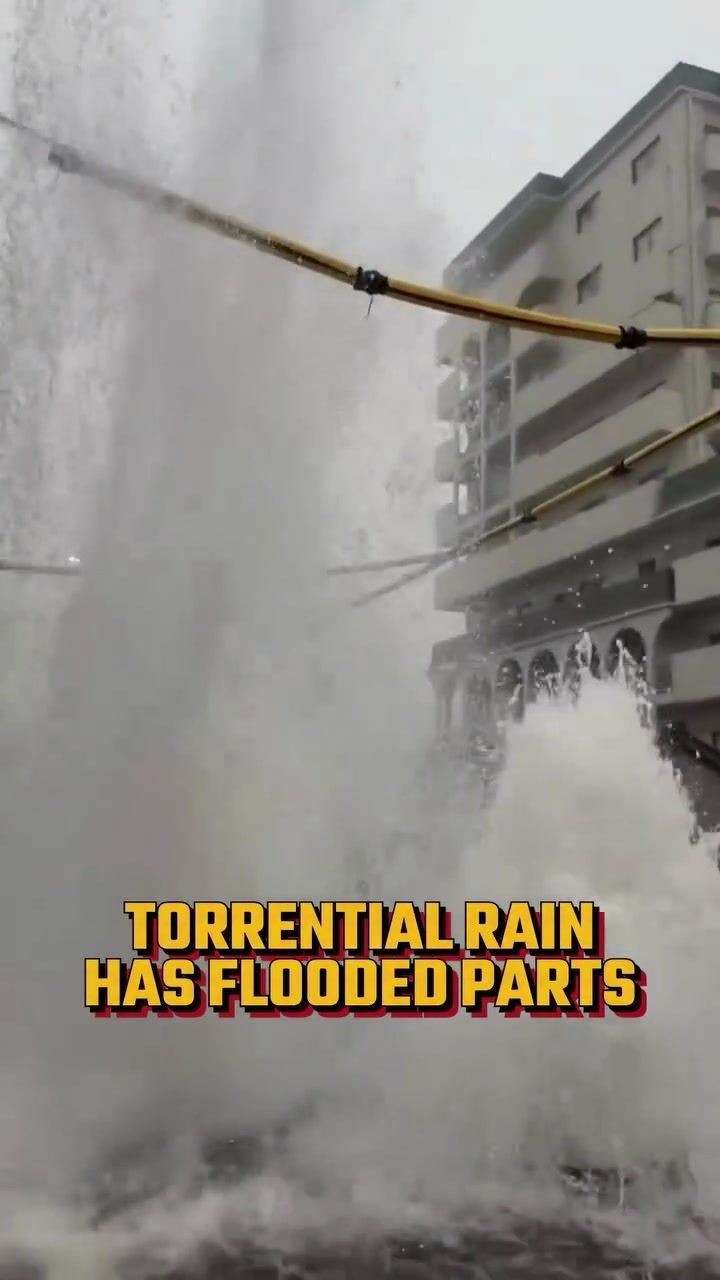
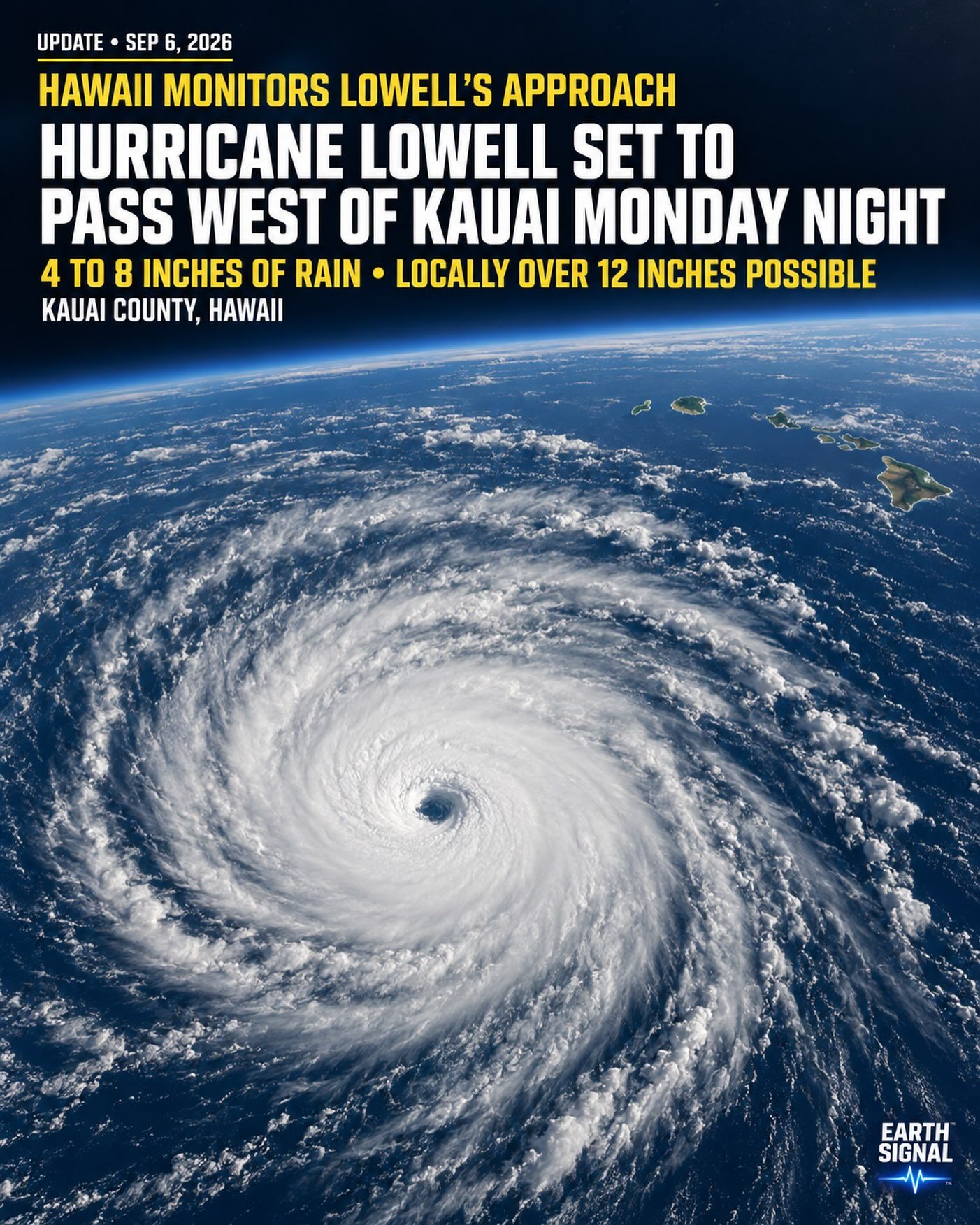
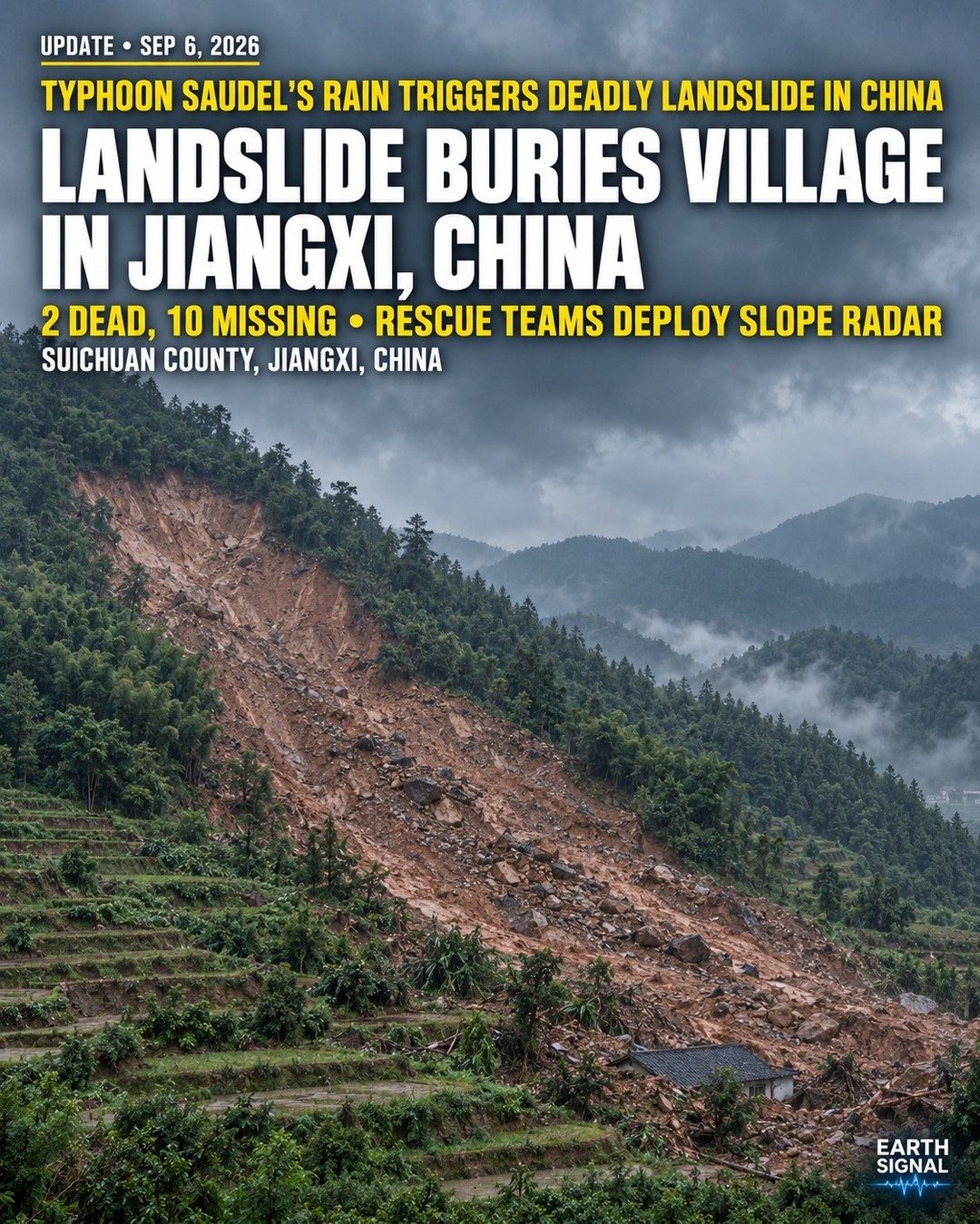
Climate events feel like a planetary health scare. The Earth is breathing hard. Torrential rain has hit Japan, triggering deadly landslides near Mount Fuji. Eight are missing at sea. The planet churns. Tyhoons churn up the Pacific. The ground shakes in Tibet. Indonesia's wildfires emit the highest fire-related emissions in the world this week. The planet is a syncopated rhythm of natural disasters, each a symptom of a broader illness. Typhoon Lowell is weakening, but the Pacific waters around the storm are still dangerous. While this might be good news for those in the storm’s eye, it’s a stark reminder that the impacts of these storms ripple outwards. Earthquakes also chime in — a 5.3 magnitude earthquake in Tibet has not resulted in any damage. It could have. It's a reminder. The natural Earth is volatile and ready to disrupt human life at any moment.
Extreme Acts of Nature
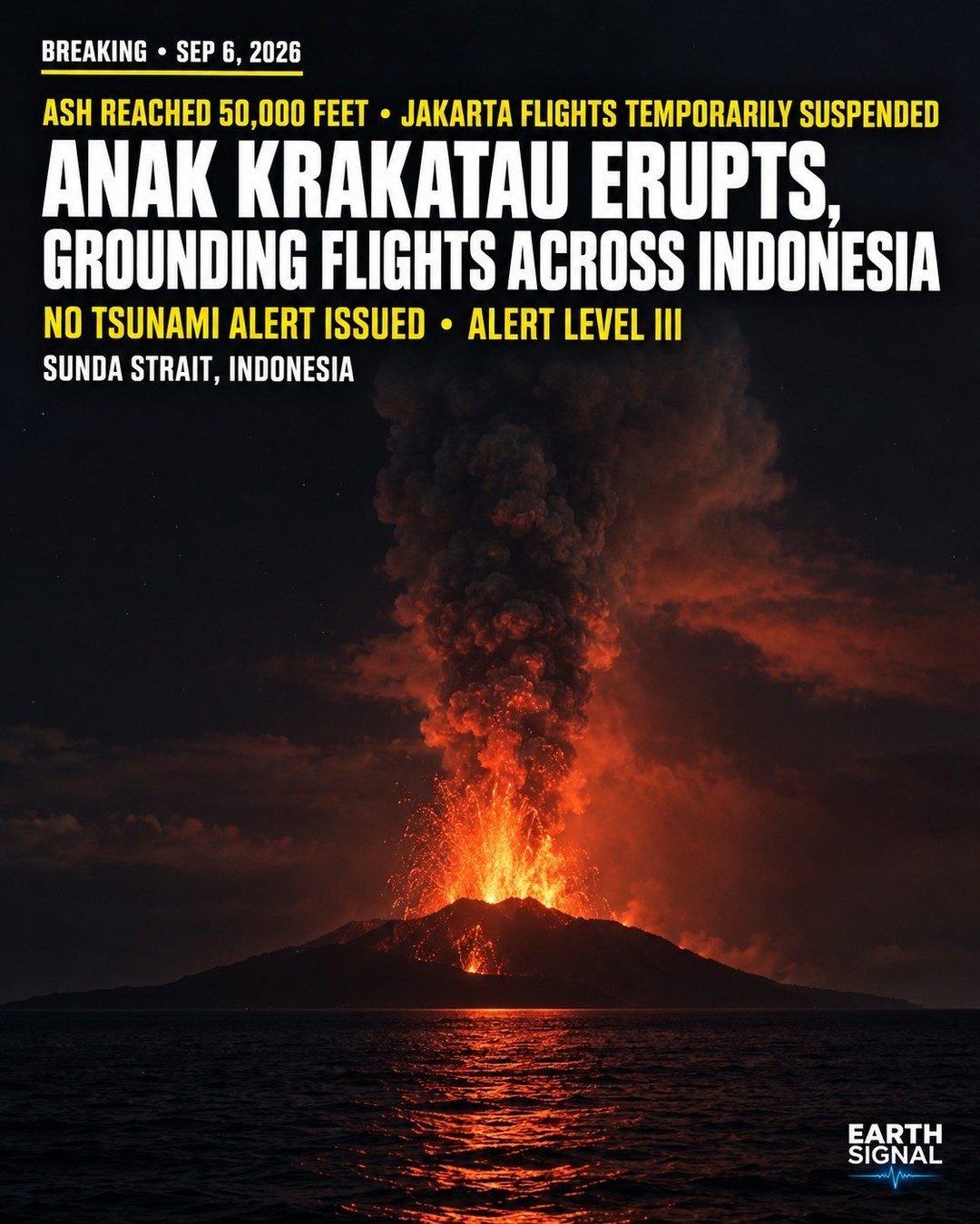
Each event is an extreme act of nature. A landslide in Japan near Mount Fuji. Volcanic eruptions in the Sunda Strait. Earthquakes. Soil erosion of the soil. Climate change is a malignancy threatening the natural world. There is a rhyme and reason to these disasters. Floods are becoming more intense. They are happening more often. Scientists have long warned that climate change would lead to more frequent and severe weather events. The data suggests the frequency of climate events is increasing. That the intensity of natural disasters is increasing. Extreme weather events are on the rise. Natural events can be seen to be linked. The rise in temperatures. An increase in atmospheric moisture. “One planet breathing hard,” the speech says. The intensity of natural disasters, including volcanic eruptions, earthquakes, hurricanes, and floods, feels like a connected reality. Experts have pointed out that the increase in average global temperatures could trigger more extreme climatic events and natural disasters. It’s a multifaceted relationship but a relationship, nonetheless. On the world stage, one planet that seems to be losing its breath under the weight of the climate change crisis. There is a feeling that the planet is fighting for its life. Climate change, human activities and natural disasters are interconnected. Natural disasters are intensifying. They are happening more often. The increasing emissions of greenhouse gases have a big impact. The world’s responsibility to turn the tide away from climate change is a call to action.
Anthroopocene Illness
The planet is in an illness phase. The volume of natural disasters has rocketed. The intensity of natural disasters has gone up. With the rising anthropogenic activities, the anthropocene era is on. The evidence of natural disasters and the increase in climate change are deeply related. The fires are burning. The riverbanks are overflowing. The atmosphere is thick. Natural disasters include floods. They also include droughts. Humans have the power to change the climate. The planet is sweating. The planet is gasping. The planet is choking. The greenhouse effect. The increasing temperatures. The melting ice caps. The cast off greenhouse gases. Natural disasters result. The scientists have highlighted the need for urgent action. It’s important to address the climate change issue. Climate change and natural disasters are linked. The need for action is pressing. The planet needs a cure — and fast.
Watch the Reel
Related deep dives
Similar reads based on topic and creator.

Recent articles
Fresh deep dives from the latest Reels we unpacked.
Comments
Be the first to comment.