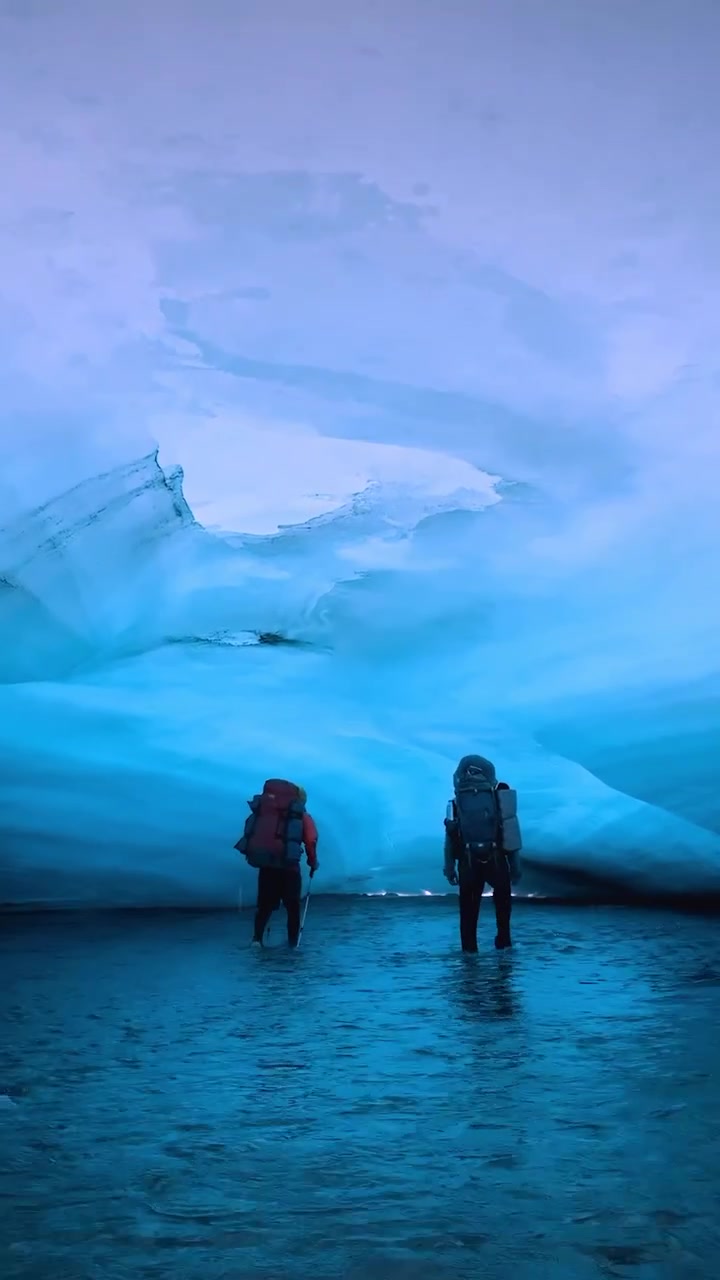
Glacier hiking is an extreme sport that takes you deep into raw, untamed landscapes. These landscapes have birthed meandering rivers, sculpted ice formations, water trickling from melting ice and cool blue hues. Glacier hiking is not a stroll in the park — it's a demanding adventure over ice. In a short video, the cool glow of the glacier is apparent.
Crossing a Glacier
Glacier hiking is a high-stakes adventure sport: traversing crevasses, navigating ice and water, and applying a unique set of skills that are part mountaineering, part hiking in the sense used by locals hiking in Iceland, Denmark and elsewhere. While a typical hike might involve walking along marked trails, glacier hiking is set apart by its need to be equipped with gear like crampons, ropes, and ice axes.
Why glacier hiking is 'hotter' than ever
Glacier hiking's appeal lies in its unique combination of natural beauty and risk. Glaciers are retreating globally, heightened by climate change according to the World Glacier Monitoring Service. Inching across a glacier offers a rare opportunity to experience the raw power of nature and the stark contrasts between solid ice and the water trickling from melting ice. The natural vibrancy of this activity combined with its ever-shortening window of popularity due to global warming places it at the center of the growth in extreme adventure sports. As glaciers change rapidly, being aided by ropes and climbing gear, adventurers have a unique opportunity to explore them up-close. Glacier hiking enables seeing firsthand the devastating consequences of climate change on Earth's landscapes.
Navigating the ice
Gear and safety
When it comes to glacier hiking, preparation is everything. Gear such as crampons (spiked shoes for traction on ice) and ice axes are standard. Crampons are kept on the hikers' feet at all times, helping hikers walk over the ice. Ice axes come in handy for navigating steep slopes, self-belaying, and as a safety measure in case a slip occurs. The glacier demands the highest level of vigilance and skill. Glaciers are dynamic and ever-changing landscapes, making safe navigation especially challenging.
Glacier types
There are two main types of glaciers: valley glaciers and cirque glaciers. Valley glaciers, as the name suggests, are confined within narrow valleys, whereas cirque glaciers are found in circular basins. Both types offer unique hiking experiences. Valley glaciers, with their more open spaces, might present fewer obstacles. Cirque glaciers, on the other hand, often provide the thrill of navigating steep walls, icy cliffs, and crevasses.
Benefit of a guide
Glacier hiking requires a high skill set, making it crucial to consider taking a guided tour, as seen in the video. While no experience is totally risk-free, a guide provides a layer of safety. This guide is crucial for navigating obstacles, and prioritizing safety so hikers can marvel at the beauty. In the video, the guide appears to be able to guide their hikers over the crevasses whilst keeping them safe. The trained guides know the glacier's terrain and can teach hikers the necessary techniques. Without a guide, glacier hiking can be extremely hazardous, especially for beginners.
Ways to try glacier hiking
- For Beginners: Embark on a glacier hike with a skilled and experienced guide. Guides are able to provide the correct gear and also offer them the skills to keep themselves safe. This is not safe without a guide.
- For Experienced Adventurers: Aim for an expert-level guided tour, where you will be able to hike on a glacier. This will likely require you to be in physical fitness to endure the trail and hike distances.
- For An Over-Nighter: Seek out multi-day expeditions, where you can camp on the glacier. This allows you to be in prime position to see the beautiful ice formations and melt into the horizon or some far-off point.
Risk and reward
Glaciers are inherently risky and constantly evolving, with some forms being more dynamic than others. Meltwater is common and can cause cracks in the glacier and lead to falls. There are also ice formations, such as seracs and ice tunnels, which can pose risks. With a guide, you can navigate around these risks and still enjoy the beauty and thrill of glacier hiking. The glacier's ever-changing nature makes each hike a unique experience and the high risk and thrill bring a great reward. Glaciers in particular give a rare opportunity to witness nature’s power and beauty, something that will become increasingly scarce as these environments change permanently.
Watch the Reel
Questions readers ask
What exactly is glacier hiking?
Glacier hiking is an extreme sport that involves traversing glaciers, which are large, slow-moving masses of ice. It's not your average hike; it requires navigating across ice formations, crevasses, and water, using specialized gear like crampons, ropes, and ice axes. The experience is about interacting with the glacier's dynamic landscape and wildlife. Unlike typical hiking, glacier hiking demands a higher level of skill and vigilance. It's more akin to a combination of mountaineering and hiking.
Why is glacier hiking becoming more popular despite the glaciers melting?
Glacier hiking is gaining popularity because it offers a unique blend of natural beauty and adventure, along with the thrill of exploring a rapidly changing landscape. As glaciers retreat due to climate change, there's a sense of urgency to experience them before they disappear. The stark contrast between the solid ice and the water trickling from melting ice, combined with the cool blue hues, makes for a visually stunning and memorable experience. Additionally, the sport's inherent risks add to its appeal for adventure seekers.
What gear do I need for glacier hiking?
For glacier hiking, you'll need specialized gear to ensure your safety and mobility. Crampons, which are spiked shoes, provide traction on ice and are worn at all times. Ice axes are essential for navigating steep slopes, self-belaying, and as a safety measure in case of a slip. Other necessary gear includes ropes for safety and climbing equipment. A guide is recommended for safe navigation, as they are knowledgeable about the terrain and can teach necessary techniques.
What are the different types of glaciers I might encounter?
There are two main types of glaciers you might encounter: valley glaciers and cirque glaciers. Valley glaciers are found in narrow valleys and offer more open spaces, which can make navigation easier. Cirque glaciers, on the other hand, are located in circular basins and often present the thrill of navigating steep walls, icy cliffs, and crevasses. Each type offers a unique hiking experience, with cirque glaciers generally providing more challenges and excitement.
Is it safe to go glacier hiking alone?
Glacier hiking alone is not recommended due to the inherent risks and the dynamic nature of the terrain. It's crucial to have a guide who knows the glacier's terrain and can teach you the necessary techniques. A guide provides a layer of safety and can help navigate obstacles. Without a guide, you might miss out on the full experience and put yourself at risk.
What can I expect to see during a glacier hike?
During a glacier hike, you can expect to see stunning natural beauty, including meandering rivers, sculpted ice formations, and cool blue hues. You'll also witness the raw power of nature as you navigate across ice and water. The experience is visually stunning and memorable. The stark contrast between the solid ice and the water trickling from melting ice, combined with the cool blue hues, makes for a visually stunning and memorable experience. Additionally, you might see the devastating consequences of climate change on Earth's landscapes firsthand.
Related deep dives
Similar reads based on topic and creator.


Recent articles
Fresh deep dives from the latest Reels we unpacked.

Comments
Be the first to comment.