A Tragic Aftermath
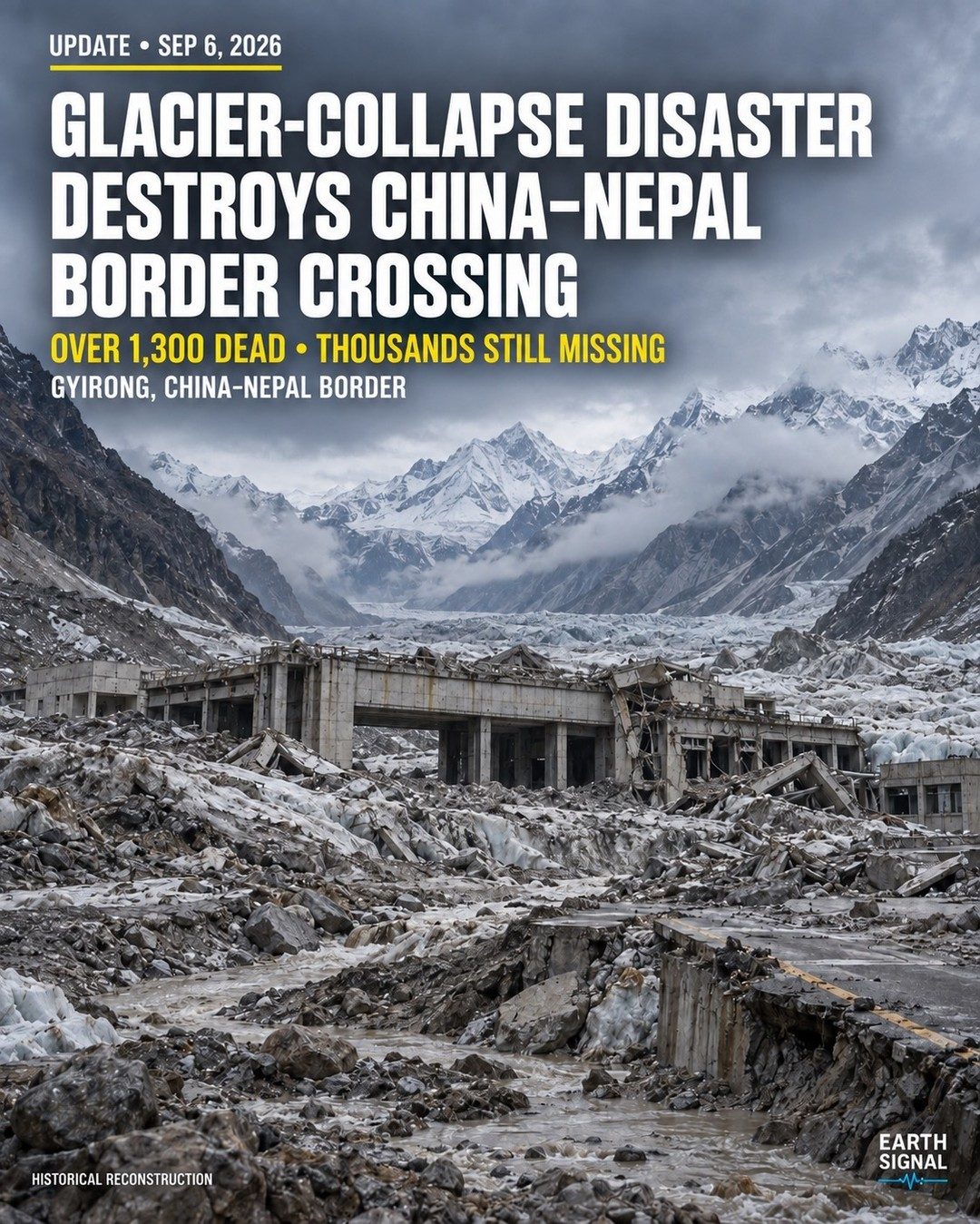
A glacier collapse in September 2026 left a catastrophic scene of destruction at the China-Nepal border. Gyirong, a border town nestled in the shadow of the Himalayas, witnessed an avalanche of debris and snow that swept away the border crossing. Only recently, the magnitude of the disaster has come to light. The aftermath is grim, with 1,300 confirmed deaths and thousands of people presumed missing. It is a grim reminder of the power of nature and the fragility of human settlements in remote, mountainous regions. The debris and snow along the China-Nepal border buried a critical crossing point. Given the remote location and treacherous terrain, rescue efforts face significant challenges. The complete destruction of crucial infrastructure compels us to understand the event's scale and its repercussions. The disaster also raises questions about preparedness and prevention measures in the region. The magnitude of the collapse and the devastating loss of life demand a robust and swift response.
The Scale of Destruction
A single event could reshape the lives of thousands. The official death toll—1,300—is a staggering figure, but it represents only a fraction of the total impact. Thousands more remain missing. The avalanche left behind a landscape marked by the immediacy of disaster recovery. Search and rescue efforts in the region are complicated by harsh weather conditions, lack of infrastructure, and tough topography. The disaster highlights the vulnerability of this China-Nepal border crossing and the need for better systems to deal with such catastrophes. Although mother nature is unpredictable, an avalanche of this magnitude calls for a reevaluation. Scientists have long warned about the potential dangers posed by melting glaciers. Climate change may exacerbate the frequency and severity of such events. Local governments need to collaborate more with international organizations to maintain critical infrastructure and coordinate disaster relief. Early warning systems and improved evacuation protocols could save lives in the long run.
Implications for the Region
Gyirong is home to only a small number of inhabitants. The disaster leaves the town struggling to rebuild entirely. The neighboring villages and towns are also impacted, though to a lesser extent. As rescue and recovery efforts continue, authorities are examining the broader implications of this tragedy. The avalanche has raised the question about the safety of other border towns and crossings in the region. The avalanche's long-term impact on the region's stability and security remains to be seen. This is the worst disaster in China-Nepal's land border in recent history. It has underscored the importance of cross-border collaboration in disaster management. Gyirong, already a sensitive border town, will face the dual challenges of recovery and transformation in the coming years. In addition, the destruction of the border crossing could impact trade, tourism, and border security. Regional stability will depend on how both countries and international agencies react to the disaster and collaborate for the future.
Watch the Reel
Related deep dives
Similar reads based on topic and creator.


Recent articles
Fresh deep dives from the latest Reels we unpacked.



Comments
Be the first to comment.