Germany: Christmas Markets and Winter Charm
Germany during the winter season is a wonderland of festive cheer and historical charm. From the illuminated streets of Dresden to the picturesque towns of Rothenburg ob der Tauber, the country transforms into a magical setting that captures the spirit of the holidays. Let's explore the enchanting winter memories in Germany, highlighting key locations and their unique features.
Why This Matters
Winter in Germany is not just about the cold weather; it's about experiencing the rich cultural tradition of Christmas markets, the beauty of historic architecture, and the cozy atmosphere of snowy landscapes. This season offers a unique blend of old-world charm and modern festivities, making it a must-visit for travelers seeking a heartwarming experience.
Christmas Markets in Germany
Dresden Christmas Market
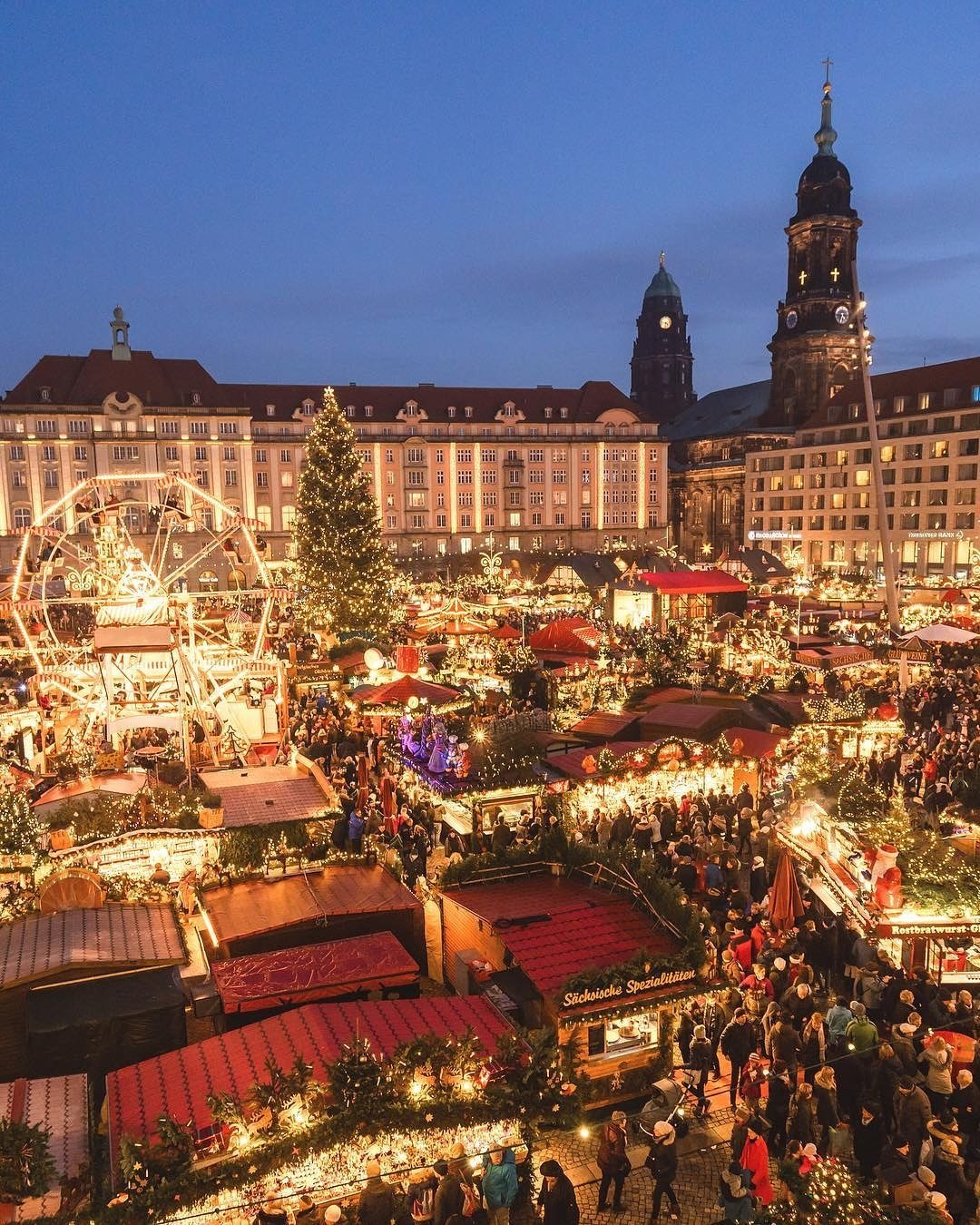
The Dresden Christmas Market, known as the Striezelmarkt, is one of the oldest and largest Christmas markets in Germany. Located in the heart of Dresden, this market is a vibrant display of traditional German festivities. The market features numerous stalls decorated with twinkling lights, selling everything from handmade ornaments to delicious local treats.
Key Attractions:
- Ferries Wheel and Christmas Tree: The market is adorned with a large Christmas tree and a Ferris wheel, creating a festive backdrop for visitors to enjoy.
- Traditional Food and Drinks: Stalls offer a variety of Saxon specialties, such as Restbratwurst-Grill, a local sausage dish, and Sächsische Spezialitäten.
- Cultural Performances: Throughout the market, there are often live performances and cultural events that add to the overall festive atmosphere.
Coburg Christmas Market
Coburg, a charming town in Bavaria, hosts a Christmas market that is equally enchanting. The market is set against the backdrop of the historic Coburg Castle, which adds a touch of grandeur to the festive celebrations.
Halle Christmas Market
Halle, located in Saxony-Anhalt, is known for its beautiful Christmas market. The market in Halle is characterized by its unique blend of traditional and modern elements, with stalls selling an array of handmade crafts, festive decorations, and local delicacies.
Rothenburg ob der Tauber
Rothenburg ob der Tauber is a medieval town that perfectly captures the essence of a traditional German Christmas. The town is known for its well-preserved half-timbered houses and cobblestone streets, which are beautifully illuminated during the holiday season. The Christmas market here offers a variety of seasonal treats and handmade gifts, making it a delightful experience for visitors.
Winter Landscapes
Snowy Townscapes
The winter season in Germany transforms the towns into picturesque landscapes. The traditional architecture, covered in snow, creates a postcard-perfect scene. Towns like Rothenburg ob der Tauber and Coburg are particularly charming with their half-timbered buildings and festive decorations.
Unique Features:
- Konfektori and Cafe Am Markt: These quaint cafes and bakeries offer warm beverages and traditional German pastries, providing a cozy respite from the cold.
- Christmas Market Stalls: The stalls add a festive touch to the townscape, with their twinkling lights and festive decorations.
Dresden Skyline
Dresden's skyline at dusk is a breathtaking sight, especially during the winter season. The Frauenkirche, a iconic landmark, stands prominently against the backdrop of a colorful sunset. The Christmas market below adds a festive touch to the scene, making it a perfect spot for a winter evening stroll.
Traditional German Architecture
Germany is renowned for its traditional architecture, and during the winter, these buildings take on an even more enchanting allure. Half-timbered buildings, adorned with snow and warm lights, are a common sight in many German towns. These structures, with their distinctive designs, create a cozy and inviting atmosphere, especially during the festive season.
Practical Tips
If you plan to visit Germany during the winter, here are some practical tips to enhance your experience:
- Dress Warmly: Winter in Germany can be quite cold, so make sure to pack warm clothing, including gloves, hats, and scarves.
- Try Local Specialties: Sampling local treats like Glühwein (mulled wine), Stollen (fruit cake), and Lebkuchen (gingerbread) is a must.
- Explore Markets: Spend time exploring the different Christmas markets in various towns to get a full experience of the German holiday traditions.
- Capture Memories: Bring a camera or smartphone to capture the beautiful winter landscapes and festive decorations.
Important Takeaways
Germany during the winter season is a blend of tradition and festivity, offering a unique experience that combines the beauty of historic architecture with the warmth of holiday celebrations. From the vibrant Christmas markets to the picturesque winter landscapes, Germany provides a memorable getaway for travelers seeking a magical holiday experience.
Conclusion
Winter in Germany is a time of enchantment and tradition. The Christmas markets, snowy landscapes, and historic architecture create a perfect setting for a festive getaway. Whether you're exploring the vibrant markets of Dresden or the charming streets of Rothenburg ob der Tauber, Germany offers a winter wonderland that will leave you with unforgettable memories.
Watch the Reel
Questions readers ask
When is the best time to visit Germany for the Christmas markets and winter festivals?
The best time to visit Germany for the Christmas markets and winter festivals is during the holiday season, typically from late November to late December. This period ensures you'll experience the full festive atmosphere, with most markets opening in late November and running until Christmas Eve or a few days into the new year.
What is the significance of the Dresden Striezelmarkt?
The Dresden Striezelmarkt is one of the oldest and most famous Christmas markets in Germany. Dating back to 1434, it is renowned for its traditional Stollen cake and offers a vast array of local crafts, seasonal treats, and a stunning setting near the Frauenkirche cathedral.
Which historic towns in Germany are must-visits during the winter?
Rothenburg ob der Tauber is a must-visit. Its well-preserved medieval architecture and charming Christmas market make it a highlight. Other notable towns include Heidelberg, with its romantic castle and festive market, and Coburg, known for its Christmas market near the castle, offering a blend of history and holiday cheer.
What can visitors expect from the Christmas market in Coburg?
The Christmas market in Coburg is situated near the impressive Ehrenburg Castle and offers a charming blend of traditional German holiday treats and local crafts. Visitors can expect a festive atmosphere with live music, heartwarming food, and stunning views of the castle, making it a memorable experience for those traveling to Germany in the winter.
Are there specific traditions unique to German Christmas markets?
German Christmas markets are known for several unique traditions, such as the selling of Lebkuchen (gingerbread), Glühwein (mulled wine), and Christstollen (fruit cake). The markets often feature traditional Christmas carols and nativity scenes, adding to the festive ambiance.
What activities can visitors enjoy in Germany besides the Christmas markets?
Beyond the Christmas markets, visitors can enjoy activities like ice skating on frozen lakes, visiting the picturesque castles, and exploring the scenic landscapes. Many towns offer guided tours and winter sports, providing a mix of holiday cheer and outdoor adventure.
How can visitors travel between different German Christmas markets and towns?
Germany offers a well-connected public transportation system, including trains and buses, making it easy to travel between different Christmas markets and historic towns. The Deutsche Bahn (German railway) is a reliable option for long-distance travel, while local buses and trams are convenient for shorter distances. Additionally, many cities offer guided tours that include transportation.
Related deep dives
Similar reads based on topic and creator.




Recent articles
Fresh deep dives from the latest Reels we unpacked.



Comments
Be the first to comment.