Urban Wildlife Habitats: The Unexpected Transformation of Industrial Structures
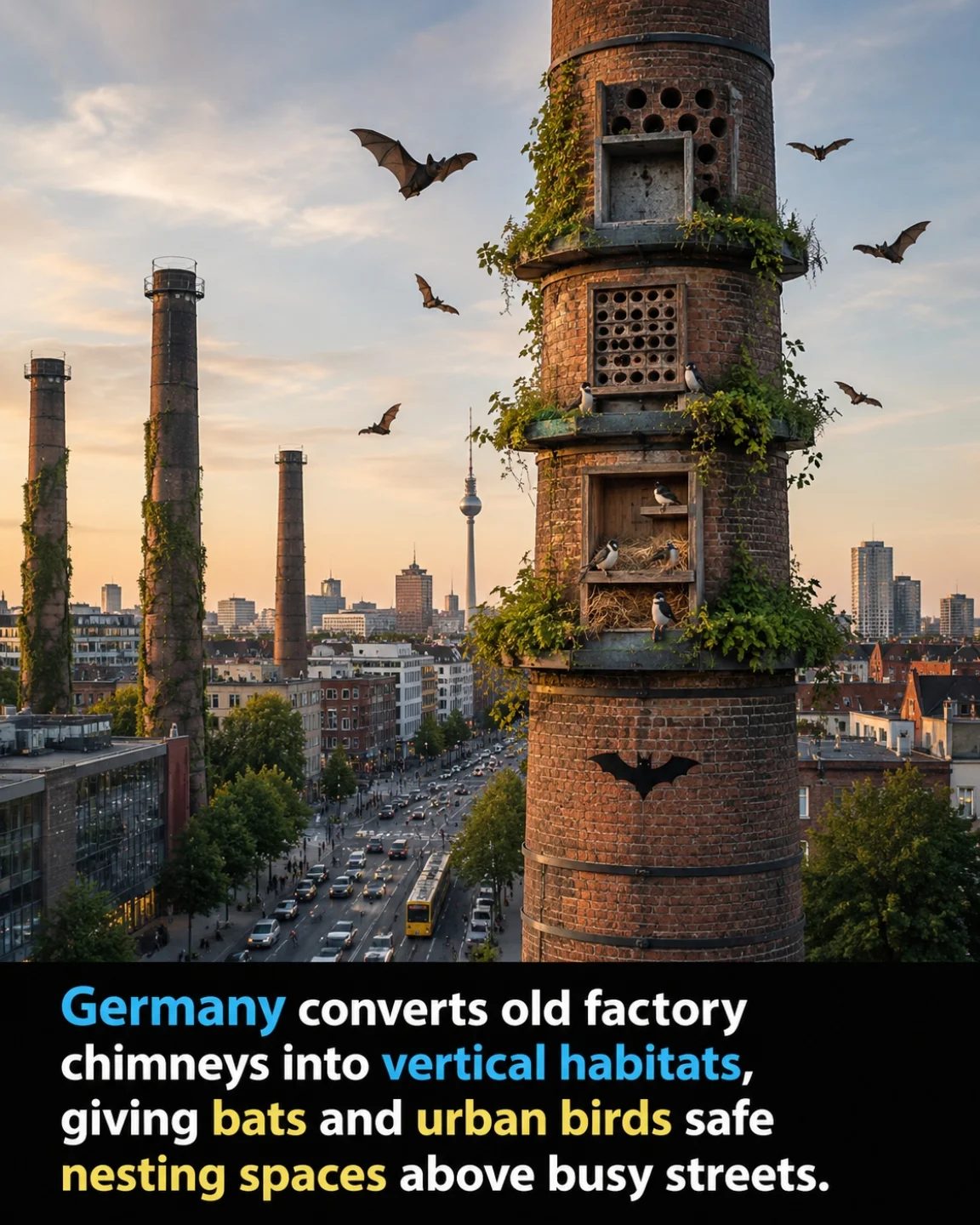
Old factory chimneys, once symbols of industrial prowess, are now being repurposed into unique urban habitats for bats and birds. This initiative, taking place in Germany, showcases a creative approach to urban wildlife conservation and the reimagining of industrial structures.
Why This Matters
Urbanization often comes at the cost of natural habitats, forcing wildlife to adapt to smaller, less suitable environments. However, innovative urban planning and conservation efforts can mitigate these effects. Transforming old industrial structures into vertical habitats is one such initiative that not only helps maintain biodiversity within city limits but also embellishes the urban landscape with greenery, fostering a more harmonious relationship between humans and wildlife.
The Transformation of Factory Chimneys
From Industrial Relics to Wildlife Sanctuaries
Old factory chimneys, once integral to industrial infrastructure, are now being converted into vertical habitats. This transformation is not just about repurposing old structures; it's about creating safe nesting spaces for bats and urban birds above the bustling city streets. These chimneys, covered in lush greenery, provide a much-needed refuge for wildlife amidst the urban jungle.
The Role of Greenery
The addition of greenery to these chimneys is a critical aspect of the transformation. Plants not only make the structures aesthetically pleasing but also provide food and shelter for various species. This vertical greening not only supports wildlife but also helps to improve air quality and reduce the urban heat island effect, making cities more livable for both humans and animals.
Repurposing Industrial Structures
Reducing Waste and Creating Habitat
Repurposing old industrial structures into wildlife habitats has several benefits. Firstly, it minimizes waste by giving new life to structures that might otherwise be demolished. Secondly, it creates a unique urban ecosystem that supports biodiversity. This initiative is a testament to human ingenuity and a commitment to sustainable urban development.
Germany's Pioneering Efforts
Germany’s efforts in repurposing industrial structures highlight a broader trend in urban conservation. By converting old factory chimneys into vertical habitats, Germany is setting an example for other cities. This initiative showcases how urban planning can incorporate nature, fostering a more sustainable and biodiverse urban environment.
Practical Tips for Urban Wildlife Conservation
Identify Potential Sites
Identifying potential sites for urban wildlife habitats is the first step. Old industrial structures, abandoned buildings, and even underutilized green spaces can be transformed into wildlife habitats. It's essential to select sites that are safe for both wildlife and humans, providing the necessary conditions for various species.
Engage the Community
Community engagement is crucial for the success of urban wildlife conservation projects. Encouraging local residents to participate in planting and maintaining green spaces can foster a sense of ownership and responsibility towards these habitats. Regular community workshops and volunteer programs can help build a community that is invested in preserving urban biodiversity.
Incorporate Green Infrastructure
Integrating green infrastructure into urban planning is essential. Rooftop gardens, vertical walls, and green corridors can create vital habitats for wildlife. These structures not only provide space for wildlife but also help mitigate the adverse effects of urbanization, such as pollution and heat islands.
Important Takeaways
Urban Wildlife Conservation is Essential
Urban wildlife conservation is not just about preserving biodiversity; it's about creating a more livable and sustainable urban environment. By integrating nature into urban planning, cities can become more resilient and environmentally friendly.
Innovative Solutions are Key
Innovative urban planning solutions can pave the way for successful wildlife conservation. The transformation of old factory chimneys into vertical habitats is a prime example of how creative thinking can be applied to urban challenges.
Community Involvement is Vital
Engaging the community in conservation efforts can lead to more successful and sustainable outcomes. Local residents can play a significant role in maintaining and protecting urban wildlife habitats, fostering a sense of stewardship and environmental responsibility.
Conclusion
The transformation of old factory chimneys into vertical habitats in Germany underscores the potential for urban wildlife conservation. By repurposing industrial structures and integrating greenery into urban landscapes, cities can create a more harmonious coexistence between humans and wildlife. This initiative not only supports biodiversity but also enhances the urban environment, making it more livable and sustainable for all. Through innovative urban planning and community engagement, similar initiatives can be implemented worldwide, fostering a greener and more biodiverse future for urban areas.
Watch the Reel
Questions readers ask
Why are old factory chimneys being transformed in Germany?
Old factory chimneys in Germany are being transformed to address the loss of natural habitats due to urbanization. By repurposing these structures, Germany aims to create safe urban habitats for bats and birds, fostering a harmonious relationship between wildlife and urban life.
What kinds of wildlife benefit from these vertical habitats?
The primary beneficiaries of these vertical habitats are bats and birds. These structures provide crucial nesting and roosting spaces, helping these species thrive in urban environments.
How do these transformations help urban planning in Germany?
The transformation of old chimneys into green sanctuaries enhances urban aesthetics by adding greenery to the landscape. Additionally, these initiatives serve as models for sustainable urban development, demonstrating how to mitigate the impact of urbanization on local ecosystems.
What are some of the challenges of creating urban wildlife habitats in former industrial sites?
Challenges include ensuring the safety and stability of the transformed structures, as well as managing potential conflicts between wildlife and human activities. Proper planning and community engagement are crucial for successful integration of wildlife habitats in urban settings.
Are there other examples of repurposing industrial structures for wildlife elsewhere?
Yes, similar initiatives exist in other countries. For instance, old silos and industrial buildings have been repurposed into habitats for various species, showcasing a global trend towards creative urban wildlife conservation.
How can communities support these urban wildlife initiatives?
Communities can support these initiatives by advocating for sustainable urban planning, participating in local conservation efforts, and raising awareness about the benefits of coexisting with urban wildlife. Encouraging local governments to invest in such projects is also key.
Related deep dives
Similar reads based on topic and creator.


Recent articles
Fresh deep dives from the latest Reels we unpacked.




Comments
Be the first to comment.