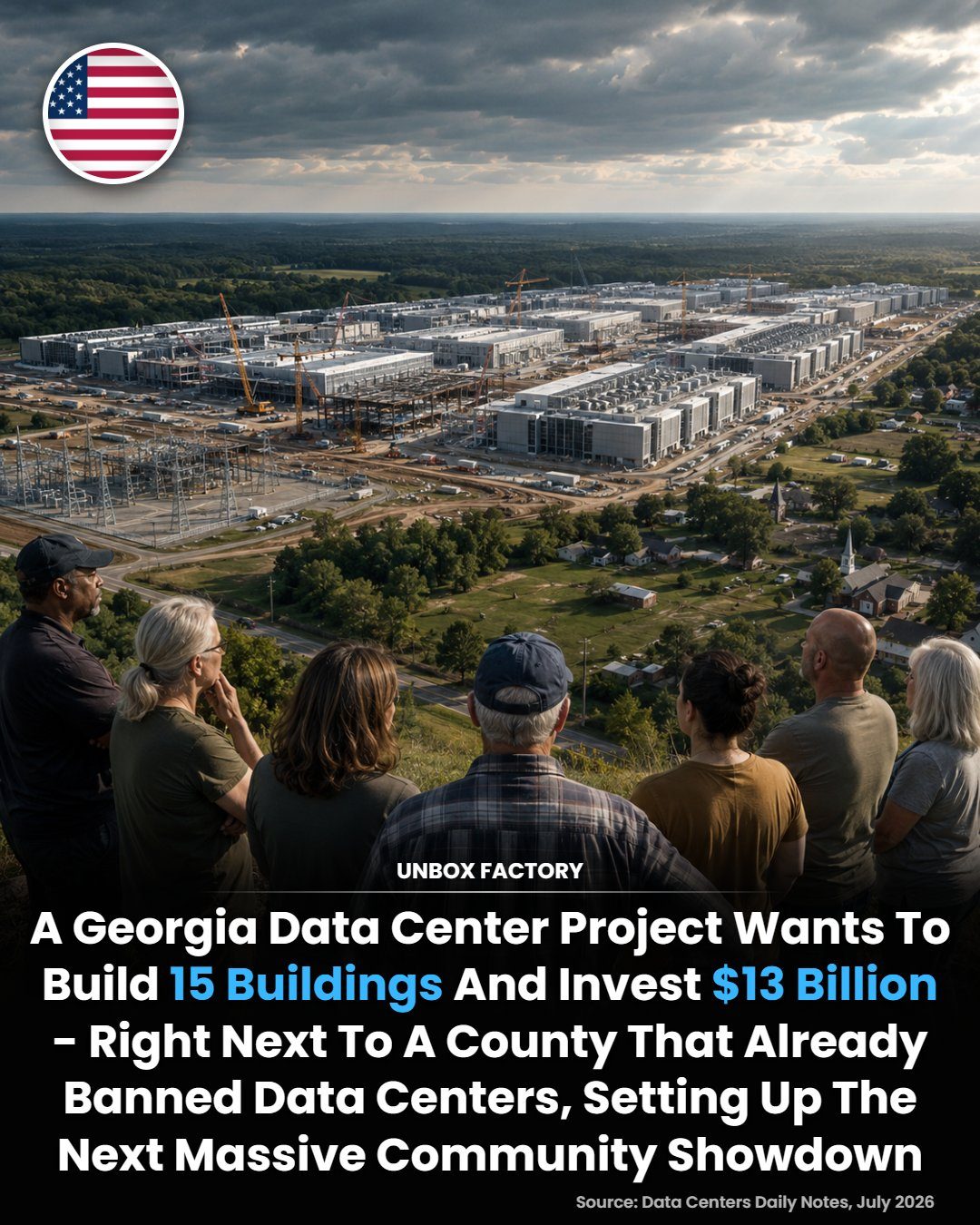
A $13 Billion AI Data Center Campus in Georgia Sparks Debate
The proposed construction of an AI data center campus in Georgia, aiming to build 15 buildings with an investment of $13 billion, has sparked a significant debate. This project is not just about infrastructure; it's about the future of the region and the balance between economic growth and community sustainability.
Why This Matters
The data center campus, announced by developers, is located near a county that has already banned similar developments. This proximity sets the stage for a contentious community showdown. The proposed project is poised to become one of the largest community debates over AI infrastructure in the southeastern United States. The stakes are high, with supporters touting the economic benefits and opponents raising concerns about the environmental and infrastructural impacts.
The Project's Scope and Controversy
The data center campus, planned for 15 separate buildings, represents a significant investment of $13 billion. This massive infrastructure project aims to not only boost the region's economy but also position Georgia as a hub for artificial intelligence and data analytics. However, the project is fraught with controversy due to its location. The county adjacent to the proposed site has already banned similar developments, citing various concerns.
The Economic Benefits
Supporters of the data center project point to the billions of dollars in investment and the potential for new jobs. Such a massive infrastructure investment could stimulate local economic growth and attract further business opportunities. The data center could become a cornerstone for Georgia's technology sector, drawing in tech companies and startups.
The Concerns of Opponents
Opponents, however, have several key concerns. These include:
- Electricity Demand: Data centers require immense amounts of electricity to operate, which could strain the local power grid and potentially lead to higher electricity costs for residents.
- Water Consumption: Cooling these data centers requires significant amounts of water, adding pressure to the local water supply.
- Environmental Impacts: The construction and operation of such a large-scale project could lead to environmental degradation, including deforestation and pollution.
- Infrastuctural Pressure: The long-term pressure on local infrastructure, such as roads, public services, and utilities, is another significant concern for opponents.
Delving Deeper into the Debate
The debate around this project highlights the growing divide between economic development and community sustainability. While economic growth is often seen as a positive, the long-term sustainability of the community is just as crucial. The project raises questions about how to balance these two priorities.
Economic Development vs. Sustainability
Economic development is often a driving force behind large-scale infrastructure projects. These projects can bring in jobs, stimulate local economies, and attract further investment. However, the environmental and infrastructural impacts of such projects cannot be overlooked. The debate in Georgia underscores the need for a balanced approach that considers both economic and environmental aspects.
Community Engagement
Community engagement is vital in such projects. Engaging with local residents, addressing their concerns, and incorporating their feedback can help build consensus and support. This is especially important in a project of this scale, where the impacts can be far-reaching.
Practical Tips for Stakeholders
For Developers
Developers should adopt a transparent and inclusive approach. This includes:
- Engaging with local communities to understand and address their concerns.
- Conducting comprehensive environmental impact assessments.
- Developing a detailed plan for managing electricity and water demands.
- Ensuring that the project aligns with long-term community sustainability goals.
For Local Communities
Local communities should:
- Stay informed about the project's details and potential impacts.
- Engage in dialogue with developers and policymakers.
- Voice their concerns and advocate for their community's best interests.
- Support initiatives that promote sustainable development.
Important Takeaways
This project is a microcosm of a broader global debate: how to balance economic development with sustainability. The lessons from Georgia can inform similar projects around the world.
- Transparency and Inclusivity: Engaging with the community and addressing concerns openly can mitigate opposition.
- Sustainable Practices: Prioritizing sustainable practices from the outset can prevent long-term issues.
- Comprehensive Planning: A detailed plan that considers all potential impacts can help ensure the project's success.
Conclusion
The proposed AI data center campus in Georgia is more than just a construction project; it is a test case for balancing economic development with community sustainability. As the debate unfolds, it will provide valuable insights into how such projects can be managed in the future. The outcomes will shape not just the future of Georgia but also serve as a blueprint for similar projects globally.
Watch the Reel
Questions readers ask
What is the scale of the proposed AI data center campus in Georgia?
The proposed AI data center campus in Georgia plans to construct 15 buildings with a substantial investment of $13 billion. This makes it one of the largest AI infrastructure projects in the southeastern United States.
What are the primary benefits touted by supporters of the Georgia data center project?
Supporters of the Georgia data center project highlight the potential for significant economic growth and job creation. Advocates argue that the project will bring in new opportunities and stimulate the local economy.
What concerns have been raised by local communities regarding the Georgia AI data center?
Local communities have expressed concerns about the environmental impact, the strain on local infrastructure, and the increased demand for electricity. These concerns have sparked a contentious debate within the community.
What is the significance of the nearby county's ban on similar developments?
The proximity of the proposed data center to a county that has already banned similar developments adds a layer of complexity to the debate. It sets the stage for a community showdown and underscores the divisive nature of the issue.
What are the next steps in the Georgia data center project?
The next steps involve addressing community concerns, navigating local regulations, and potentially modifying the project to mitigate environmental and infrastructure impacts. Public hearings and community meetings will likely play a crucial role in determining the project's future.
How might the Georgia data center project impact the local county?
The data center project could significantly impact the local county through increased economic activity and job opportunities. However, it also poses challenges related to infrastructure strain, environmental changes, and electricity consumption, which could affect daily life for residents.
What is the construction timeline for the Georgia data center campus?
The construction timeline for the Georgia data center campus has not been officially disclosed. However, given the scale and complexity of the project, it is likely to span several years. Keep an eye on daily notes and official announcements for updates on the project's progress.
Related deep dives
Similar reads based on topic and creator.




Recent articles
Fresh deep dives from the latest Reels we unpacked.




Comments
Be the first to comment.