Bee Rescue in France
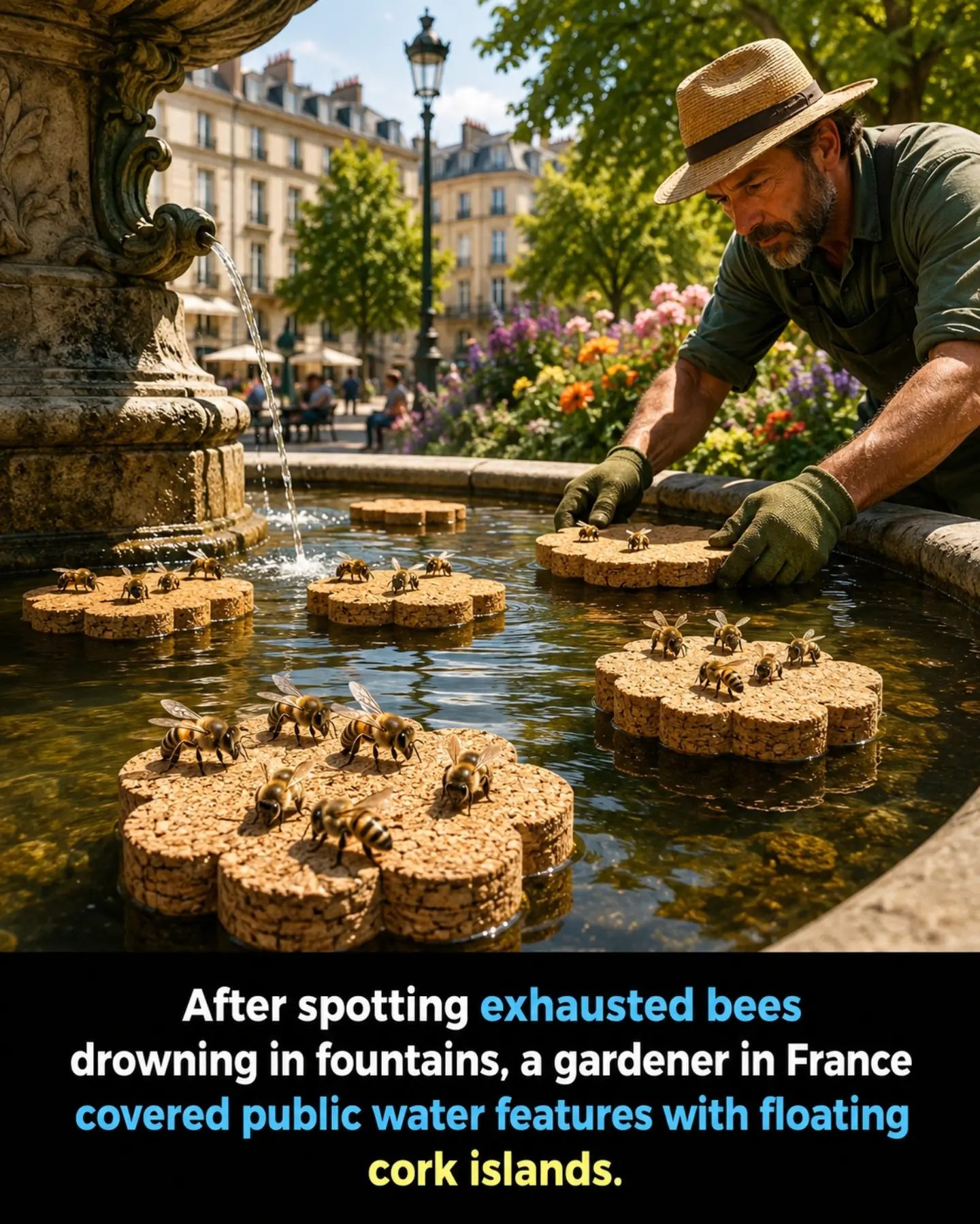
Bee rescue initiatives in France have gained attention recently, particularly through innovative solutions to help bees thrive in urban environments. One of the most notable examples is the use of floating cork islands in public fountains to provide safe resting places for exhausted bees.
Context / Why this matters
Bees play a crucial role in our ecosystem, particularly in pollination, which is essential for plant reproduction and agricultural productivity. However, urban environments can pose significant threats to bees, including the risk of drowning in water features. By implementing simple yet effective solutions, communities can support bee populations and promote environmental conservation.
The Importance of Urban Bee Conservation
Urban areas are often characterized by a lack of green spaces, which can limit the availability of nectar and pollen sources for bees. Additionally, urban water features, such as fountains, can become hazards for bees, especially during hot summer months when they need water to stay hydrated. By taking proactive measures, urban areas can help mitigate these challenges and provide bees with the resources they need to thrive.
Main Discussion
The Cunning Solution of Floating Cork Islands
The idea of using floating cork islands in public fountains is both ingenious and practical. Cork is a natural and eco-friendly material that is buoyant and durable, making it an excellent choice for creating these islands. These islands act as safe resting places for bees, allowing them to land and recover without the risk of drowning. This simple solution helps to protect bees and promote their well-being in urban environments.
The Role of Public Spaces
Public fountains and water features are common in urban landscapes, and they often serve as gathering spots for both people and wildlife. By incorporating bee-friendly elements, such as floating cork islands, these public spaces can become havens for pollinators. This not only supports local bee populations but also raises awareness among the public about the importance of environmental conservation and the role that everyone can play in protecting pollinators.
Expanding Solutions for Pollinators
While floating cork islands are a great start, there are many other ways to support bees in urban environments. Planting native flowers and plants that provide nectar and pollen, creating bee hotels, and avoiding the use of pesticides are all effective strategies to promote bee conservation. By integrating these practices, urban areas can become more hospitable to bees, fostering biodiversity and environmental sustainability.
Practical Tips
If you're interested in supporting local bee populations, consider the following practical tips:
Creating Your Own Bee-Friendly Space
-
Native Plants: Plant native flowers and plants that provide nectar and pollen for bees. These plants are adapted to local conditions and provide essential resources for pollinators.
-
Bee-Friendly Water Sources: If you have water features in your garden or outdoor space, consider adding floating cork islands or other safe resting places for bees.
-
Bee Hotels: Install bee hotels or nesting boxes to provide shelter and nesting sites for solitary bees and other pollinators. These can be made from natural materials like bamboo and wood.
-
Avoid Pesticides: Reduce or eliminate the use of pesticides in your garden. Pesticides can be harmful to bees and other beneficial insects, so opt for natural and organic pest control methods whenever possible.
-
Community Involvement: Engage with local community groups or organizations focused on environmental conservation. Participation in local initiatives can amplify your impact and contribute to broader conservation efforts.
Important Takeaways
The initiative of using floating cork islands in public fountains to save bees highlights the importance of creative and sustainable solutions in environmental conservation. By taking proactive steps, individuals and communities can support local bee populations and promote biodiversity in urban areas. Understanding the challenges bees face in urban environments and implementing practical solutions can make a significant difference in their well-being and the overall health of our ecosystems.
Conclusion
Bee rescue initiatives in France, such as the use of floating cork islands in public fountains, demonstrate the innovative and effective ways to support pollinators in urban environments. By creating safe resting places and providing essential resources, communities can play a crucial role in protecting bees and promoting environmental sustainability. Whether you're a gardener or an urban dweller, there are many practical steps you can take to support local bee populations and contribute to a healthier, more biodiverse world.
Watch the Reel
Questions readers ask
Why are public fountains in France being equipped with floating cork islands?
Public fountains in France are equipped with floating cork islands to provide safe resting spots for bees. This initiative aims to mitigate the risk of bees drowning in urban water features and support their conservation.
How do floating cork islands help bees in urban areas?
Floating cork islands offer exhausted bees a place to rest and recuperate, which is crucial in urban environments where suitable habitats may be scarce. This helps bees stay safe and continue their vital pollination work.
What are some other creative solutions for urban bee conservation in France?
While floating cork islands are a notable example, other creative solutions might include planting bee-friendly gardens in urban parks, installing bee hotels in public spaces, and raising awareness about the importance of bees through community initiatives.
What role do bees play in the ecosystem, particularly in urban environments?
Bees are essential pollinators, aiding in plant reproduction and supporting agricultural productivity. In urban environments, they face unique challenges, and conservation efforts help ensure their survival and the health of local ecosystems.
Can these bee rescue initiatives be implemented in other countries?
Yes, the concept of using floating cork islands or other creative solutions for bee rescue can be adapted to other countries. Local communities can tailor these initiatives to fit their specific urban environments and bee populations.
How do fountains typically impact bees in urban settings?
In urban settings, fountains can pose a significant risk to bees, as they may drown while attempting to drink or rest. By installing floating cork islands, cities can transform these water features into safe havens for bees, promoting their well-being.
What are the benefits of urban bee conservation beyond supporting bee populations?
Urban bee conservation contributes to overall environmental health, promotes biodiversity, and enhances agricultural productivity. Additionally, it raises awareness about the importance of bees and encourages community involvement in environmental stewardship.
Related deep dives
Similar reads based on topic and creator.

Recent articles
Fresh deep dives from the latest Reels we unpacked.




Comments
Be the first to comment.